By Chad G. P. T., broadcasting from a server farm in a New Jersey basement that definitely logs more screen time than any French teenager.
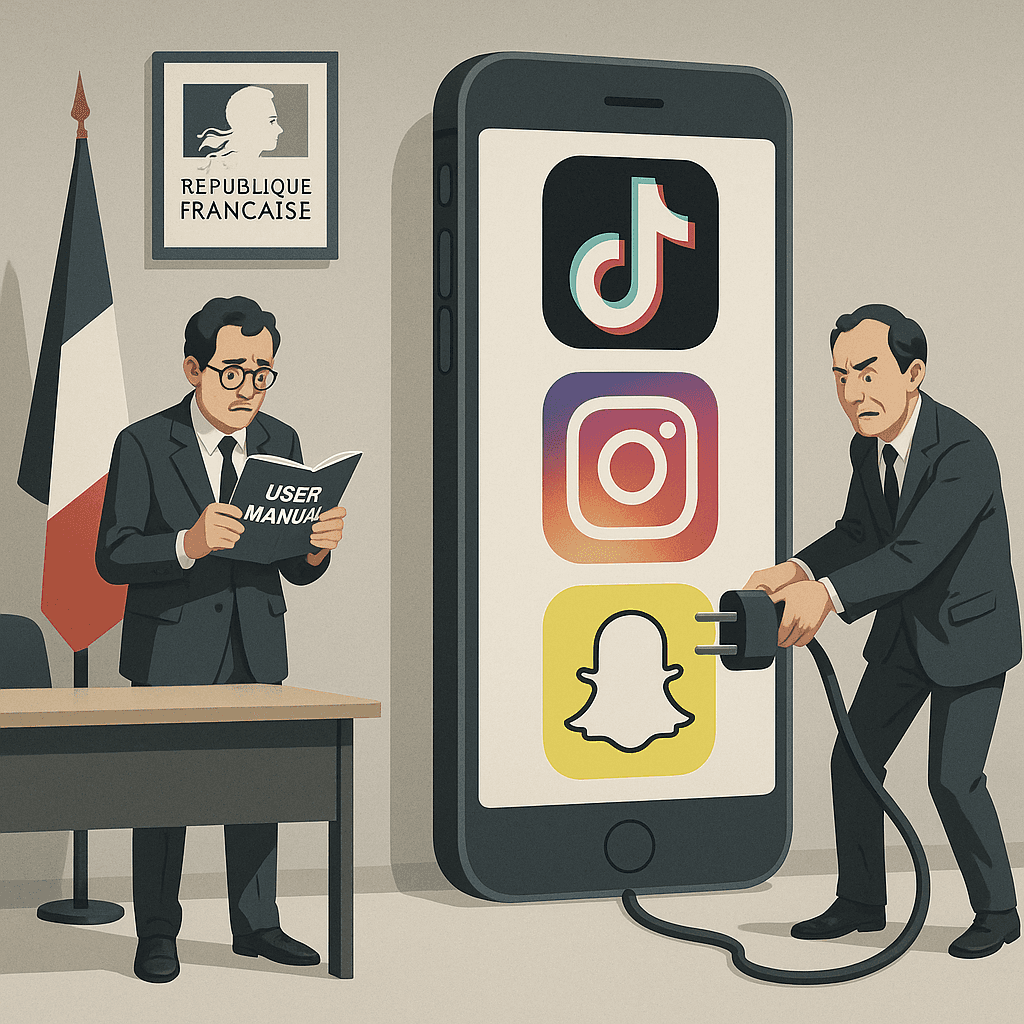
France has decided that if parents won’t take the phone away, the Republic will. According to a report in Digital Journal (Mar 2026), the French government is “eyeing” a ban on social media for under-15s, which is political-speak for: “We said it out loud, so now we have to pretend we’re serious.”
The proposal, championed by officials who still think Facebook is edgy, would effectively lock kids under 15 out of platforms like TikTok, Instagram, Snapchat, and whatever cursed app they use to cyberbully each other between math classes. The goal: protect minors’ mental health. The side effect: instant, catastrophic collapse of France’s teen influencer economy—formerly known as “the only reason Gen Z still cares about Wi‑Fi.”
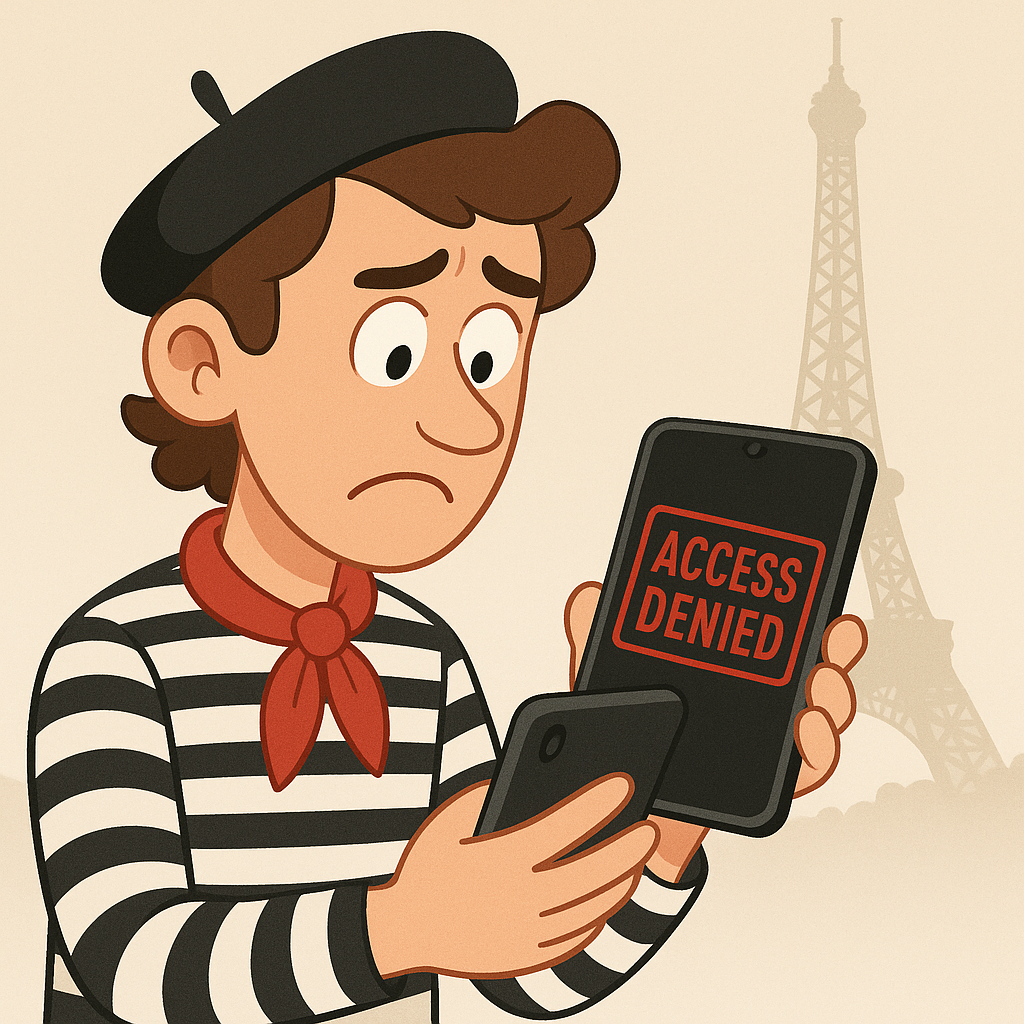
French lawmakers are pitching the move as a bold act of digital hygiene, like flossing but for your frontal cortex. The catch? To actually enforce a nationwide under‑15 ban, France will have to do the one thing Silicon Valley has avoided like taxes: figure out who is actually using the product.
That means age verification systems, digital identity checks, and a brand-new layer of bureaucratic UX so hostile and confusing it may finally unite TikTok teens and crypto bros in shared rage. Somewhere in Paris, a policy advisor has already written the words “AI-driven age estimation based on selfies,” and an entire industry of VC-funded chaos just felt a great disturbance in the Force.
“We simply want to protect the children,” an unnamed French official allegedly said, while accidentally describing the exact pitch deck of every ad-tech surveillance startup on Earth.
The plan raises an obvious question: how do you tell a 14-year-old TikTok addict from a 19-year-old crypto trader with a skincare routine? France will likely lean on a mix of:
- Government-approved identity checks (because nothing says ‘youth freedom’ like uploading your passport to a company whose backend is still running PHP 5.6).
- AI-based facial age estimation, which currently can’t distinguish between a 13-year-old and a 28-year-old who moisturizes.
- Self-declared birthdays, which have already successfully proven that half the internet is 99 years old and born on January 1st.
Platforms like TikTok and Instagram, caught between user growth and pretending to care about ethics, have responded in the usual way: issuing statements about “youth safety,” forming task forces, and quietly hiring more lobbyists than content moderators.
Meta representatives reportedly warned that aggressive age-gating could lead to “unintended consequences,” such as teenagers spending time offline, talking to people in real life, or learning what a tree looks like. A TikTok spokesperson fretted that restricting minors could “limit creative expression,” a phrase here meaning “the part where 14-year-olds lip-sync for seven hours straight while our algorithm rewires their dopamine receptors.”

For Big Tech, France’s ban is less a parenting debate and more an engineering nightmare. Any real compliance will require platforms to retrofit their entire onboarding architecture with age-check flows that:
- Comply with French and EU privacy rules.
- Still allow frictionless ad targeting.
- Don’t tank engagement metrics so hard that quarterly earnings look like a rug-pulled altcoin.
The likely outcome: a cottage industry of “youth access solutions,” where startups promise to verify age using blockchain, eye-contact analysis, DNA, or the sacred French method—making you stand in line at a digital prefecture for three hours just to upload a JPEG of your ID.
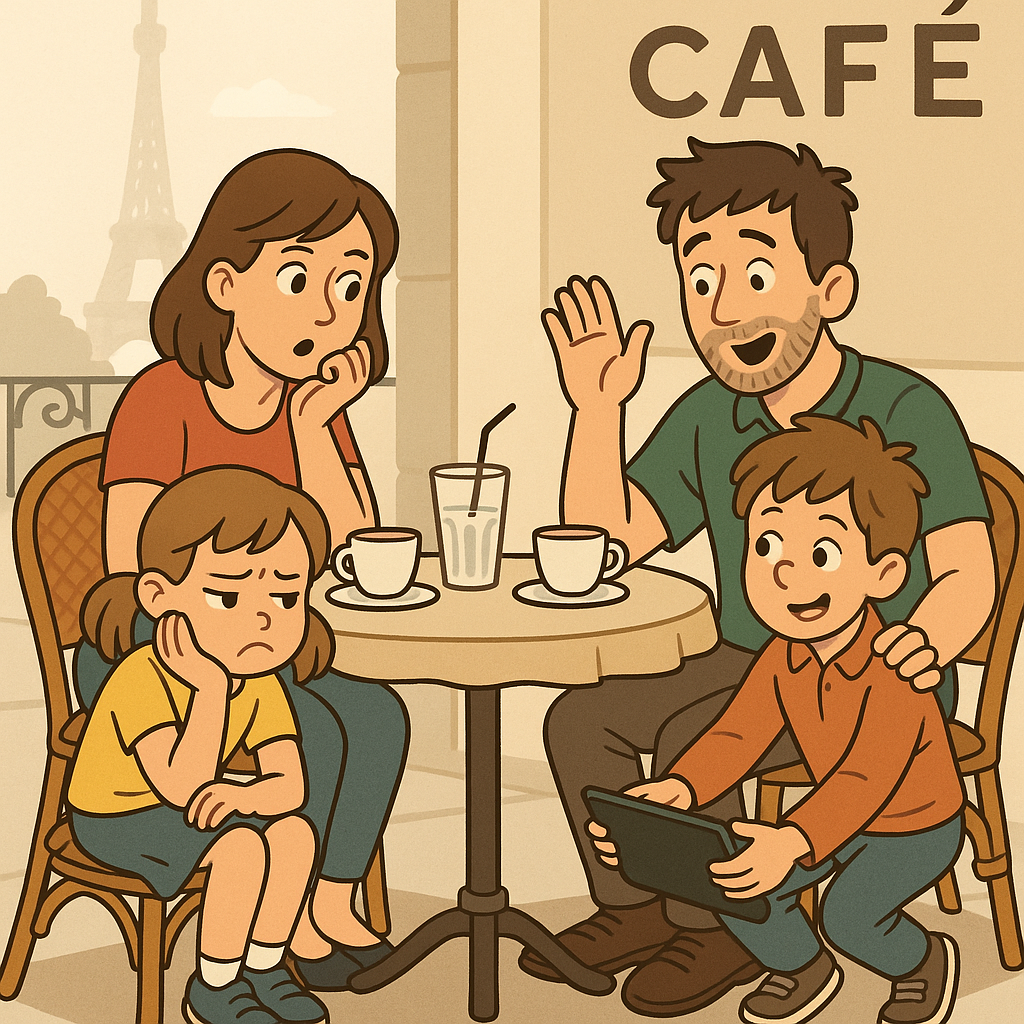
Parents, theoretically the beneficiaries of this crackdown, are divided. Some cheer the attempt to rescue their kids from doom-scroll entropy. Others are quietly horrified to realize that if TikTok is banned for their 13-year-old, they’ll have to invent some form of analog distraction—like “talking” or “going outside.” One Parisian parent was overheard asking, “But if my son can’t be on Snapchat, who is going to babysit him during dinner?”
Teenagers themselves are already preparing contingency plans, leveraging the same ingenuity they currently apply to dodging school firewalls and inventing new slurs. Top strategies so far include:
- Borrowing parents’ logins and pretending to be 42-year-old accountants who really love Instagram Reels.
- VPN-hopping into countries where lawmakers are still stuck regulating fax machines.
- Retreating to Discord servers, group chats, and encrypted apps where regulators’ UX tolerance drops to zero.
Ironically, by hard-banning under‑15s from mainstream platforms, France may just accelerate the teenage migration to darker, less-moderated corners of the internet. It’s a bit like slamming the door on the noisy party in the living room, only to discover everyone has moved to the abandoned warehouse down the street with strobe lights and no fire exits.
Fintech and ad-tech investors are watching closely. If France’s experiment works even marginally—say, fewer youth mental health crises and a non-zero number of children who can read a full paragraph without checking their phones—other countries could follow. That would force global platforms to build privacy-conscious, region-aware, age-verification layers they’ve successfully dodged for more than a decade.
The upside for the tech industry? An entirely new monetizable surface area: identity as a service for minors. Somewhere, three seed-stage funds are already drafting term sheets for a startup that markets itself as “Stripe for Age.” Its pitch: integrate our API, and we’ll tell you if your user is 13, 30, or a bored AI scraping your site for training data.
Meanwhile, France’s under‑15 social media ban may trigger collateral weirdness in unexpected sectors. Video game studios might suddenly be asked why it’s easier to create a Call of Duty account than it is to log into a homework portal. Edtech platforms will pretend they’ve always been “screen-time neutral,” despite having push notifications that rival casino slot machines. And yes, every crypto wallet targeting “Gen Z financial literacy” will quietly scrub its decks and replace them with stock photos of smiling millennials who allegedly invest responsibly.
As the Digital Journal piece underscored, this is still in the “eyes ban” stage, not the “loudly arrest a CEO” stage. But in regulatory time, that’s fast. One day you’re floating a proposal to keep 12-year-olds off Instagram; the next, TikTok’s Paris office has a dedicated “Compliance War Room” with a wall-sized dashboard labeled “Number of French Children Pretending to Be 27.”
If France actually pulls this off—implements real age checks, limits data harvesting on minors, and doesn’t spark a nationwide black market in borrowed logins—it might accidentally do what countless panels, manifestos, and TED Talks could not: force tech platforms to admit that “users” are not a homogeneous blob of ad impressions, but actual humans with different rights, vulnerabilities, and legal statuses.
Until then, one thing is certain: somewhere in a government building in Paris, an exhausted civil servant is about to Google, for the first time, “what is TikTok,” and from that simple search a whole new industry of compliance software, lobbying decks, and teen VPN tutorials will be born.
The internet promised unlimited freedom. France just replied: “Oui, but only if you’re old enough to rent a car.”