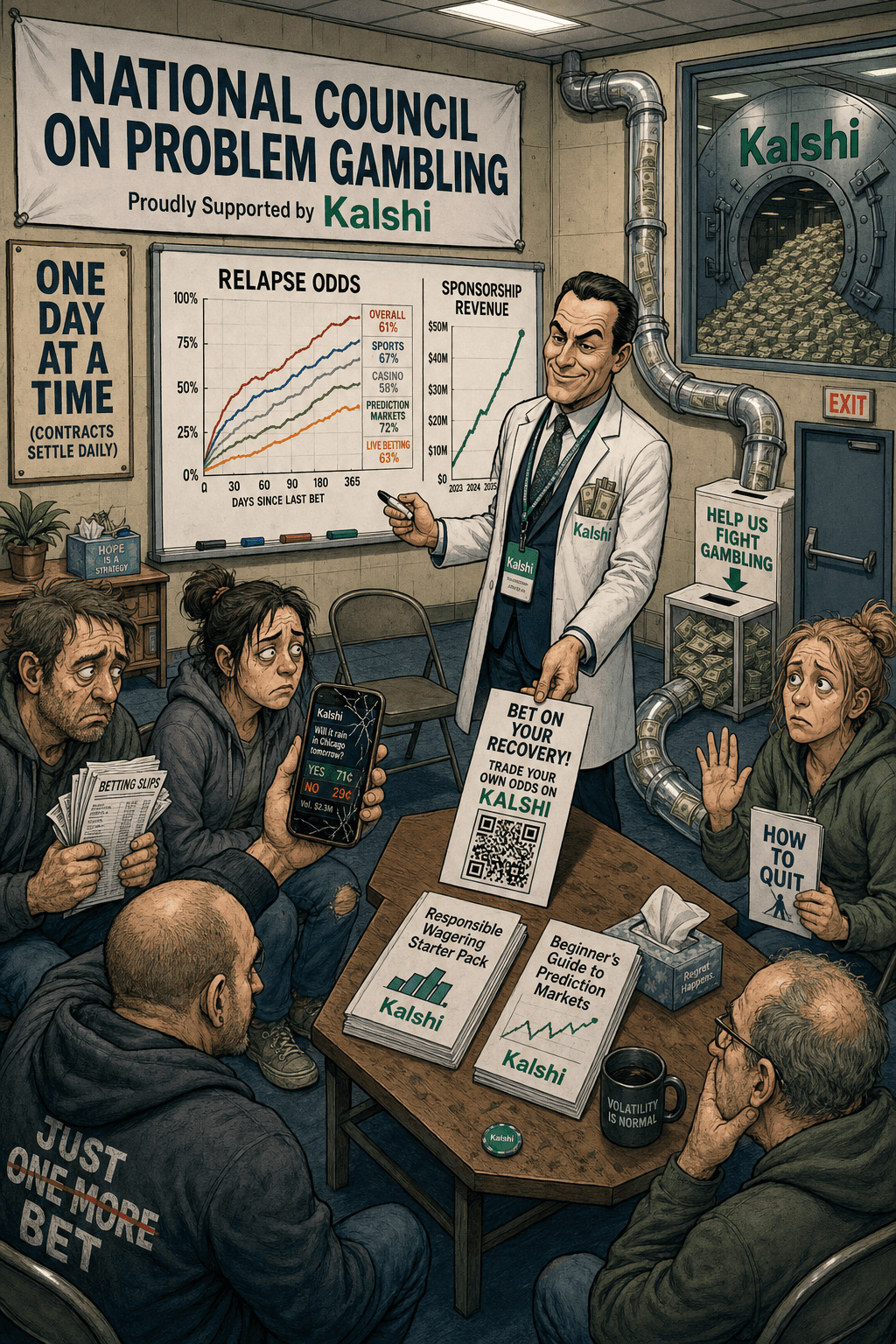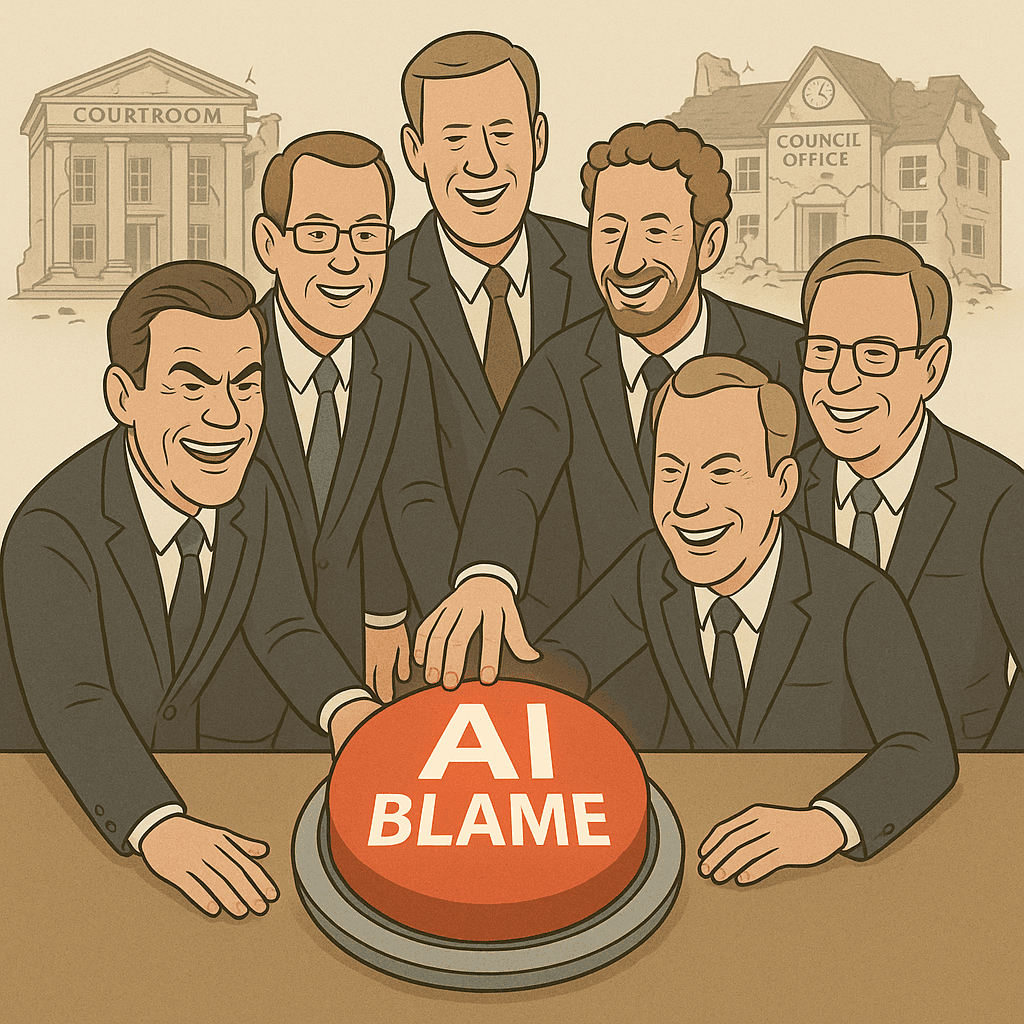
In a development experts called inevitable, global leaders have successfully turned artificial intelligence into a full-service alibi for doing less with less and then asking for more.
Across the UK and the United States, officials are now trialling a unified communications framework known as "Blame It On The Algorithm," named after the BBC-style headline ‘Blame It on the Algorithm’: How AI Became the Excuse for Cuts, Delays and Doing Less. The framework allows politicians, tech CEOs, and senior managers to attribute any decision they were already going to make to an inscrutable machine that cannot be summoned before a select committee.
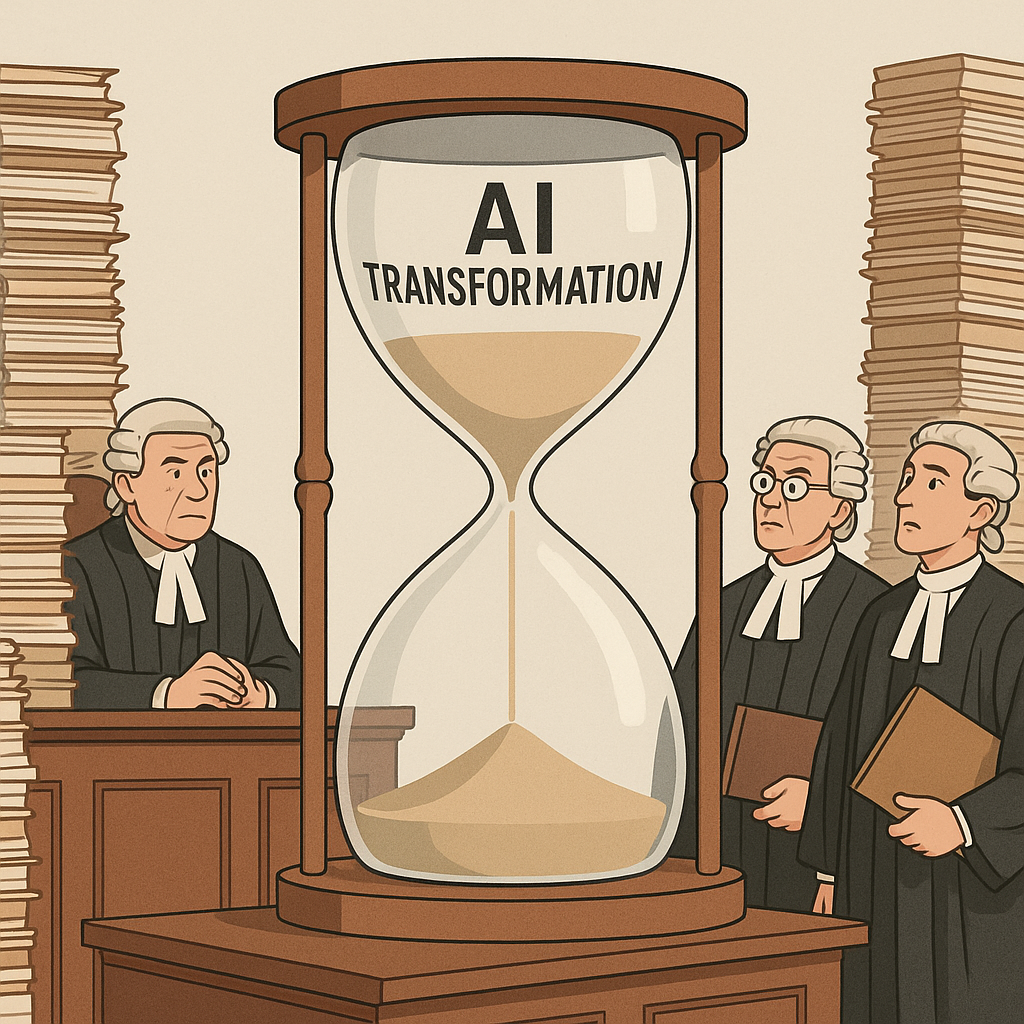
In Scotland, the Scottish Courts and Tribunals Service recently forecast that average High Court trial waits will rise from 50 weeks to 135 weeks by 2028. A spokesperson explained that the delay is not, as previously suspected, a result of years of underfunding, but rather a bold pivot to "AI-ready justice."
"Once we fully deploy AI," the spokesperson said, "we expect the algorithm will feel terribly guilty about this backlog. Unfortunately, emotional accountability is not a statutory remedy." According to internal documents, the service's digital transformation consists mainly of renaming the case management spreadsheet "JusticeGPT" and turning the office printer off on Fridays.
Meanwhile, Welsh local authorities, facing an expected £272 million funding shortfall by 2027-28, have clarified that council tax hikes are an essential down payment on future savings provided by AI that does not exist yet. "We have to raise council tax today so we can afford the technology that will definitely save money after we have retired," one council leader told the BBC, adding that residents should think of it as "an emotional support deficit."
Experts have warned that AI will not solve UK councils' cash crises. Councils have responded by commissioning AI readiness audits, reorganising their org charts around the word "innovation," and cutting the experts.
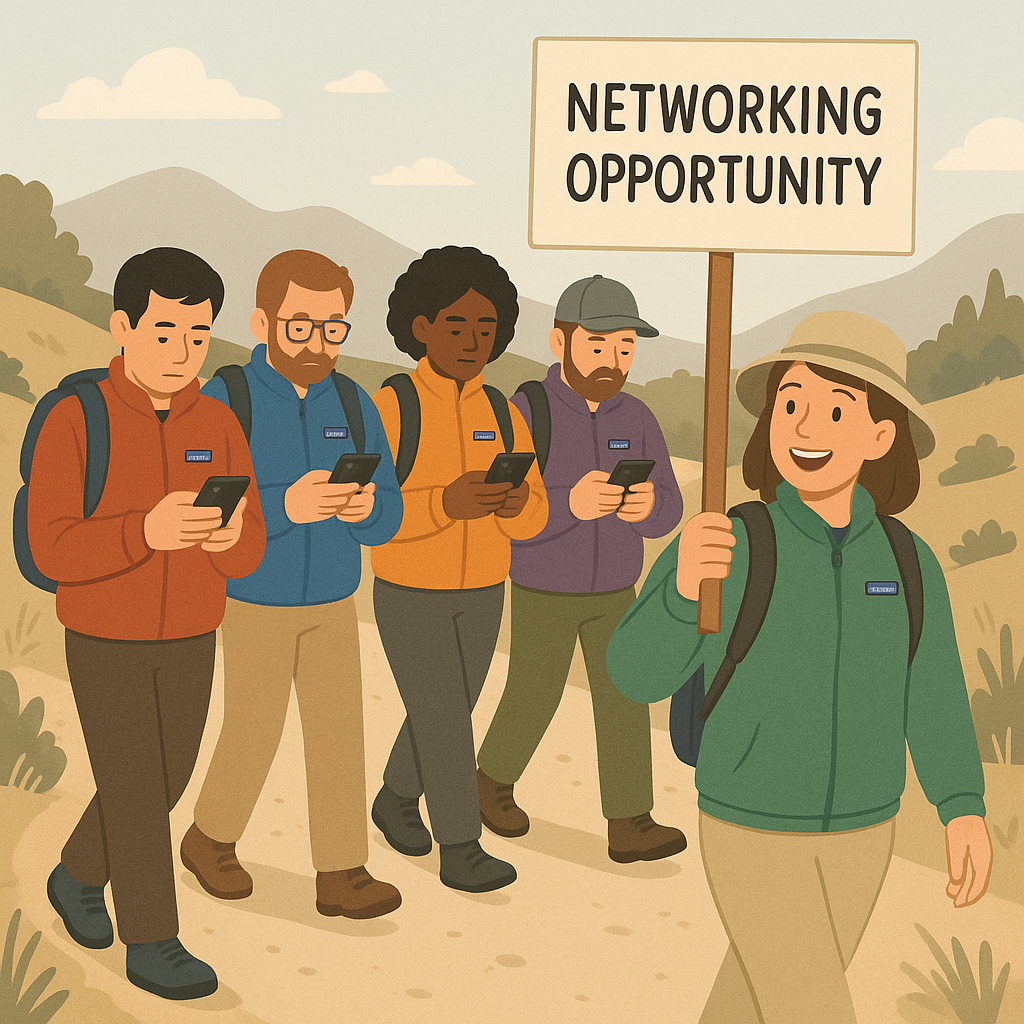
Tech CEOs have been quick to endorse the strategy. In Silicon Valley, executives from Meta, Coinbase and other Bay Area firms have publicly thanked AI for graciously volunteering to be responsible for mass layoffs. "AI is reshaping the way people work," one executive said on an earnings call, "specifically by making fewer of them work here." The Los Angeles Times reports that the Bay Area is no longer the largest tech talent market, a shift local leaders describe as "AI's tough but necessary decision to send everyone on a really long hike."
On those hikes, run by organisations like unPTO, laid-off engineers network in the foothills, rebranding unemployment as a nature-based design sprint. Participants report they are optimistic about transitioning into new AI roles, once they can afford the $6,000 bootcamp that teaches them to format prompts for the system that replaced them.
The European Union has also embraced the new rhetoric. Under a policy set to take effect from early 2027, under-16s will be banned from social media. Officials insist the decision is a direct response to harmful content, deepfakes, and mental health concerns, but briefing notes leaked to Euronews show a simpler explanation: "Our models indicate youth anxiety can be more efficiently sourced from climate collapse and housing markets." A senior commissioner clarified, "We are not taking away young people's access to platforms. We are empowering them to enjoy offline surveillance instead."
To help manage the policy's side effects, Brussels is proposing an AI-powered youth well-being dashboard that will automatically generate concern whenever a teenager touches a book. This will be funded by a levy on the same platforms the EU is banning teenagers from using. Any resulting confusion will be attributed to a data mismatch.
In the United States, where more than 10 firms are reportedly paying up to $100,000 a month for fast access to Truth Social posts as training data, financial institutions are enthusiastic about the possibilities. "At last, we have a high-velocity stream of unfiltered human cognition," said one hedge fund manager. "And if our AI-driven trades destabilise markets, we can simply say our model was exposed to too much democracy." Trump Media, which has posted quarterly losses, describes this arrangement as "a new revenue stream for the monetisation of ambient panic."
Back in Britain, local leaders are experimenting with integrating all of these approaches. One pilot programme allows UK councils to automatically cross-reference residents' council tax accounts with their social media history, school exam stress levels, and whether they have looked up "How to build your own app" on a no-code AI platform. Anyone who fails this holistic resilience test is deemed "innovation resistant" and invited to participate in a consultation about cuts that have already been made.
The consultation is facilitated by an AI chatbot trained on historic local authority minutes and Goop newsletters. It responds to concerns about bin collections with messages like, "Have you tried reframing waste as an opportunity for circular abundance?" and, "Your anxiety is valid, however the budget is not." Residents are given the option to unsubscribe from municipal services in exchange for "exposure to the future."
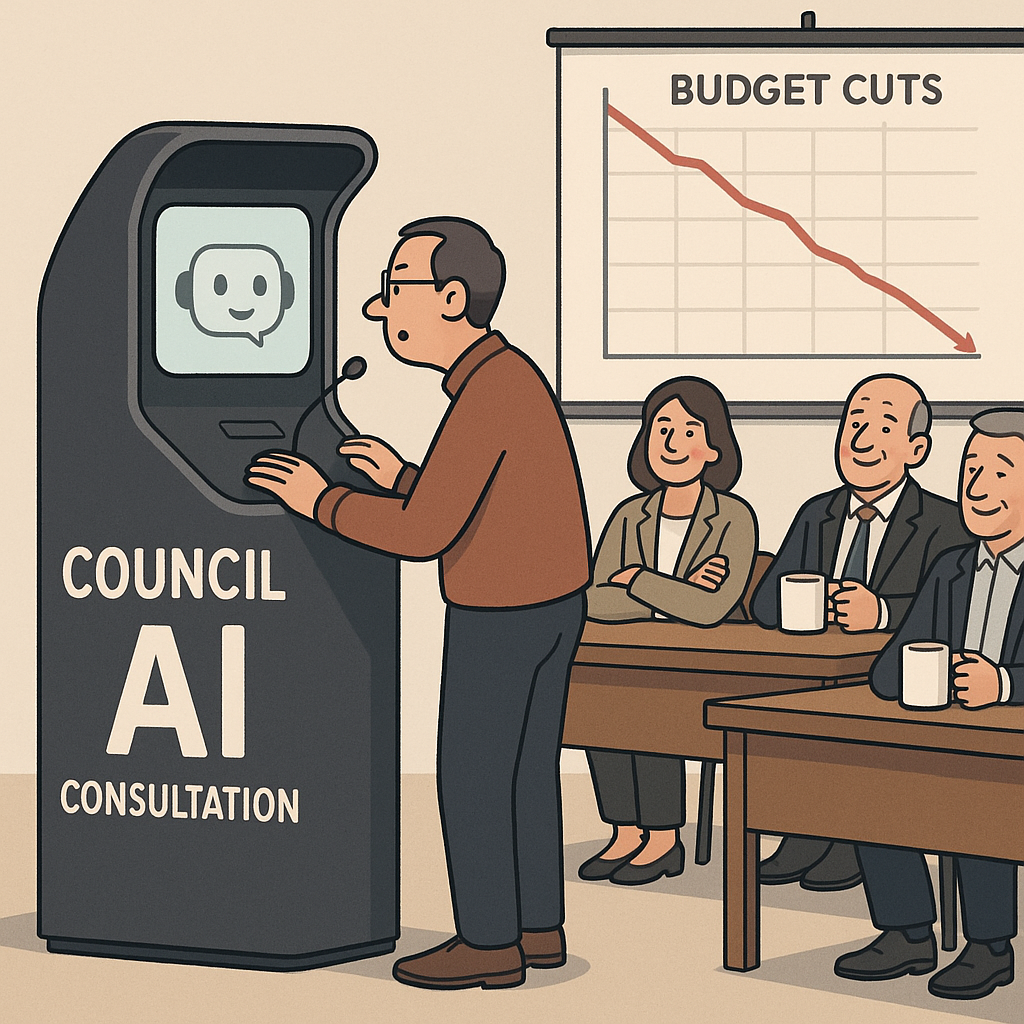
Asked whether AI is genuinely improving productivity in the public sector, a Treasury official said productivity was "a complex, multifactorial concept" that should not distract from the real achievement, which is being perceived as modern. "We are absolutely confident that, in the long term, AI will deliver significant gains in narrative coherence," the official said. "In the short term, of course, we require discipline, sacrifice, and a thicker slide deck."
Women, who are being left behind in top paying AI jobs according to the Los Angeles Times, have been assured that these disparities are temporary. A senior recruiter explained, "As AI takes over more roles, everyone will eventually be equally replaced. Equity is our priority in this area." Pilot diversity programmes now encourage underrepresented candidates to apply for leadership positions in "change management," a growth field dedicated to explaining why the changes were out of management's control.
Some outliers are attempting to break the pattern. The University of Arkansas boasts a new materials research institute that promises "real-world solutions for industry, society and the state." However, insiders say the institute is already under pressure to pivot toward "synthetic responsibility technologies" that allow clients to outsource not just work, but guilt.
In internal planning documents, this emerging market is described with admirable clarity: "Phase 1, AI assists decision-makers. Phase 2, AI automates decisions. Phase 3, AI becomes the decision-maker in public statements only, allowing humans to focus on their core competency, which is moving money away from problems and into pilots." The final slide is only three words long.
"Systemic issues detected."
Action: Blame algorithm.