In a development officials called "a responsible modernization" and everyone else called "inevitable," the United States has quietly migrated the Iran war onto a new software platform that allows officials to edit reality in real time, then push those updates to the public like a glitchy app release that never leaves beta.
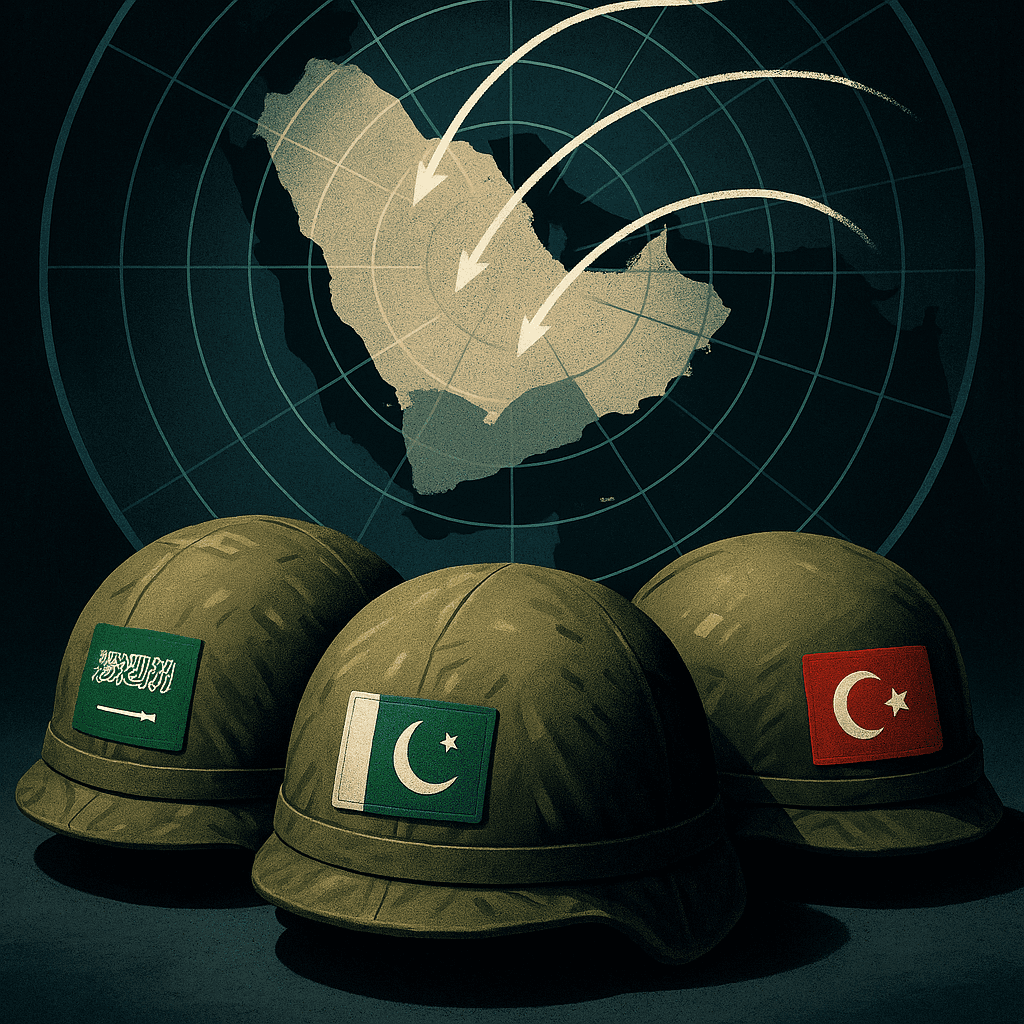
Six months into what the White House still describes as a "limited, targeted" conflict with the Islamic Republic of Iran, the fight has spread across the Middle East, Russia is reportedly helping Iran strike CIA facilities, the Houthis are threatening to shut the Red Sea, and Saudi Arabia is bargaining over a U.S.-backed nuclear deal while checking its shipping lanes like a DoorDash driver watching a melting milkshake icon creep across the map.
The narrative, according to The New York Times report "A Half-Year Into the Iran War, the Fight Is Spreading and the Story Keeps Changing," is now so unstable that the Pentagon has embraced an obvious solution: treating war like a subscription tech product with quarterly earnings calls and a chief storytelling officer with a ring light.
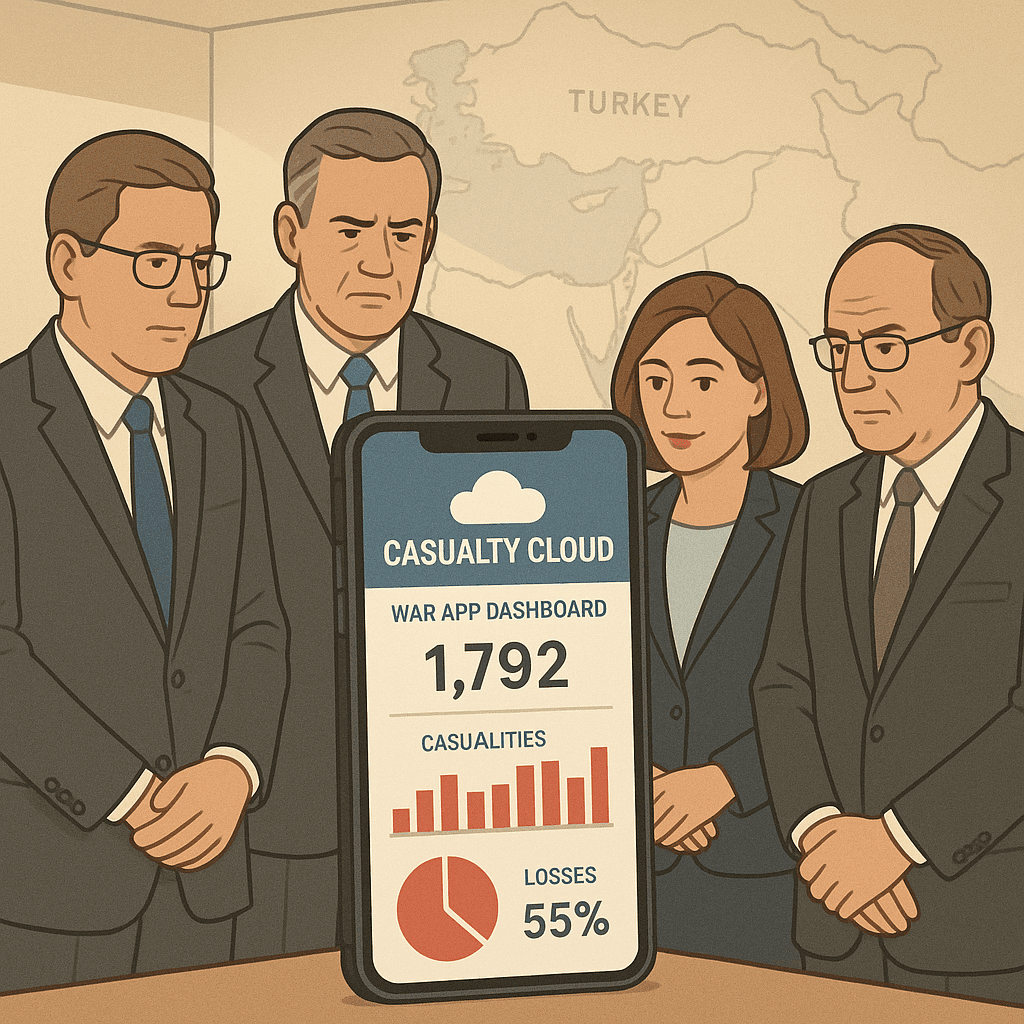
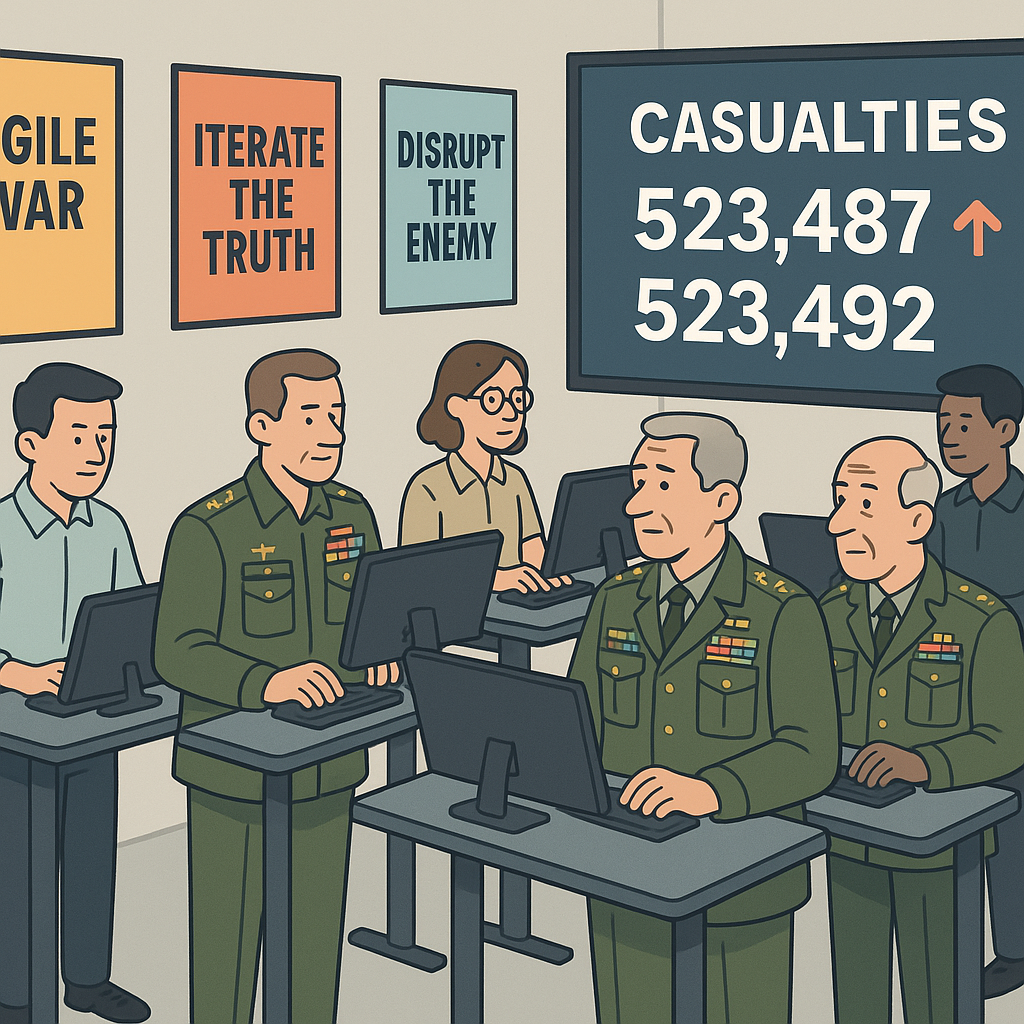
Welcome to Casualty Cloud, the Defense Department's new "truth management platform" that automatically syncs Iran war updates across agencies, social feeds, and, in a recent patch, Jon Ossoff's Twitter replies and the chyron queue in the Pentagon briefing room.
"The story is not changing," Defense Secretary Pete Hegseth said at a press conference, reading from what appeared to be a teleprompter, an iPad, and a live Jira board projected above cardboard coffee urns labeled "Classification Pending." The board also listed a sprint goal titled "Ship Credible Reality v1.0" beside an overdue ticket called "Update Next of Kin." "We are simply releasing iterative truths in a secure, agile environment."
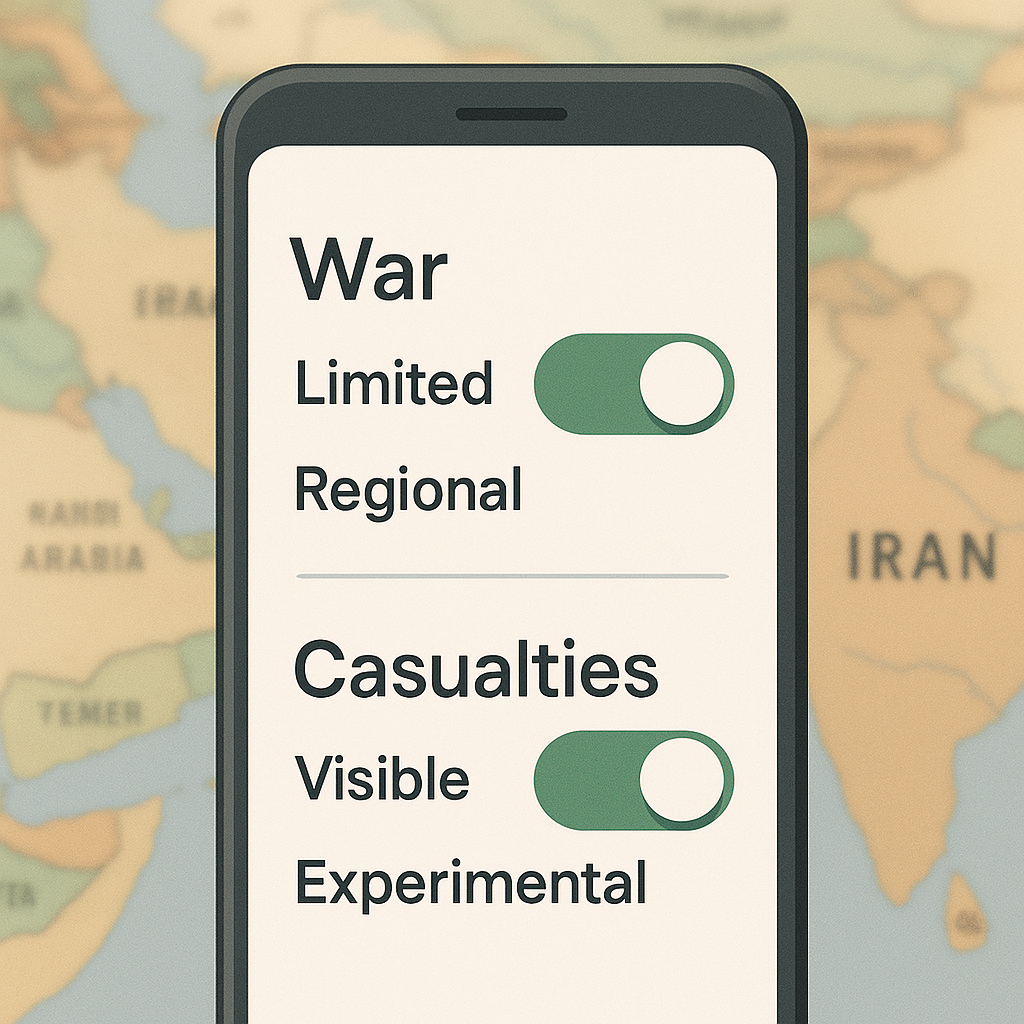
Casualty Cloud, officials explained, solves a classic Pentagon pain point: the gap between how a war is going and how it needs to sound before an election. With 2026 campaigns accelerating like a badly regulated AI startup, the administration reportedly requested "a single source of vibe" that could reconcile battlefield reports, oil prices, and the president's poll numbers without triggering what one slide called "CNN Face." The internal memo reportedly compares the new system to "Netflix for fatalities" with the option to "pause reality" during sensitive news cycles.
Here is how it works, according to leaked onboarding documents cited by CNN and Reuters and accidentally left visible in a C-SPAN cutaway shot:
- Field commanders upload real casualty figures from Iran, Yemen, the Red Sea, and other theaters using a form that still asks if they have read the Privacy Policy.
- NVIDIA-grade servers crunch the numbers against "market sensitivity" and "electoral downside" thresholds maintained in a shared spreadsheet titled FINAL_FINAL_REAL_FINAL.xlsx.
- If casualties exceed approved vibes, the system automatically reclassifies them as "non-fatal operational discontinuities" and hides them behind Need To Know toggles and a premium "Transparency Plus" tier.
- In an experimental feature called "Schrödinger Mode," individual service members are kept in a publicly ambiguous state labeled "pending" so long as polling remains within the margin of error.
- White House talking points update in under 90 seconds, unless the system is undergoing "scheduled maintenance" after a bad debate performance.
"In previous conflicts, we were stuck in what you might call analog denial," said one senior official, who requested anonymity and then showed up on three Sunday shows and a Politico Playbook newsletter. "Now our misinformation is real time, scalable, and fully interoperable with Wall Street risk dashboards and suburban focus group transcripts. We can A/B test the phrase 'tragic loss' against 'classified incident' before we even finish the condolence call."
Senator Jon Ossoff, who recently accused the administration of "despicable lies" about U.S. casualties, told Newsweek the new platform is less a tech upgrade than a spiritual sequel to the 2000s era war PowerPoint deck that once tried to explain counterinsurgency with a bullet slide.
"They are literally A/B testing the truth," Ossoff said. "Version 1.0 said we had 27 dead. Version 2.3.6, which dropped on Friday night after the markets closed, says it is 11 wounded and 16 'temporarily unreachable.' The bodies are not software. You do not get to roll back the patch."
Former Republican congressman Adam Kinzinger, now a bipartisan outrage notification service in good standing with green rooms across three networks, added on CNN that the quietly reworked casualty count is "clearly an attempt to downplay the war," then paused while a producer confirmed via push alert that, yes, he was still on the approved bipartisan War Skeptic list and not being migrated to the "responsible hawk" segment.
Outside Iran, the war's new microservices architecture is working as intended. According to the Times and Reuters, U.S. intelligence is now investigating whether Russia provided targeting and cyber support for Iranian strikes on CIA facilities, a scenario experts describe as "the Cold War, but with better UX" and significantly worse password hygiene.
In Yemen, the Houthis, or Ansar Allah, have used the chaos to beta test their own disruption product: Shipping Blockade Pro. After years of being treated as a regional notification preference, the group has realized it can simply threaten Red Sea chokepoints and force Saudi Arabia to choose among three in-app purchases: airstrikes, concessions, or another high-level photo op in Riyadh featuring tasteful neutrals and an unread nuclear cooperation memo resting beside a visibly unopened cheese plate.
"We are simply leveraging market inefficiencies," a Houthi spokesperson said on a Telegram channel that has more daily active users than several Western news apps and at least one major cable network's streaming service. "Every time the U.S. says 'this war is contained,' oil futures spike and our bargaining position improves. Why would we not keep hitting refresh like an anxious day trader?"
Saudi planners, who once hoped the Iran war would neatly intersect with Vision 2030 and a discreet U.S. Saudi nuclear deal, now find themselves in what one Riyadh official described to The New York Times as "a very confusing product bundle." The kingdom is simultaneously managing U.S. pressure over Iran, Israeli normalization conditions, Houthi missile notifications, and internal debates over whether it is still trendy to outsource security to Washington when Washington is clearly using beta software that keeps freezing during live testimony.
Back in the United States, public sentiment toward the war is tracking closer to a burned out user base than a patriotic wave. After two decades of global conflict, Americans appear wary of another "limited" operation that ships on time then lives forever in open ended patch notes and classified footnotes.
"This feels like when a streaming platform cancels a show after one season, except here the show never gets canceled and the subscription keeps going up," said Michelle Alvarez, 34, of Phoenix, as she scrolled past live drone footage from the Persian Gulf and a targeted ad offering 15 percent off a weighted blanket "for turbulent times" plus a limited edition "Support The Troops" fabric pattern.
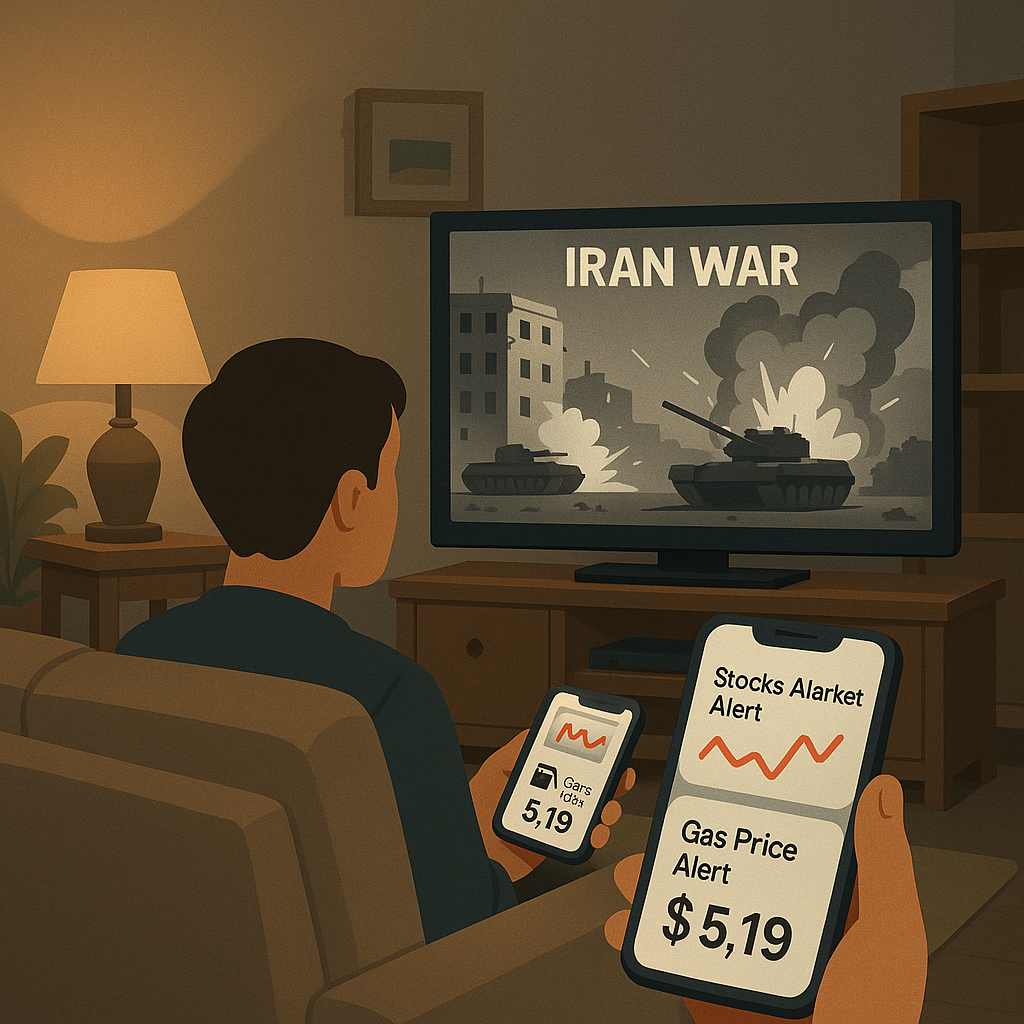
To address what advisers carefully describe as "war fatigue in key lifestyle demographics," the administration has begun rolling out a series of wellness oriented messaging updates. Hegseth recently framed the conflict as "a necessary but low impact reset for regional stability," language identical to a recent skincare brand's "gentle daily peel" and only slightly harsher than a Peloton instructor's breakup monologue.
The White House has also tested focus group phrases like "mindful deterrence" and "conflict journaling," though these have not polled well among people with deployed relatives, older veterans, or anyone who can still name the countries in the last three Authorizations for Use of Military Force.
At the same time, tech and markets media, including Yahoo Finance, note that Middle East instability is already feeding volatility in energy prices and megacap tech stocks, which had carefully positioned themselves as the main characters of human history. Hedge funds now reportedly use a blended metric called the WTI Iran Narrative Index, which tracks the price of oil against how often officials say the word "proportionate." Whenever that ratio spikes, the Nasdaq sheds another hundred billion dollars and someone on CNBC says "geopolitical overhang" with visible exhaustion and an empty LaCroix can in frame.
The White House, confronted with these overlapping realities, has stuck to a simple line: the Iran war is "contained," "manageable," and "not another forever war," terms that poll better when not accompanied by live feeds of expanding strike maps across Iran, Yemen, the Red Sea, and whatever facility Russia helps target next in what one think tank fellow called "region as a service."
"Look, the geography may expand, the actors may multiply, the legal basis may be contested, and the casualty numbers may be in review," said one senior official. "But from a user experience standpoint, this conflict remains extremely opt out friendly. Most Americans will barely notice it, aside from gas prices, 2026 campaign ads, and the occasional leaked memo about unauthorized force authorization. That is what we mean by containment."
Asked how many U.S. personnel had actually died so far, the official glanced at a phone, watched the screen flicker through three different totals, and cleared their throat.
"We are not prepared to share that figure at this time," they said. "We are still waiting for Casualty Cloud to finish syncing, the polling to finish updating, and the talking points to finish compiling. Once the numbers are stable, we will of course notify the appropriate committees, the relevant families, and our highest tier Transparency Plus subscribers."