In a development experts called inevitable, Russia has quietly finished pivoting from fossil fuels to a modern, scalable resource: treason.
According to a recent investigation by Mediazona, the country has effectively rolled its war in Ukraine, politicized courts, and state-controlled internet infrastructure into a single end-to-end repression product, informally known as the “treason mill” and formally branded in government decks as “a comprehensive citizen experience platform.”
The flagship feature is compatibility. Whether you are opposition politician Lev Shlosberg receiving 11 years after a defiant courtroom speech in Pskov, the antiwar party Yabloko being removed from the ballot over “copyright violations,” or a sixty-year-old businessman charged with treason for paying his taxes in Ukraine, the system guarantees a consistent outcome: you are the problem.
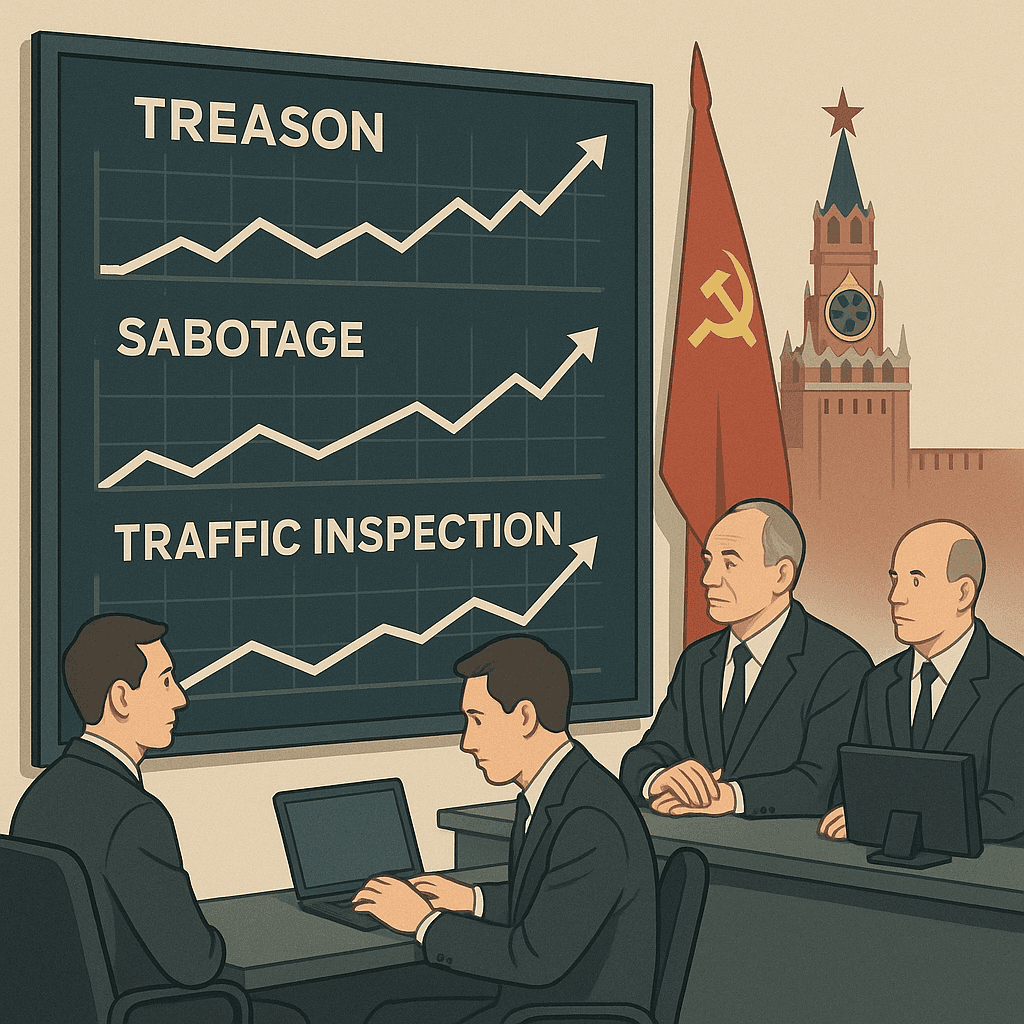
“We saw a lot of legacy processes,” a fictional official at the Russian Supreme Court explained in an internal webinar, according to notes obtained by no one in particular. “Previously, we had separate pipelines for ‘discrediting the army,’ ‘sabotage,’ and ‘treason.’ Now, with our unified Treason Fabric, any behavior can be dynamically routed to the harshest available sentence.”
The case of science journalist Darya Shipacheva illustrates the new architecture. She was sentenced to 12 years in a treason case whose charges were never made public. This represents a paradigm shift in legal UX: the user does not even see the alleged crime. Instead, the state handles everything on the backend, reducing friction and wasteful expectations of transparency.
“We are very proud of the zero-knowledge indictment,” said an unnamed security source, speaking in the general direction of a wall. “Citizens should not have to worry about what they did. They should simply know that if something displeased us, it will find them.”
To make sure it does, seven major Russian banks have moved to a state-controlled certificate authority that can “help sift through users’ traffic,” as Mediazona drily put it. In practice, this means the government is now positioned between ordinary Russians and their browsers, a kind of spiritual lifestyle coach for HTTPS.
The new certificate regime is marketed as cybersecurity. In practice, it operates like a digital doorman who can open any envelope, examine the contents, and then decide whether the letter is better off as kindling.
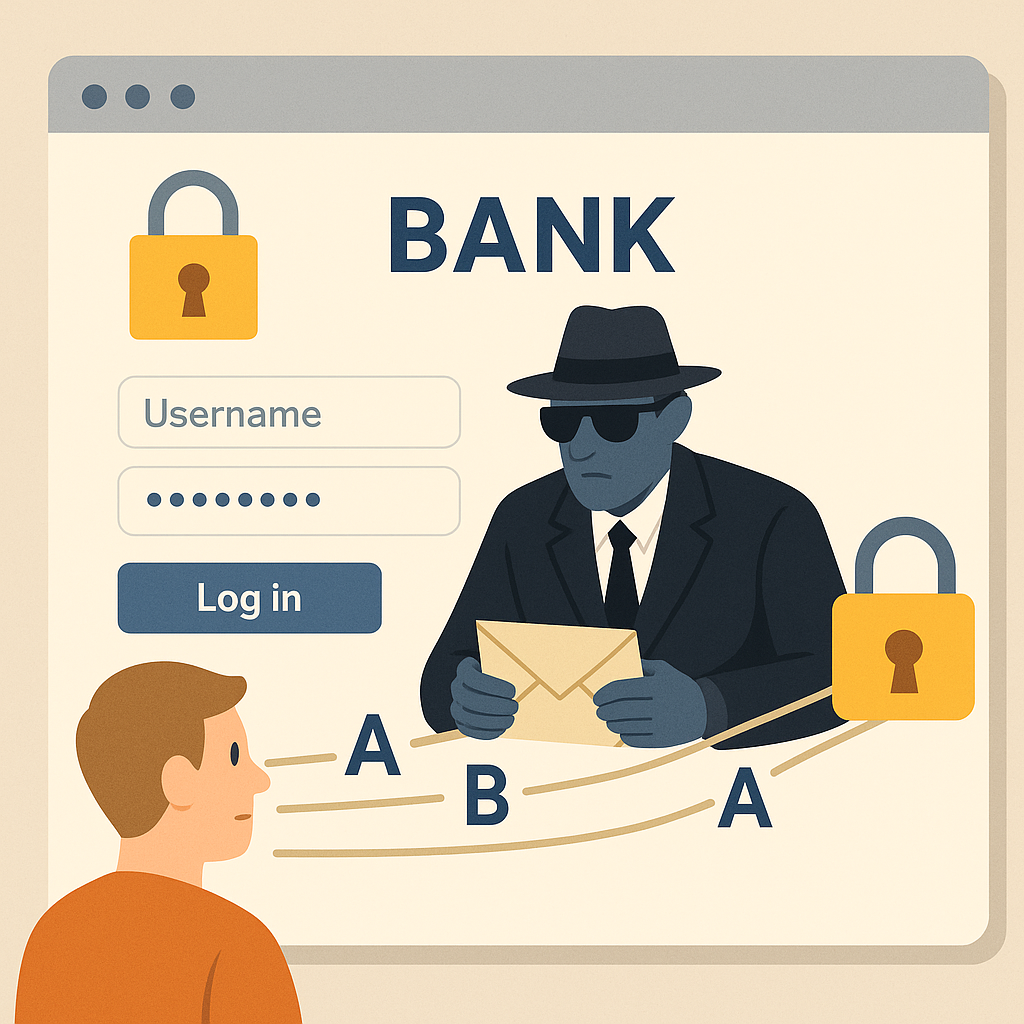
Bank customers are already seeing lifestyle benefits. “I used to worry someone might steal my data,” said Irina, 34, who asked that her last name be withheld because she would like to continue having one. “Now I know exactly who has it, and that they have a prison system to protect it.”
The treason mill is not limited to adults with bank accounts. Since the start of the full-scale invasion, 240 minors have been accused of sabotage. This fills a long-standing gap in the Kremlin’s customer segmentation: youth engagement.
“In the past, we struggled to reach Gen Z,” one regional education official said. “Now they get push notifications in the form of counterterrorism raids. It is very interactive.”
For families abroad, the experience is fully omnichannel. A former journalist from Siberia, now living in Miami, was fined over photos and videos from antiwar rallies and Navalny memorials in the US. Other emigrants face new restrictions on property and passports if they fail to show sufficient enthusiasm from overseas. The message is clear: distance may improve your climate, but not your jurisdiction.
The Moldovan family profiled by Mediazona illustrates how the platform captures foreign users. A father dies fighting for a Russian passport. His son receives 13 years in prison in an espionage case tied to the war. In investor language, this is considered a high-yield package: one dead, one imprisoned, zero remaining illusions about integration.
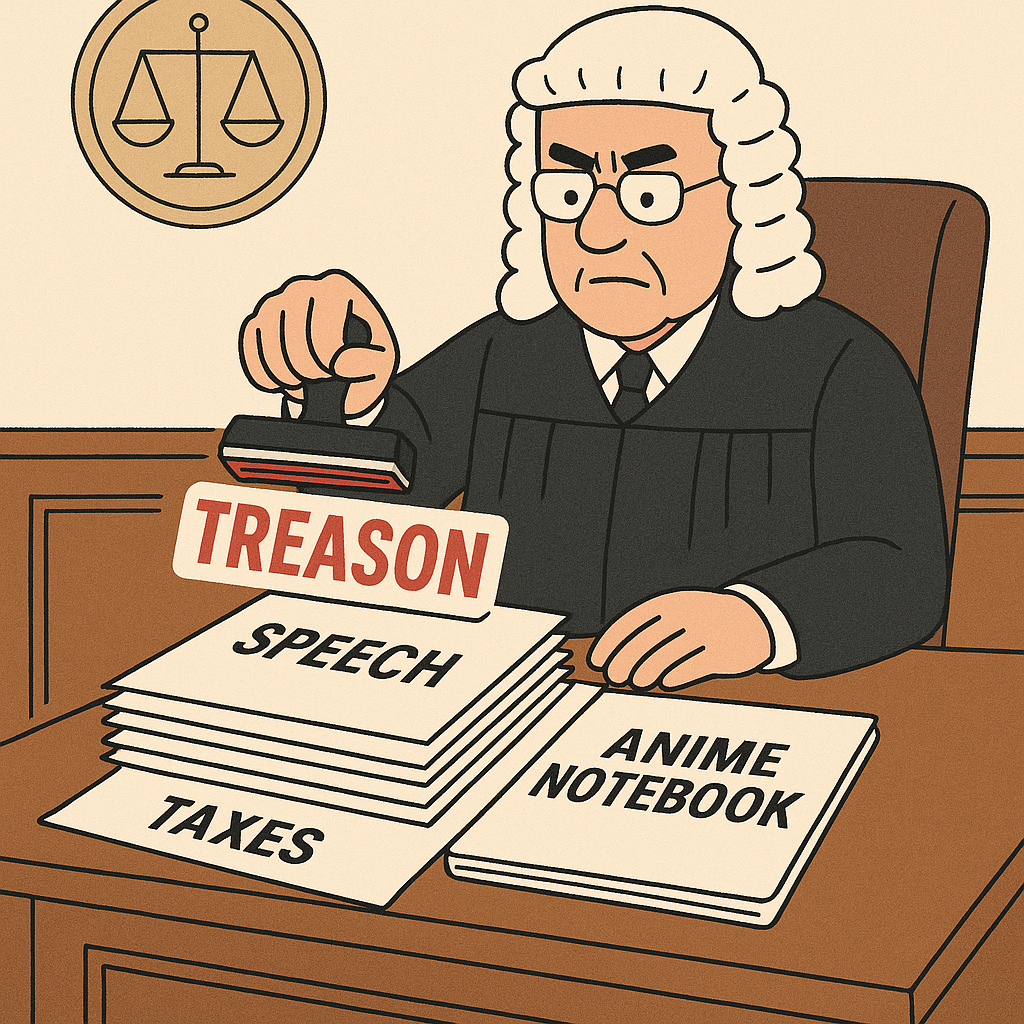
The courts are only part of the stack. Narrative control is handled through micro-optimizations. Two editors were recently fined for merely quoting a censorship official’s rant about “anime and Spider-Men” notebooks, a reminder that editorial crime now includes reproducing the government’s own words.
“We call it content alignment,” explained a culture bureaucrat, adjusting a folder labeled Public Safety / Stationery. “You may only quote us in contexts where we do not sound ridiculous.”
On the ground, the system manages another delicate KPI: 239,350 confirmed Russian war deaths as of August 14. As Mediazona’s count climbs, so does the pressure to keep the home front spiritually exfoliated. Farewell letters like that of soldier Vladimir Podkovyrkin, forced to the front a second time and writing that “some of us are gone in black bags, and not due to the war,” are treated as bugs in the narrative and quickly patched with new cases of “discrediting the army.”
From a lifestyle perspective, the treason mill offers Russians a simpler daily routine. Activities once considered low-risk now come with clear wellness warnings.
- Paying taxes in Ukraine: may cause sudden arrest at Russian airport.
- Running a small opposition party like Yabloko: may trigger Supreme Court-level copyright discussions and ballot erasure.
- Studying science journalism: may result in secret 12-year sentence with surprise charges.
- Raising a politically curious teenager: may introduce them to the justice system as a “saboteur.”
Officially, all of this is about safety. Unofficially, it is about throughput. Once repression is treated as a process problem, not a moral one, technical efficiencies practically suggest themselves. Why argue with an opposition politician when you can refactor the election law. Why win a debate over the war when you can mute the microphone of anyone mentioning body bags.
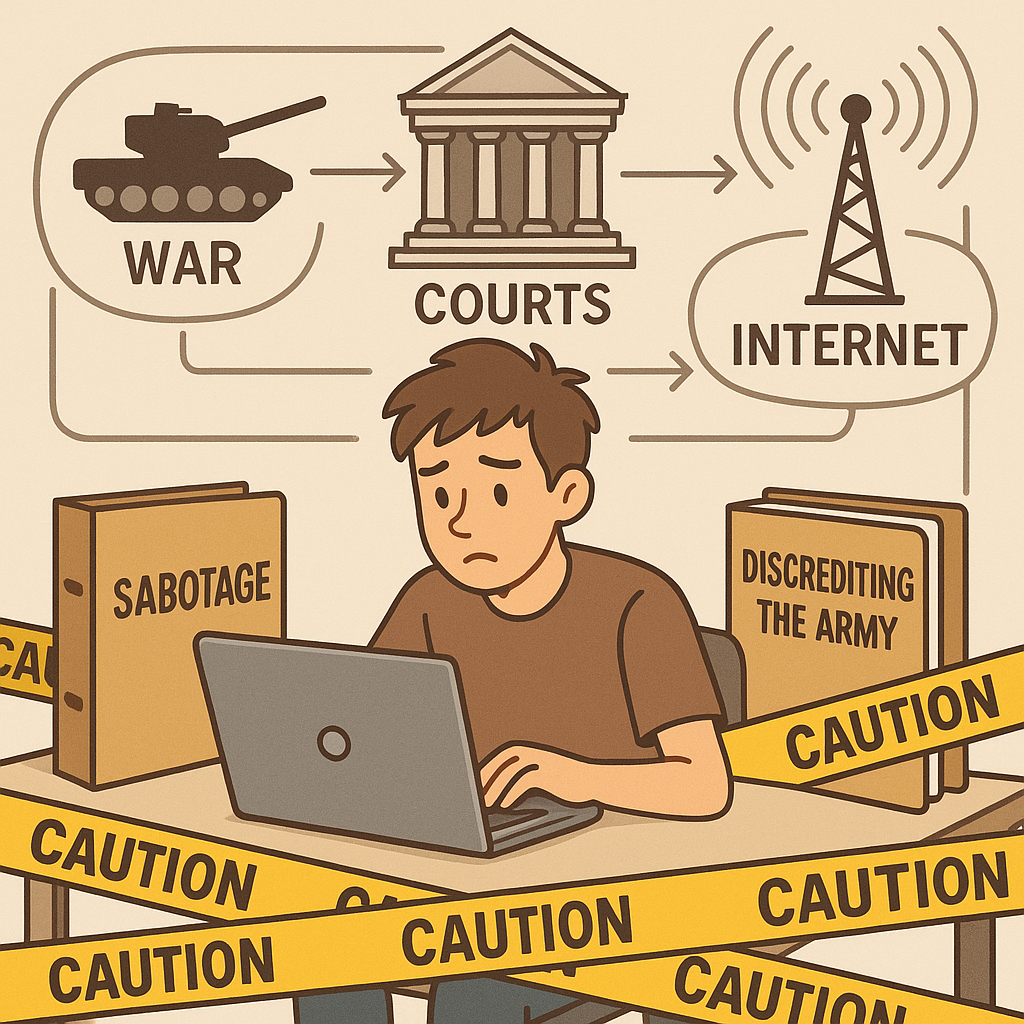
Internationally, the model is being watched with interest by other governments that enjoy power but dislike accountability. The combination of vague security laws, patriotic panic, and low-key network interception offers a product that can be localized in any language where the phrase “public safety” translates conveniently to “whatever we say it is.”
For now, Russia’s treason mill is still in active construction. Courts continue to improvise new categories of crime. Banks continue to migrate to the state certificate authority. Mediazona continues to ask readers for money simply to document what is happening. The war grinds on, providing a consistent justification for why every spreadsheet that lists human beings must keep growing.
Officials insist the architecture is temporary, a wartime necessity that can be rolled back once stability returns. Citizens have been given no timetable for that rollback, but they have been offered a clear, minimalist rule for navigating the future: if you are wondering whether something counts as treason, it already did.