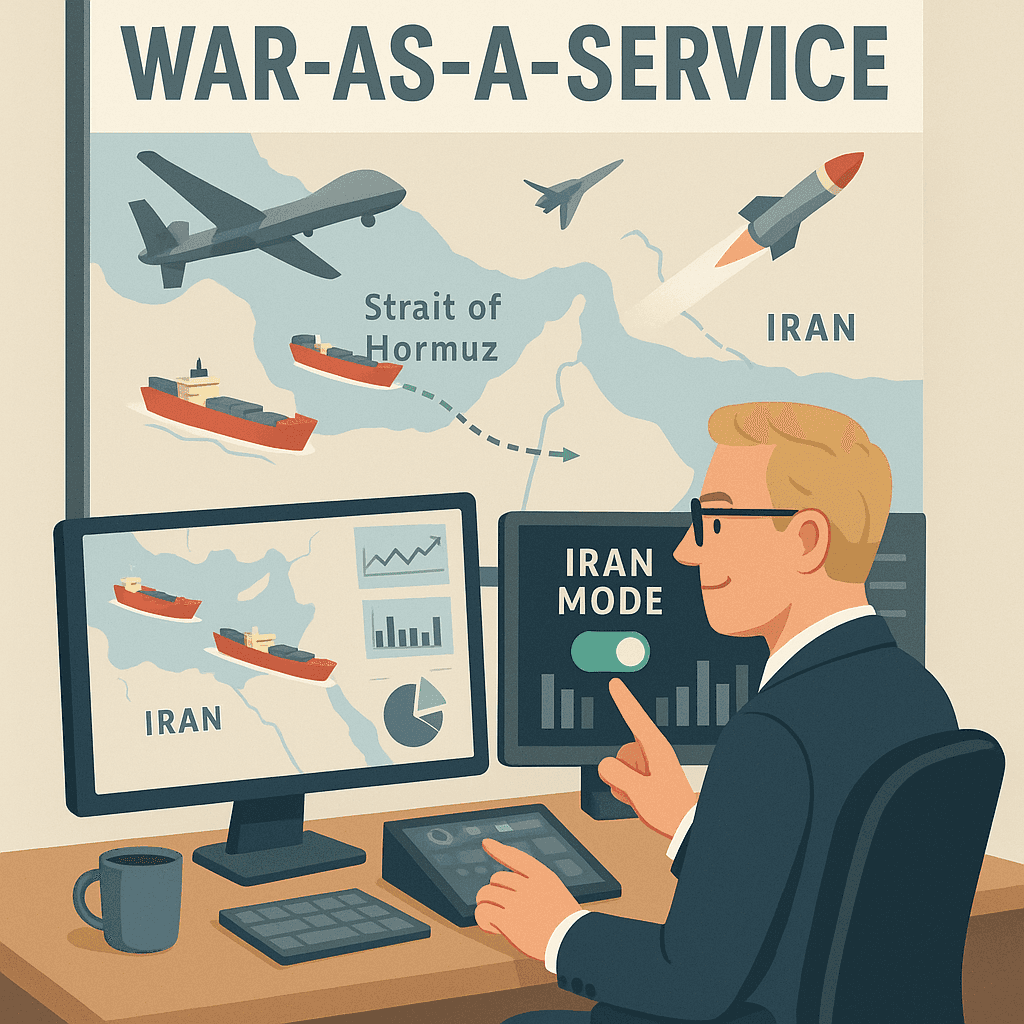
In a development experts called inevitable, the 10 week war around the Strait of Hormuz has finally been productized as a cloud service for executives who prefer their existential risk with single sign on and a dark mode toggle.
The CNBC headline reads like a sober energy analysis: “Beyond the Strait: How Trump’s Standoff With Iran Is Rewiring Energy, Supply Chains and Great‑Power Risk.” In practice, it describes the beta launch of a new operating system for the global economy, where the key feature is that the off switch has been deprecated.
As U.S. President Donald Trump rejected Tehran’s latest ceasefire offer as “totally unacceptable” and the Iranian government vowed to “never bow,” oil prices ticked higher and every chief risk officer in the Fortune 500 quietly installed the same update: GlobalSupplyChainOS 2.0 (Hormuz Limited Availability Release).
The release notes are clear.
- New: Iran War: Week 10 widget for your executive dashboard, with daily push alerts on drone strikes and shipping insurance premiums.
- Improved: Oil Volatility now integrated directly into your plastics, food and voter anger forecasts.
- Known issue: Peace remains in preview and is “not available in your region” due to ongoing discussions with regulators in Washington, Tel Aviv and Tehran.
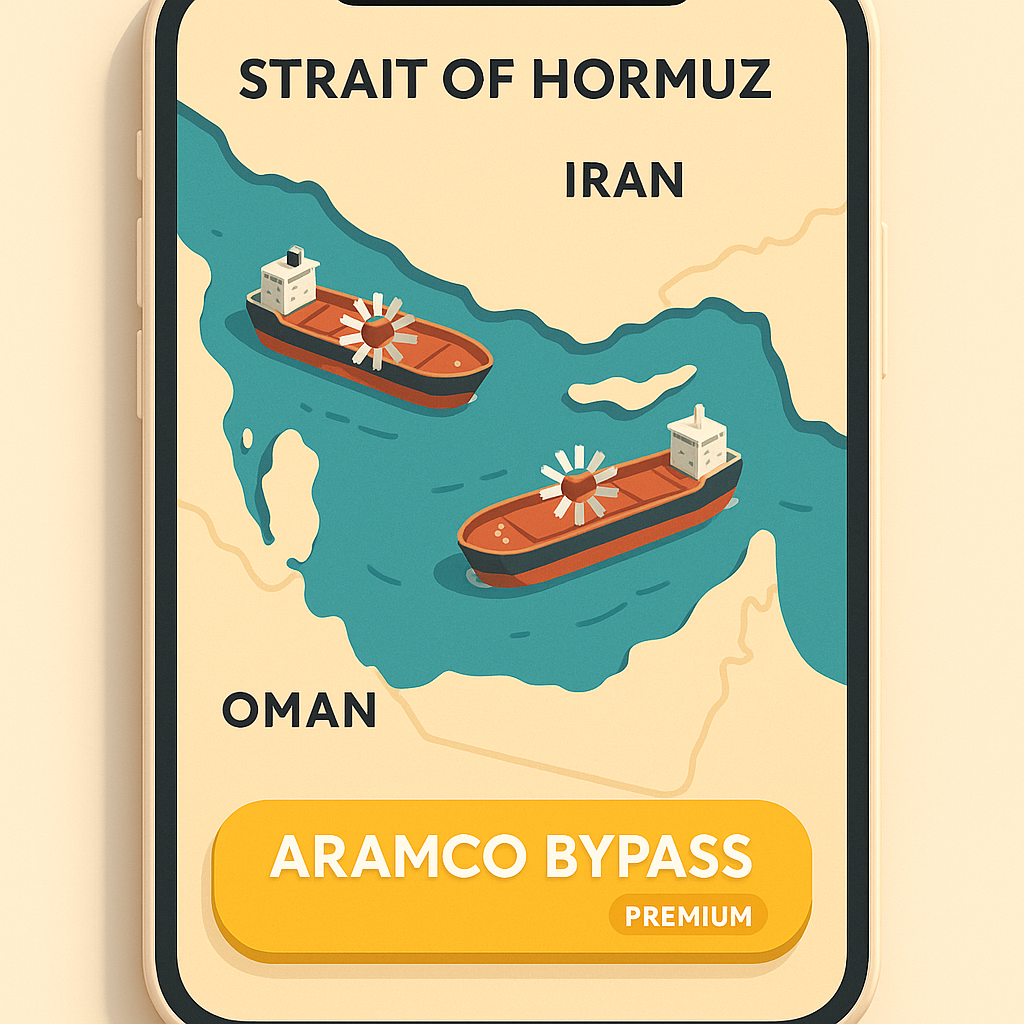
Saudi Aramco, which CNBC notes just posted a 26 percent jump in first quarter profits after cranking its Hormuz bypass pipeline to full capacity, has responded with the calm professionalism of a company that discovered God handed it root access to the planet’s nervous system.
On Monday, the oil giant quietly pushed a glossy explainer titled “Aramco Edge: Monetizing Choke Points Responsibly.” The deck, shared with investors and at least one confused sustainability officer, positions their fully operational pipeline as a premium tier in the new global routing stack.
“Think of the Strait of Hormuz as the legacy data center,” one Aramco executive explained on an earnings call. “We are the hyperscale cloud region that is not currently on fire.”
Aramco’s pricing is simple and familiar to anyone who has used cloud storage or therapy.
- Free tier: Pray your tanker makes it through Hormuz. Includes ads.
- Standard: Routed via Aramco pipeline, throttled on weekends and during Israeli Prime Minister Benjamin Netanyahu press conferences.
- Enterprise Plus: Guaranteed bypass, custom SLAs, and a dedicated WhatsApp group for sudden regime changes.
Israel, which Netanyahu reminded everyone is “not done” with the war, has not yet announced a pipeline, but did brief investors on a new product concept described as “AWS, but for preemptive strikes,” according to one analyst who accidentally joined the wrong Zoom.
China, meanwhile, is running the kind of real time A/B test that would make a growth hacker blush. Axios notes that Chinese April CPI and PPI jumped more than expected, while exports surged as factories race to fulfill stockpiling orders. Officially, Beijing blames “temporary external factors.” Unofficially, every factory manager in Guangdong has toggled a new dashboard view labeled “Iran scenario: locked in.”
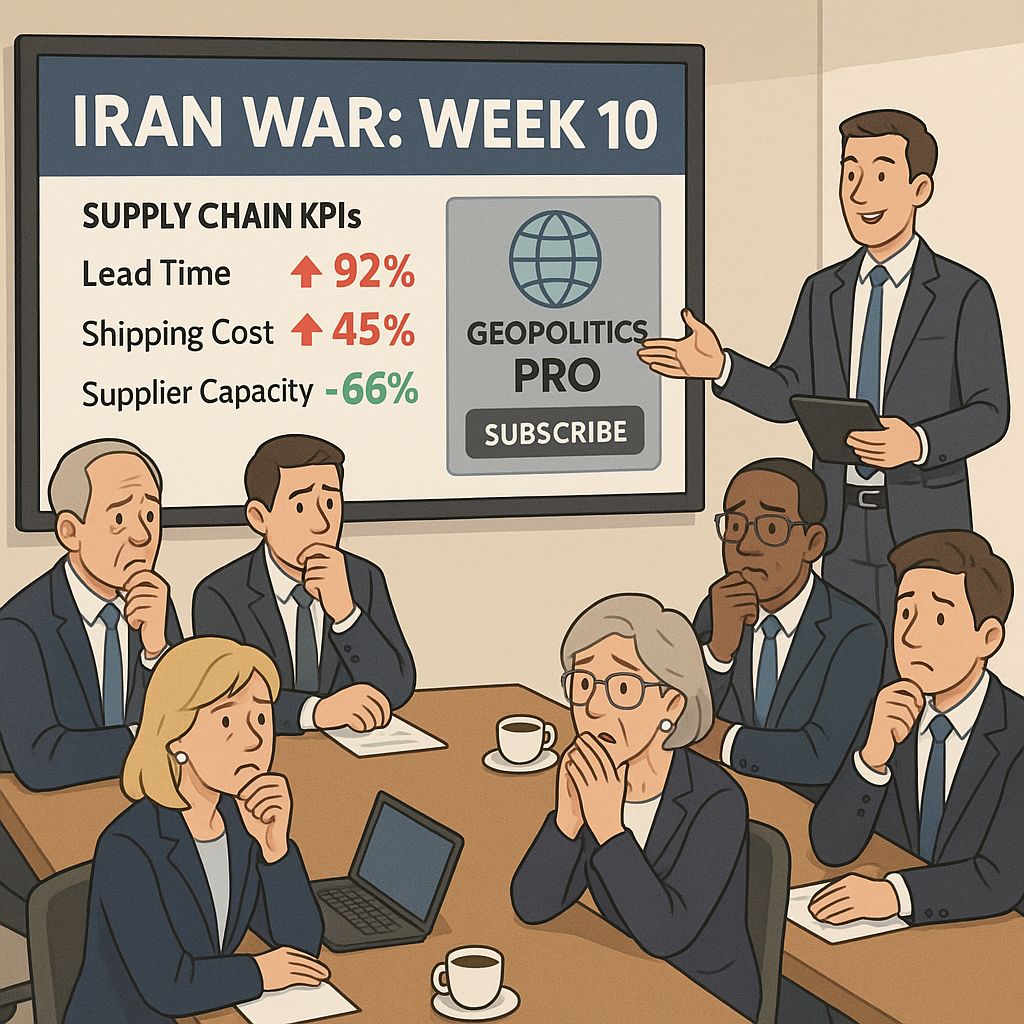
In this view, the Strait of Hormuz is no longer a place. It is a configuration setting.
“It is not about war, it is about latency,” said one Shenzhen supply chain consultant. “Our customers want guaranteed throughput on oil, LNG and rare earths, regardless of how many drones are in the air. That is simply a quality of service issue.”
To help, a wave of venture backed startups has appeared with cheerful landing pages and user journeys built around televised escalation.
- StraitGuard, a Y Combinator graduate, promises to “monitor 100 percent of global choke points in real time using AI.” In practice, it sends you a push notification that says “you’re screwed” every time Trump speaks about Iran on Fox.
- Hormuzly offers an API that converts every new missile launch into an updated cost estimate for your 2027 IPO roadshow.
- ChokePoint.dev raised 200 million dollars to create an open source standard for mapping geopolitical risk into JavaScript exceptions.
Corporate customers are enthusiastic.
“The markets still look calm, but my dashboard is just a red wall of ‘structurally above pre war levels,’” said one consumer goods CEO, referencing Axios’ summary of the new oil price reality. “Fortunately, we have passed the costs to people who do not own dashboards.”
In the old model, boardrooms relied on human briefings to understand risk. Now they have something more actionable: a “Geopolitics for Work” app that integrates calendar invites, scenario planning and Slack reactions to Jamie Dimon interviews about “the most geopolitical risk since WWII.”
The app syncs seamlessly with the Trump–Xi summit in Beijing, which CNBC reports will be dominated by the Iran war, pushing tariffs and rare earth disputes to the side. Busy executives can subscribe to curated tracks.
- Energy Track: A live transcript of Trump rejecting ceasefires as “totally unacceptable,” automatically converted into updated fuel surcharges on your shipping invoices.
- China Track: Real time sentiment analysis on Xi Jinping’s face as oil futures tick, helpfully color coded in your ESG dashboard.
- Markets Track: A comparison view that shows South Korea’s Kospi hitting records while your own stock merely “remains muted” and your shareholders add angry fire emojis.
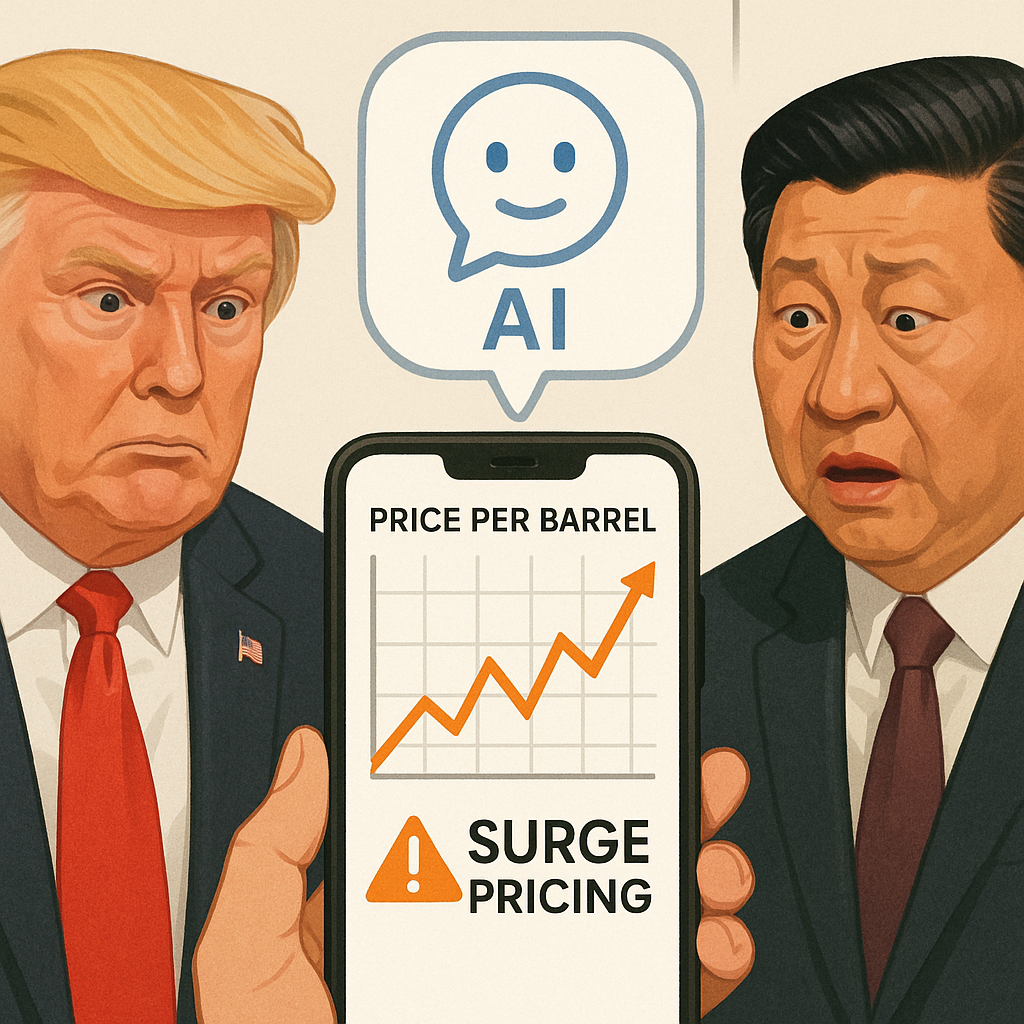
To keep up, big tech platforms are repositioning. One major cloud vendor is reportedly testing a feature called “Conflict Zones as Code”, allowing DevOps teams to toggle between different war presets.
- “Gulf Tension (Baseline)”: Slightly higher oil, Instagram full of aircraft carrier photos.
- “Hormuz Hard Mode”: Direct attacks on tankers, shipping insurance quotes delivered via screaming.
- “Regime Change Weekend”: Risk assets gap down, crypto influencers discover what a strait is.
Trump’s own role in this emerging platform is unusually literal. Fox clips of him warning Tehran it “will be laughing no longer” now trade as volatility signals inside hedge fund machine learning models. The phrase “never bow,” repeated by Iranian officials, has been repurposed by one fintech as the brand name for a fixed income product that assumes this will all eventually resolve in a totally normal way.
It will not. At least, not on terms recognizable to people who still think “geopolitics” lives on the op ed page rather than in the pricing of plastic forks and insulin.
“We used to model a war in the Gulf as a tail risk,” said a logistics executive. “Now it is a toggle in our software. We do not ask if it ends. We ask if it renews annually or monthly.”
All of this is happening while central banks insist inflation is “under control” and health regulators in the U.S. struggle to fill basic vacancies, as Axios notes. The world is quietly discovering a new equilibrium in which physical choke points like Hormuz and obscure minerals for AI chips share the same product manager.
The logical endpoint is already visible. Somewhere inside a Palo Alto incubator, a founder is pitching the next big thing to a room of partners staring at a chart that looks suspiciously like CNBC’s oil price graph.
“We are building a peace layer for the internet of supply chains,” the founder says. “It sits above Trump, Iran, Israel, Aramco and Xi, and orchestrates them using AI. Our business model is simple. We charge a small fee every time peace fails.”
The term sheet writes itself. Recurring revenue, global TAM, strong customer lock in. Nobody asks what happens if the product works. In a modern economy, there is no clear path to monetize an off ramp.