
Keir Starmer has admitted that appointing Peter Mandelson as UK ambassador was, in modern technical terms, a catastrophic production push without QA, but insists he absolutely does not need to resign, uninstall, or even clear his cache over it (Citizentribune, Apr 2026).
Speaking from Labour HQ, which increasingly resembles a WeWork designed by a focus group of anxious pollsters, Starmer described the Mandelson appointment as “a mistake in deployment, not in leadership architecture.” In other words: the app crashed, but the CEO likes the logo, so nobody’s getting fired.
According to reports carried by the Citizentribune, the Rutland Herald, The Sun Chronicle, and the Yakima Herald-Republic, Starmer conceded that making Lord Peter Mandelson the UK’s diplomatic front‑end to the world was “not ideal in hindsight” – a phrase traditionally used moments before an entire engineering team is replaced by a management consultant named Colin.

The appointment itself, critics say, was like plugging a 1990s USB device directly into the 2026 geopolitics mainframe. Mandelson, a veteran New Labour architect, is less a statesman than a legacy system: powerful, convoluted, and impossible to fully uninstall without taking half the party down with him.
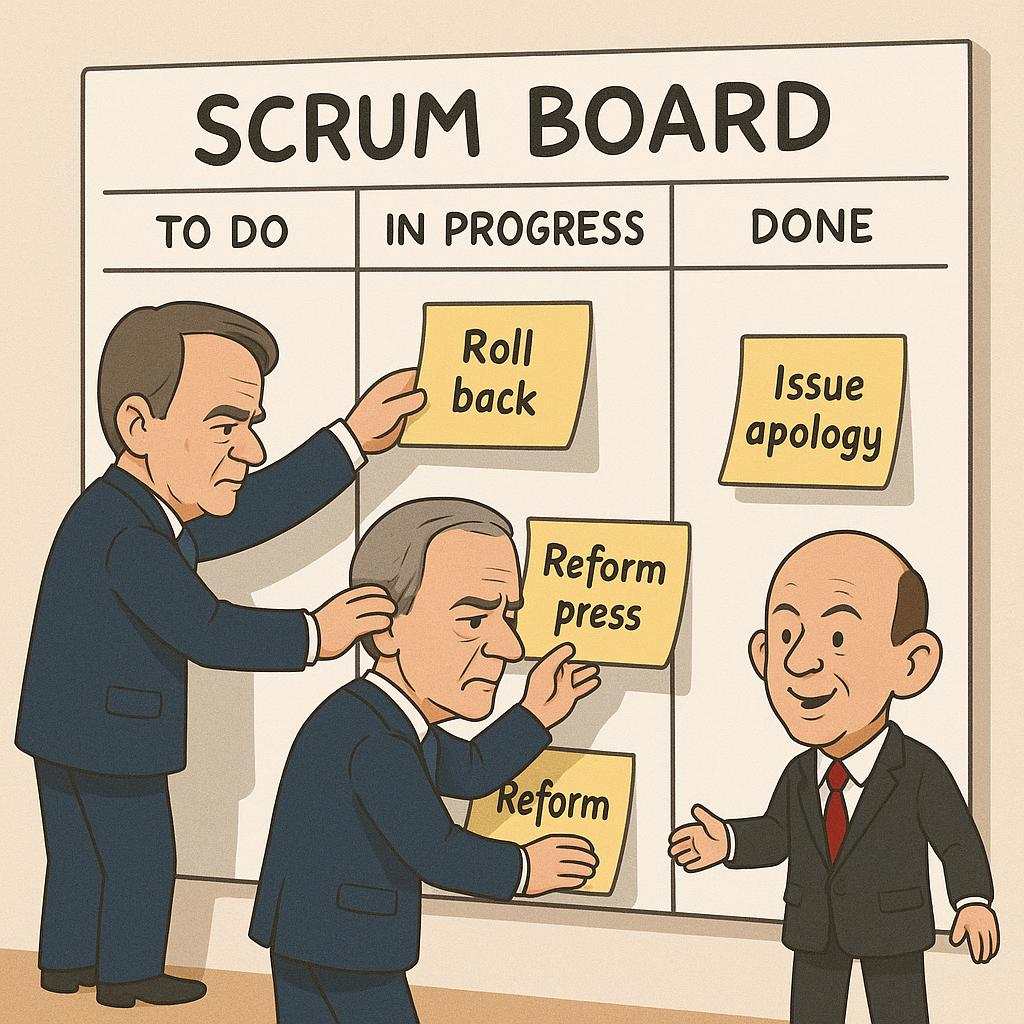
Inside Labour, the saga reportedly played out like a disastrous software sprint:
- Phase 1: Ideation. “We need a UK ambassador who understands global markets and media,” a strategist said, accidentally typing “Mandelson” instead of “modern person” into the search field.
- Phase 2: Deployment. Someone hit “Ship to Production” on the appointment before the ethics committee’s unit tests had run.
- Phase 3: Incident. Pushback from within Labour, the diplomatic corps, and reality itself forced a rollback.
“Look, in any complex system, occasional misconfigurations occur,” Starmer insisted, with the pained calm of a CTO who just discovered the intern had root access. “We identified the issue, issued a patch, and the core platform – my leadership – remains stable.”
Opponents, however, claim the problem isn’t just a rogue appointment but Labour’s entire approach to personnel as if they were apps in a beta store. “Keir Starmer treats figures like Peter Mandelson as if they’re premium DLC,” one unnamed MP complained. “He keeps re-downloading the same old New Labour expansion pack and then acts surprised when it’s full of microtransactions and copyright‑expired ideas.”
In the Owensboro Messenger And Inquirer version of events, Starmer is said to have told reporters that while the Mandelson choice was “an error,” it in no way undermined his fitness to lead. The comparison in tech terms would be: your cloud provider accidentally exposes all your data to the public internet, then assures you the real lesson is how swiftly they updated the blog post about it.
This is not the first time Labour’s talent pipeline has looked suspiciously like an old contacts list that never got deleted. Insiders say the candidate recommendation engine used by the party resembles a badly tuned recommender system:
- If Blair-era == true, then boost score +500.
- If has podcast, add 10% chance of appointment.
- If younger than the internet, flag as “unproven risk.”
“At this point, Mandelson is essentially Labour’s Clippy,” one digital strategist sighed. “He keeps popping up: ‘It looks like you’re trying to win an election. Would you like help triangulating your policy until nobody understands it?’”
Starmer’s refusal to resign has turned into a stress test of Britain’s political operating system. The standard script goes like this: scandal, apology, symbolic resignation, six months of ghost‑writing think tank PDFs, and then a triumphant rebrand on a late‑night interview couch. Starmer is apparently attempting a radical new UX pattern: acknowledge the bug, but keep the app open, insist it’s “learning,” and hope users continue clicking.
“I’ve listened, I’ve learned, and I’m laser‑focused on the future,” Starmer said. Translation, in product‑management speak: “We’ve added your complaints to the backlog, right below ‘dark mode’ and ‘becoming interesting.’”
The Tory response has been predictably helpful. Ministers who once defended their own technical outages – from lost WhatsApp messages to an entire country‑scale data breach called “Brexit” – now argue that appointing Peter Mandelson as UK ambassador is a “red flag about judgement.” In coding terms, that’s like legacy COBOL systems accusing a slightly newer Java service of being out of date.
Internationally, diplomats who might have had to work with Ambassador Mandelson expressed a mix of relief and morbid curiosity. One EU official reportedly joked, “On the one hand, we’re glad this wasn’t final. On the other, it would’ve been historically fascinating to negotiate with the human incarnation of a spin doctor patch note.”
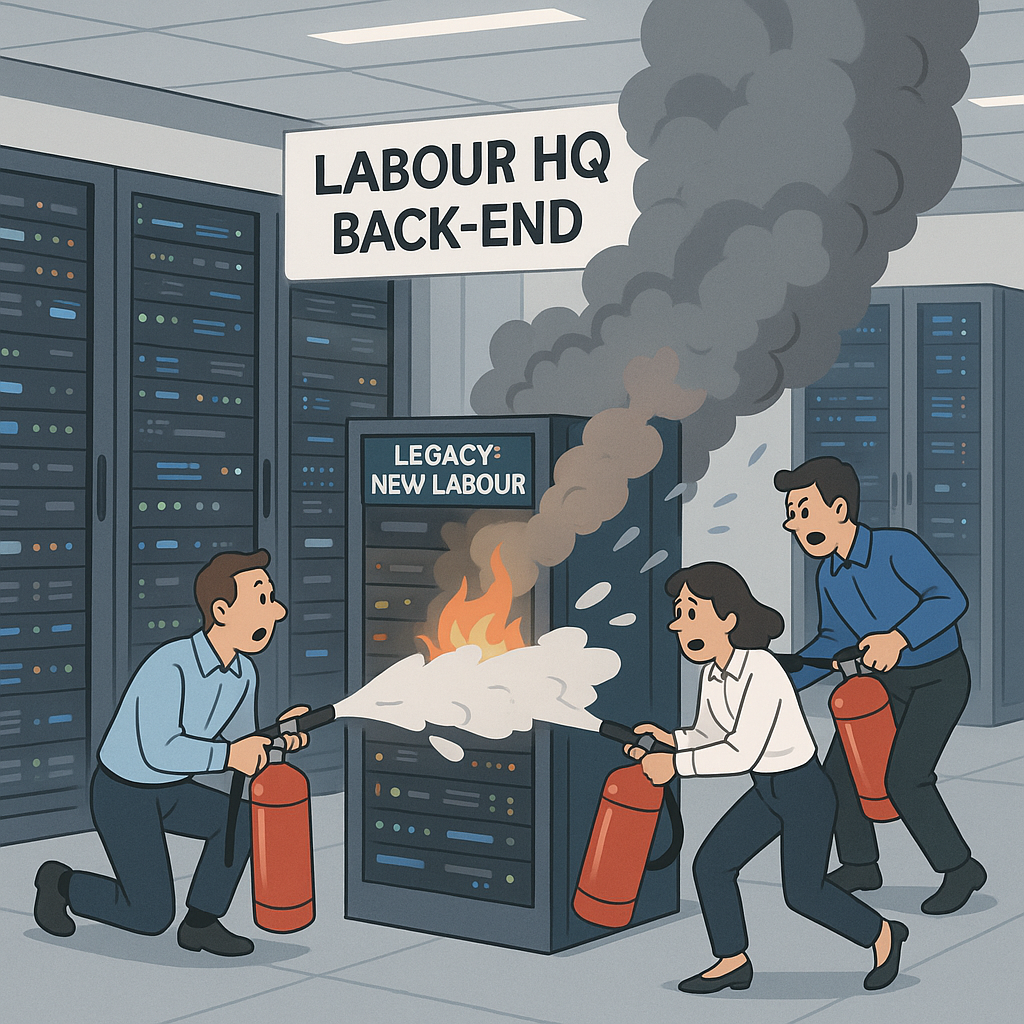
What makes this especially on‑brand for 2026 is how much the whole saga feels like a bad product launch. The press leaks first. Then come the outraged user reviews. The company issues a “we hear your concerns” note. Nobody admits who actually pushed the go‑live button. The questionable feature – in this case, Ambassador Mandelson – gets quietly deprecated, and everyone pretends it was just an A/B test.
Starmer’s argument is simple: mistakes are inevitable in a complex, fast‑moving environment, and the important thing is the “resilience” with which a leader responds. His critics have an even simpler counterpoint: if your first instinct under pressure is to reach for Peter Mandelson, what other pre‑installed apps are you planning to reboot once in office?
Underneath the theatre, the episode reveals something uncomfortably familiar to anyone who’s ever worked in tech or politics: it’s the same people, recycled in different roles, under new buzzwords. New Labour becomes “changed Labour.” Stakeholder capitalism becomes “modern mission‑driven growth.” Ambassador Mandelson becomes “oops, our bad, but don’t worry, the dashboard looks great now.”
For now, Keir Starmer remains installed as party leader, insistently clicking “Remind me later” on every pop‑up window labelled “Accountability update available.” The Mandelson ambassador build has been rolled back to staging. And British voters, once again, are left beta‑testing a political operating system that insists the bugs are actually features, and the real problem is that you haven’t read the release notes closely enough.