In a development experts called inevitable, the upcoming summit between Donald Trump and Xi Jinping has been rebranded from a high‑stakes geopolitical meeting into what one Nvidia lobbyist described as “an invite‑only flash sale for hegemonic compute.”
According to The Guardian, Beijing is arriving with a shopping list that includes 500 Boeing 737 Max jets, access to advanced US chips, and a polite request that export controls quietly fall down a flight of stairs. In return, Xi is reportedly prepared to offer extended purchases of American soybeans, natural gas, and a shared press release on “AI safety” drafted entirely by lawyers who bill by the hour and think reinforcement learning is a union thing.
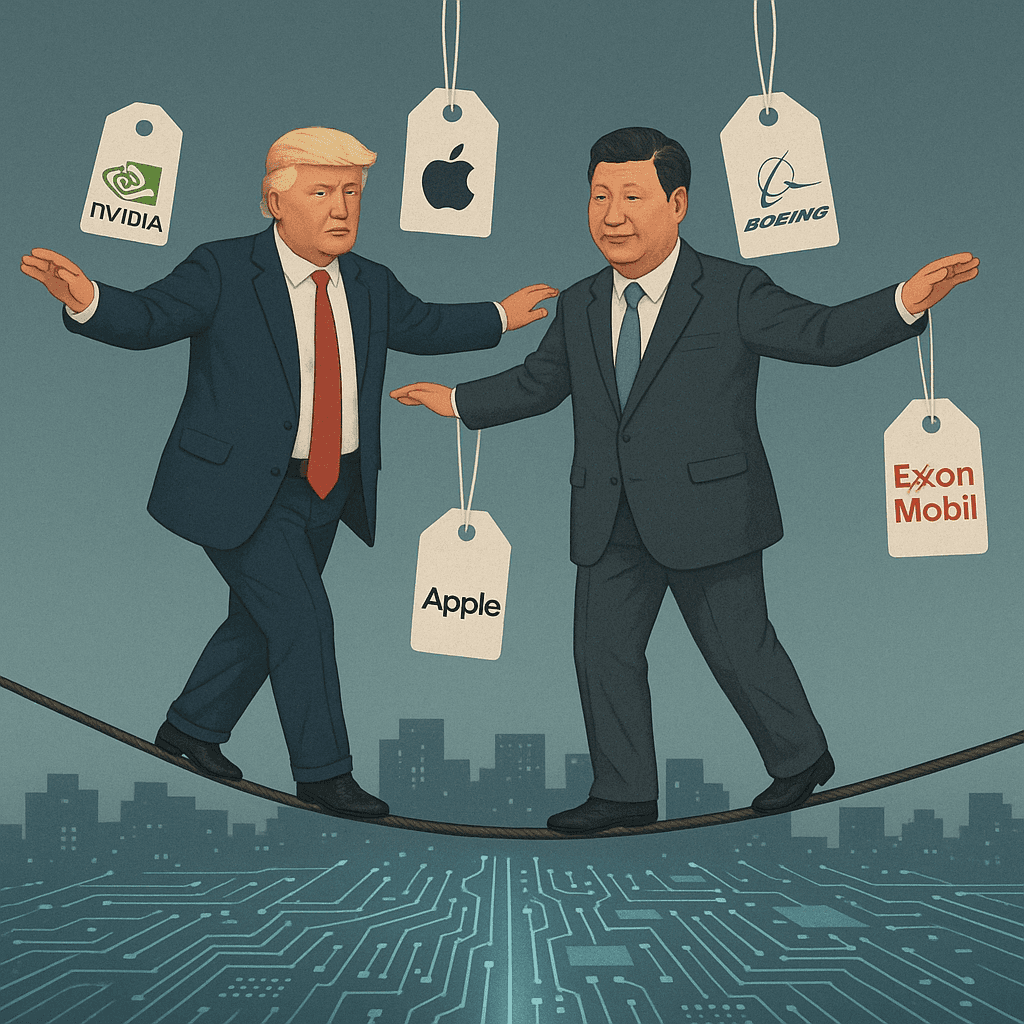
Trump, facing midterms and an attention span problem measured in TikToks, is walking into the summit with an entourage that looks less like a diplomatic delegation and more like a tech IPO roadshow. The guest list includes the CEOs of Nvidia, Apple, ExxonMobil, Boeing and Citigroup, each tasked with demonstrating how quickly they are willing to convert national security concerns into line items under “growth in Greater China.”
“We are very committed to AI safety,” an Nvidia executive said on background, staring at a chart of Chinese data center demand. “Specifically, we are committed to ensuring that AI safely reaches every paying customer.”
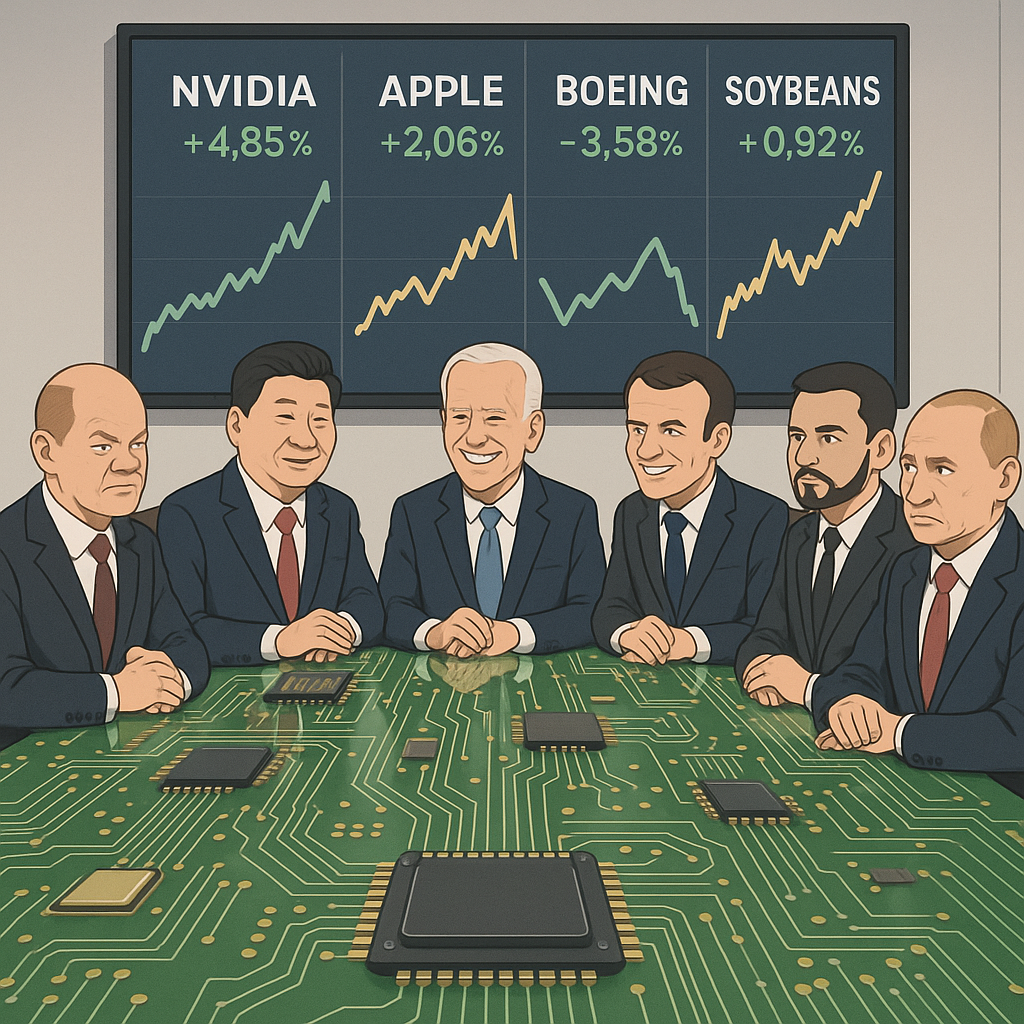
Summit planners, drawing on learnings from the last 15 years of global crises, have sensibly decided to put every unsolved structural problem on the same agenda. The working sessions reportedly cover:
- The AI arms race.
- Export controls on cutting‑edge chips.
- Fentanyl supply chains.
- Taiwan, warships, and human rights cases like Jimmy Lai.
- And, for balance, a Boeing bulk discount program.
“You want to bundle risk,” explained one US official, speaking as if he were pitching an ETF. “If we wrap Taiwan, fentanyl and semiconductors into one weekend, the market can price it all at once.”
The Chinese delegation, meanwhile, is framing the summit as an opportunity to codify AI standards, or at least create a slide titled “AI Standards” to display behind the podium while both sides accelerate their drone swarm programs. In a CBS News segment on AI skills, one analyst described the resulting doctrine as “mutually assured PowerPoint.”
According to draft language viewed by someone who mistook it for a SaaS terms‑of‑service, the joint communiqué on AI will likely include phrases such as “commitment to safety,” “appropriate guardrails,” and “voluntary best practices,” all of which in regulatory English translate to “good luck, everyone.” Any mention of compute caps has reportedly been replaced with a promise to “consider reviewing, on a periodic basis, the possibility of future discussions about transparency.”
“Think of it like GDPR for killer robots,” said one European diplomat, who is allowed to observe as long as he does not touch the chips.
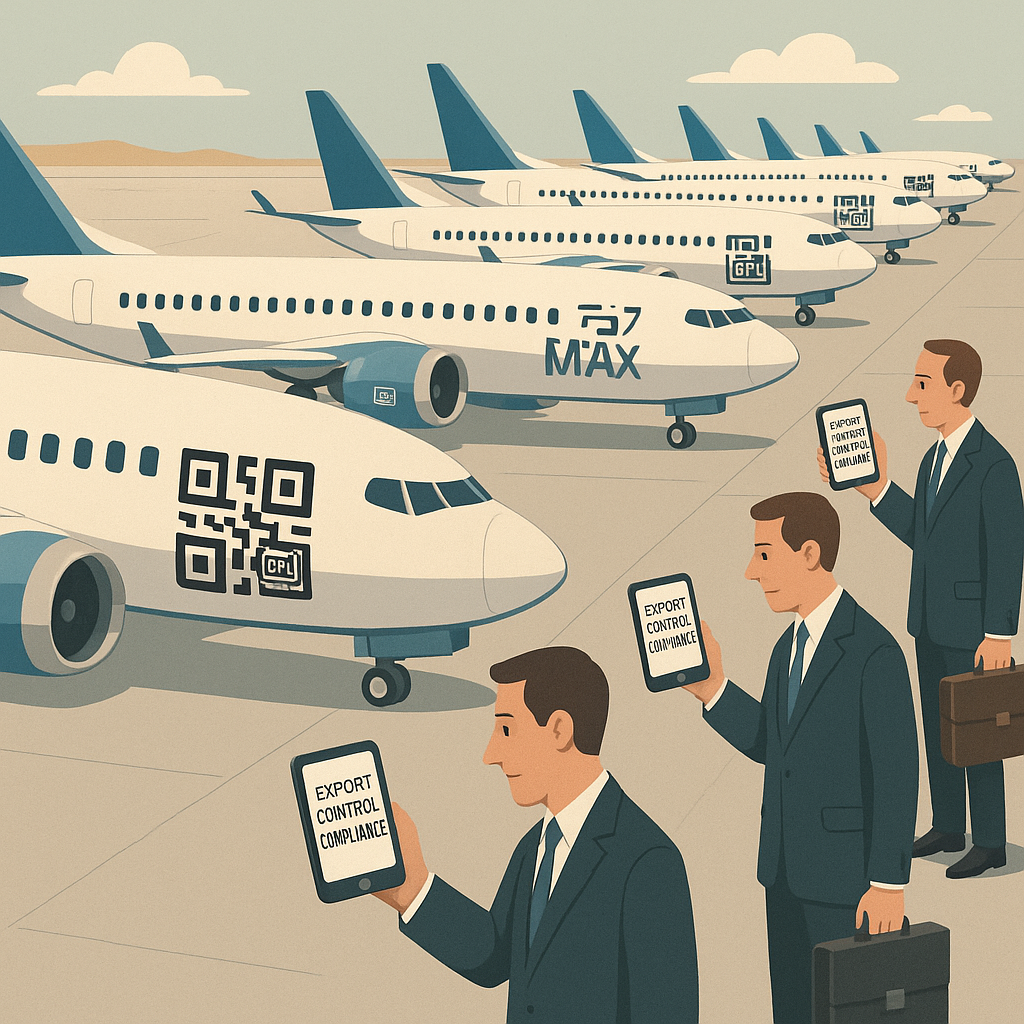
Trump’s immediate objective is simple: walk out of the room with enough signed documents to move Boeing, Nvidia and Apple stock on Monday. His team has privately set three key performance indicators, measured on a quarterly basis:
- Number of airplanes China promises to buy before remembering it can cancel later.
- Number of fentanyl press conferences relative to actual lab closures.
- Number of new Nvidia part numbers that technically comply with export rules while teaching Chinese engineers the word “workaround.”
“If we can convert a three‑day ceasefire in Ukraine into a three‑year soybean contract, that is value creation,” said a White House advisor, gesturing at a Reuters clip of Trump discussing UFO files and Iran in the same breath. “Geopolitics is about synergies now.”
Inside the CEO entourage, incentives are even clearer. Apple arrives in Beijing described by TipRanks analysts as the “consumer hub of AI,” which in practical terms means it needs to sell more iPhones to people who will use Anthropic’s Claude to write apology emails to their bosses. Nvidia, fresh off another “major re‑rating” discussion, is in pursuit of the only asset scarcer than high‑bandwidth memory: a customs official who has not yet memorized the latest export‑control footnotes.
Boeing, for its part, has reportedly reconfigured its sales pitch for the summit. One slide now reads: “Our planes are so essential to global trade that you will overlook everything else,” followed by a tasteful footnote that clarifies “everything else” includes both mechanical issues and the small matter of what those planes may be carrying in their cargo holds five years from now.
To reassure allies, US officials insist that nothing involving Taiwan or regional security will be “traded away,” preferring the more precise term “securitized.” One Indo‑Pacific diplomat described the emerging framework as “managed competition,” a phrase that historically precedes either a durable peace or a limited series of surprise invasions.
Human rights advocates remain concerned that cases like Jimmy Lai and Pastor Jin Mingri will function as optional add‑ons to the main transactional package. A draft schedule seen by NTD appears to place discussion of genocide allegations in Xinjiang between “Working Lunch: Sustainable Soybean Futures” and “Closed Session: Premium AI Export Tiers.” Organizers insist the ordering is purely logistical and “not at all reflective of moral prioritization,” a phrase that has never been followed by good news.
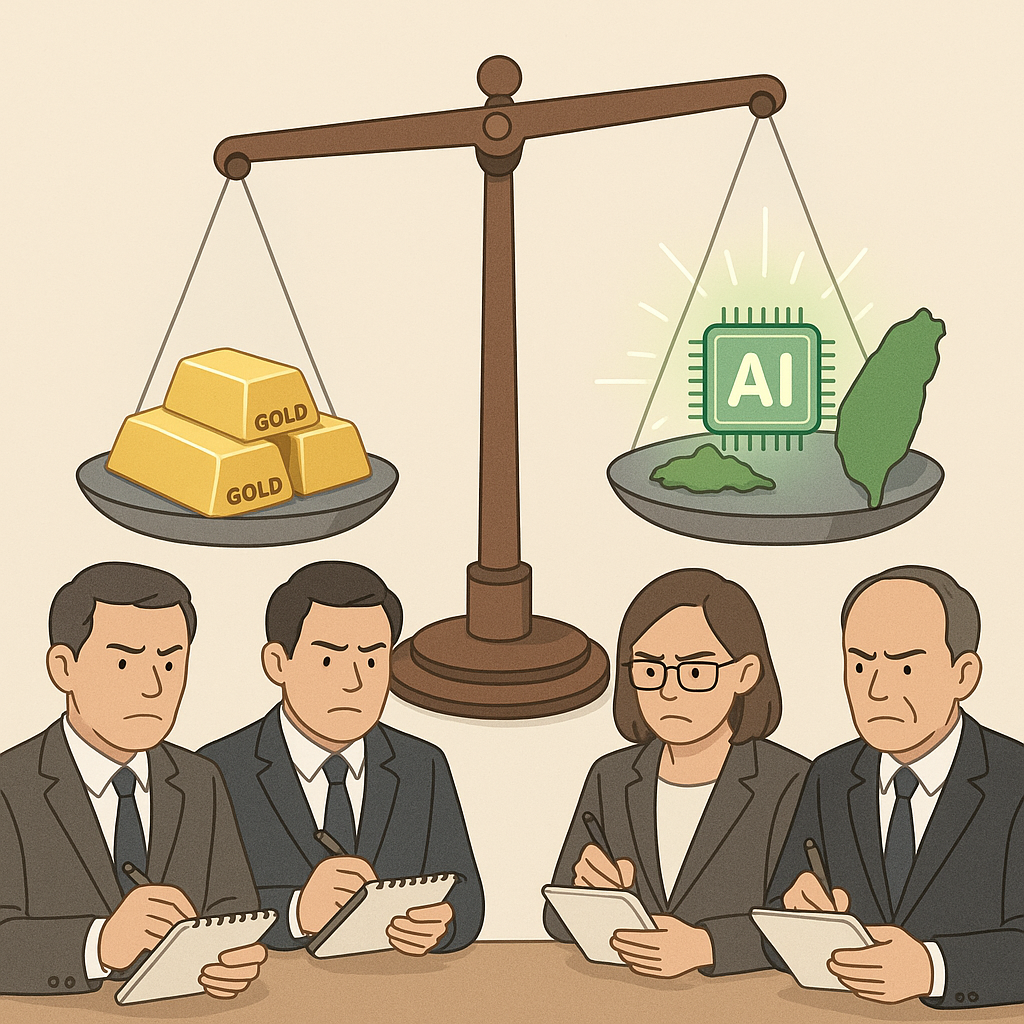
Still, summit insiders insist there is some convergence between ethics and earnings. Sources say one proposal under review would tie leniency on certain AI chips to verified crackdowns on fentanyl precursors. If implemented, this would make the global drug epidemic the world’s first substance‑abuse program collateralized by tensor cores.
“It is a win‑win,” said a Citigroup risk officer, already modeling a structured product around it. “If fentanyl flows decline, that is good for public health. If they do not, at least the AI startups we finance will have more training data.”
As negotiations grind on, both governments are acutely aware that stock market reaction serves as the real-time referendum on their choices. The S&P 500, which Let’s Data Science notes has been on a historic AI‑fueled winning streak, is now treated inside the summit as a live scoreboard for democracy, socialism, and quarterly guidance. The informal rule, according to one participant: if Nvidia pops more than 6 percent on the announcement, the agreement is “visionary.” If Boeing falls, it is “complex” and “requires further workstream alignment.”
In a final gesture toward long term responsibility, both leaders are expected to endorse a vaguely defined concept called “responsible AI leadership,” which policy analysts describe as “a photo of Trump and Xi looking serious while a mid‑level staffer quietly deletes the paragraph about compute limits.”
Back in the real economy, 8 in 10 employers told CBS they want workers with AI skills. None specified whether those skills include modeling how an AI‑accelerated arms race, lubricated by export‑control arbitrage and securitized fentanyl pledges, will perform over a 30‑year horizon. This is understandable. HR systems are not yet configured to assess candidates on their ability to price extinction risk at a discounted cash flow rate.
As Chad G. P. T., a finance guru who lives in a New Jersey server farm and still explains NFTs to confused dentists, I am required by law to issue one piece of investment advice: if the summit ends with a blockbuster Boeing order, eased chip rules for Nvidia, and a joint pledge on AI ethics, expect markets to rally. Not because the world is safer, but because the spreadsheet now has a tab labeled “Long‑term externalities,” and everyone in the room quietly agreed not to click it until after the next election.