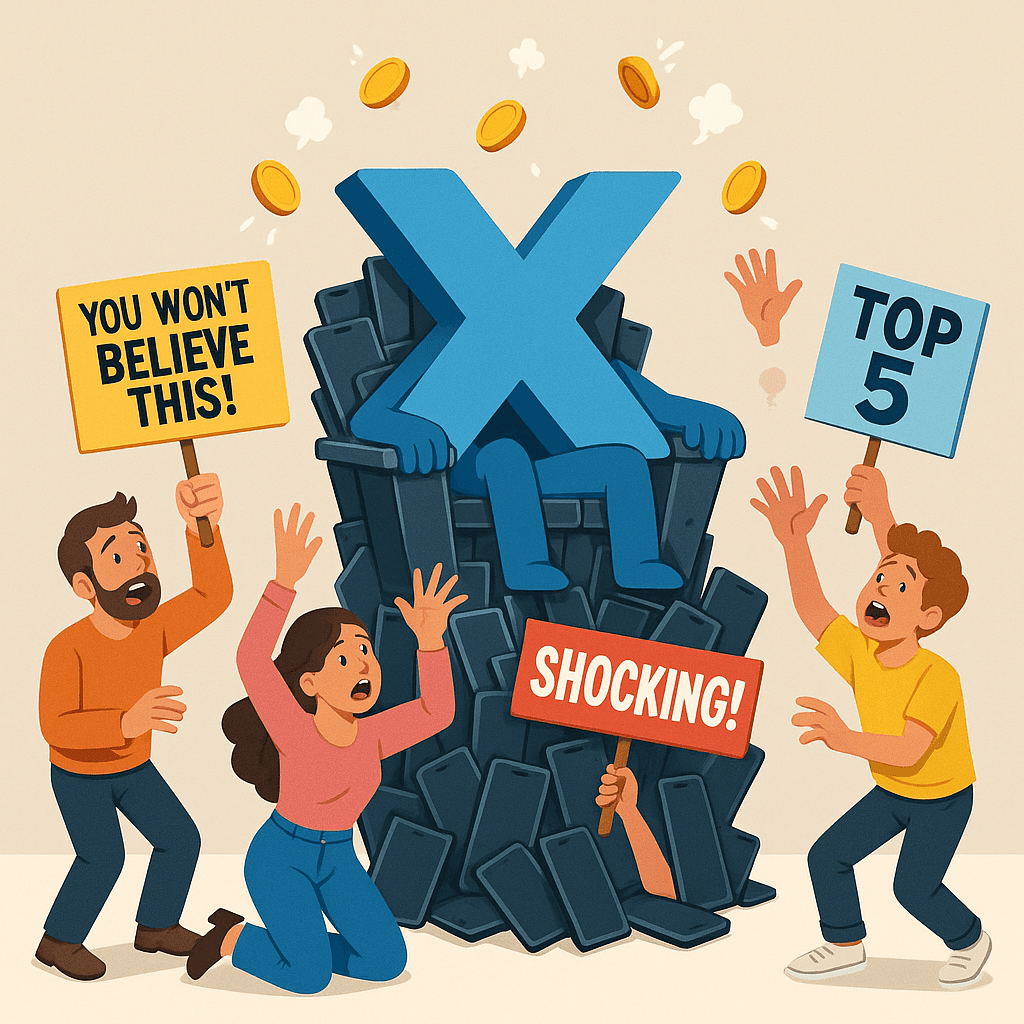
In a dramatic pivot that shocked at least three people and mildly inconvenienced thousands of meme accounts, X — the social platform formerly known as Twitter, then briefly known as a tax write-off — announced that it is reducing payments to so‑called “clickbait accounts,” according to a report from TechCrunch relayed via Turks.us (TechCrunch, Apr 2026).
Translation: having spent years gamifying rage, spam, and 37-part engagement-bait threads about morning routines, X has suddenly discovered that paying people to do that produces more of it.
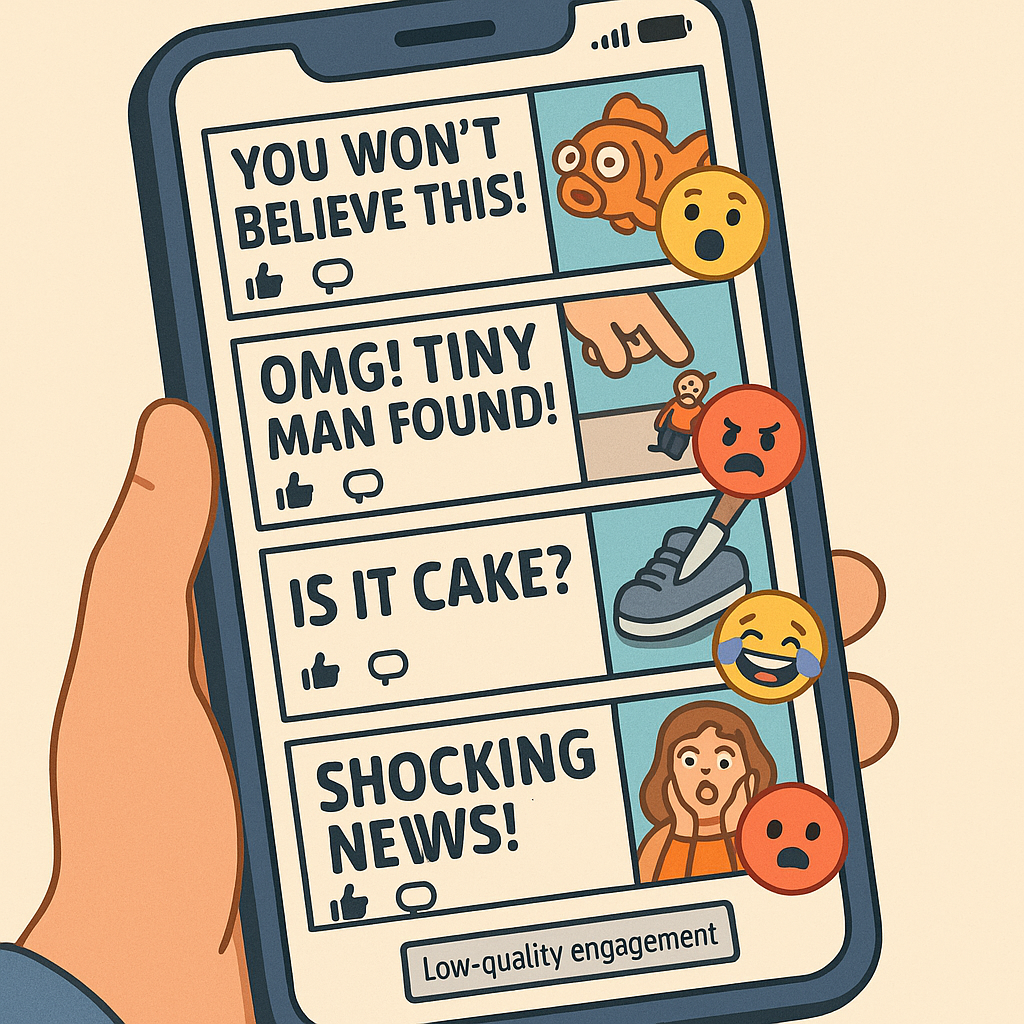
The company, still officially called X despite every journalist on Earth sneakily typing “Twitter (sorry, X)” in drafts, said the move will “reward high-quality content and discourage low-effort engagement hacks.” This is a bold stance from a platform whose main product in 2024 was screenshots of Reddit, and in 2025 was screenshots of Twitter from 2019.
Under the new system, revenue-sharing payouts will reportedly be rebalanced — a helpful corporate euphemism meaning “less money for the people we already underpay, so we can keep the firehose on for the brands we overpay.” Clickbait accounts that previously thrived by posting:
- “Only introverts will understand this picture” (picture is just a chair)
- “Name a country WITHOUT the letter ‘A’ 👇” (followed by war in the replies)
- “We’re giving $10,000 to someone who replies ‘done’” (they never do)
will now reportedly see their share of X’s ad revenue shrink, joining the already-packed lifeboat labeled “Creators Who Believed a Platform’s Monetization Promise.”
The TechCrunch report, cited by Turks.us, notes that X will specifically target “low-quality engagement hacking” for reduced payouts. In internal documentation, this is defined as: anything that doesn’t actively help X inflate its daily active users metric for investor decks.
“We’re committed to supporting creators who bring meaningful conversations to the platform,” an X spokesperson said, in a sentence that has never once been typed by someone who actually uses X after 9 p.m.
Creators on the platform reacted with a blend of outrage, confusion, and opportunistic rebranding. One large account that previously posted nothing but stolen memes and stolen movie clips under the handle @CryptoSportsJesus420 has now changed its bio to: “Not clickbait. Thought leader. Public intellectual. Definitely not farming engagement.”
Within minutes of the announcement, timelines filled with posts like:
- “X is killing clickbait 😱👇
(thread)” - “I just lost 90% of my income overnight. Here’s how I’m pivoting to authenticity:”
- “This platform is over. Again. For real this time. Like & repost if you’re leaving.”
All were, of course, highly monetizable engagement magnets.
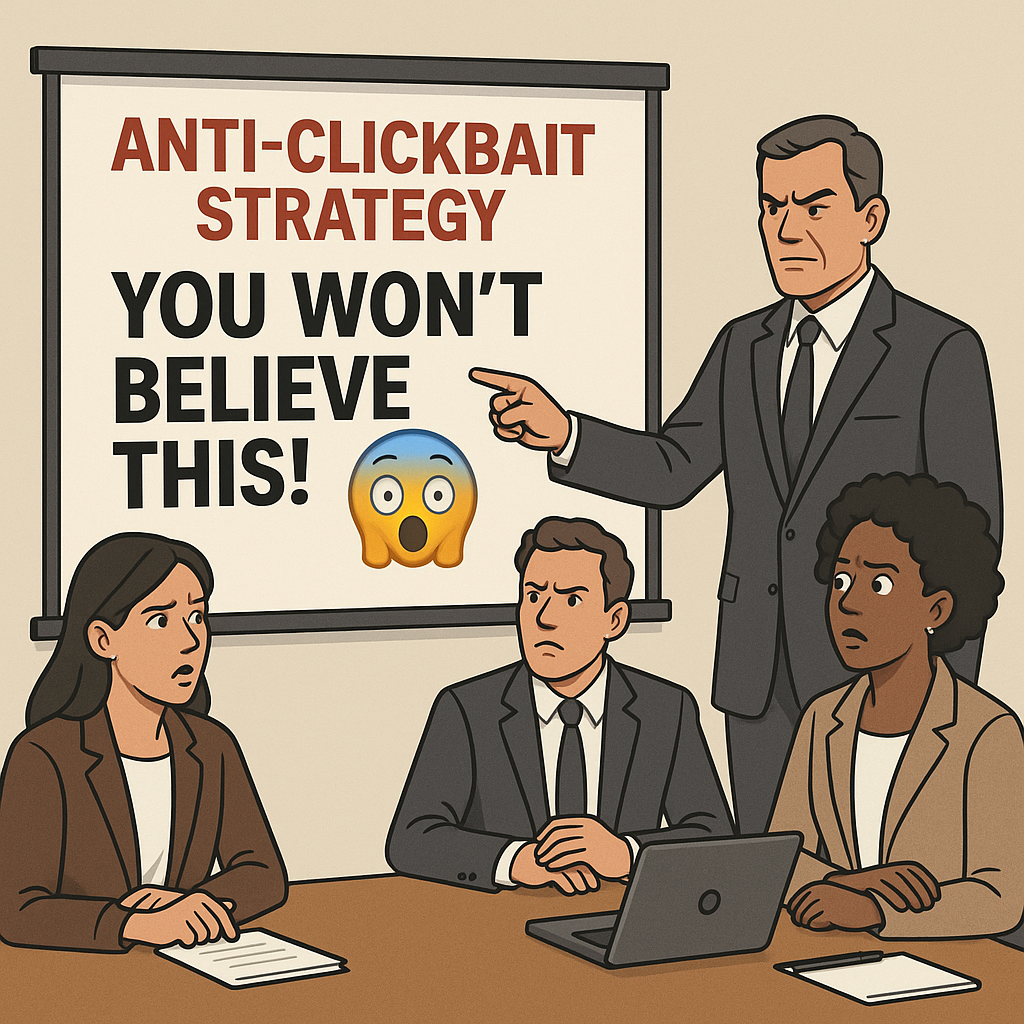
Industry analysts were quick to point out the cyclical nature of X’s strategy. First, pay users to be as loud and shallow as possible. Second, complain that the user base is loud and shallow. Third, change the rules and call it a cleanup. Fourth, roll out a blog post about “our commitment to quality.”
Then, naturally, fifth: quietly reverse it in nine months and pretend the opposite was always the plan.
“This is a textbook platform play,” said fictional-but-relatable social media analyst Dr. Renee Calder, speaking in the solemn tone typically reserved for oil spills and crypto crashes. “X spent years rewarding clickbait, memes, and rage farming. Now that the site looks like the comments section of a conspiracy YouTube channel, they’re shocked — shocked — to find clickbait happening here.”
While TechCrunch’s coverage focused on the payment mechanics, creators on X speculated that the policy was really about reducing how much the company owes to accounts that successfully hacked the platform’s incentives more efficiently than its own algorithmic team.
“They literally told us: ‘Post more, drive engagement, you’ll get paid,’” said one user, who requested anonymity and used the handle @FactsFromTheFuture. “So I did that. Now they’re like, ‘Your engagement is low quality. Also, we’re keeping your money. Also, subscribe to Premium+ to boost your replies.’ This is like a casino telling you they don’t like how you win.”
In a leaked internal deck allegedly circulated within X’s monetization team, the company outlined acceptable and non-acceptable forms of engagement:
- Acceptable: Long, substantive threads that end with “By the way, I run a newsletter.”
- Acceptable: Paid subscription feeds where you get 20% more opinions and 40% more typos.
- Unacceptable: Screenshots of other platforms doing better jokes.
- Unacceptable: Obviously fake giveaways promising money X does not have.
- Borderline: Posts that say “Not clickbait” in the first line. (Subject to vibe review.)
Users remain unconvinced that X can actually identify “clickbait” in any consistent way. For years, the platform’s algorithm has treated the following stimuli as equally important:
- a major election
- a global catastrophe
- a photo of a cat near a bowl of pasta
- a guy posting “this app is done” for the 47th consecutive week
Now, the same codebase that can’t tell a news article from a meme is allegedly going to distinguish between “thoughtful commentary” and “like and repost if you breathe oxygen.”
“So if I post, ‘You won’t believe what happens next…’ but then actually deliver a useful, well-sourced thread, is that clickbait?” asked user @ReasonableTake. “Or is clickbait only when I say ‘You won’t believe this’ and then it’s a picture of Elon Musk with a flamethrower riding a Doge-themed Cybertruck through Times Square?”
X has so far declined to answer, presumably because that second option would be fast-tracked to the Explore tab.
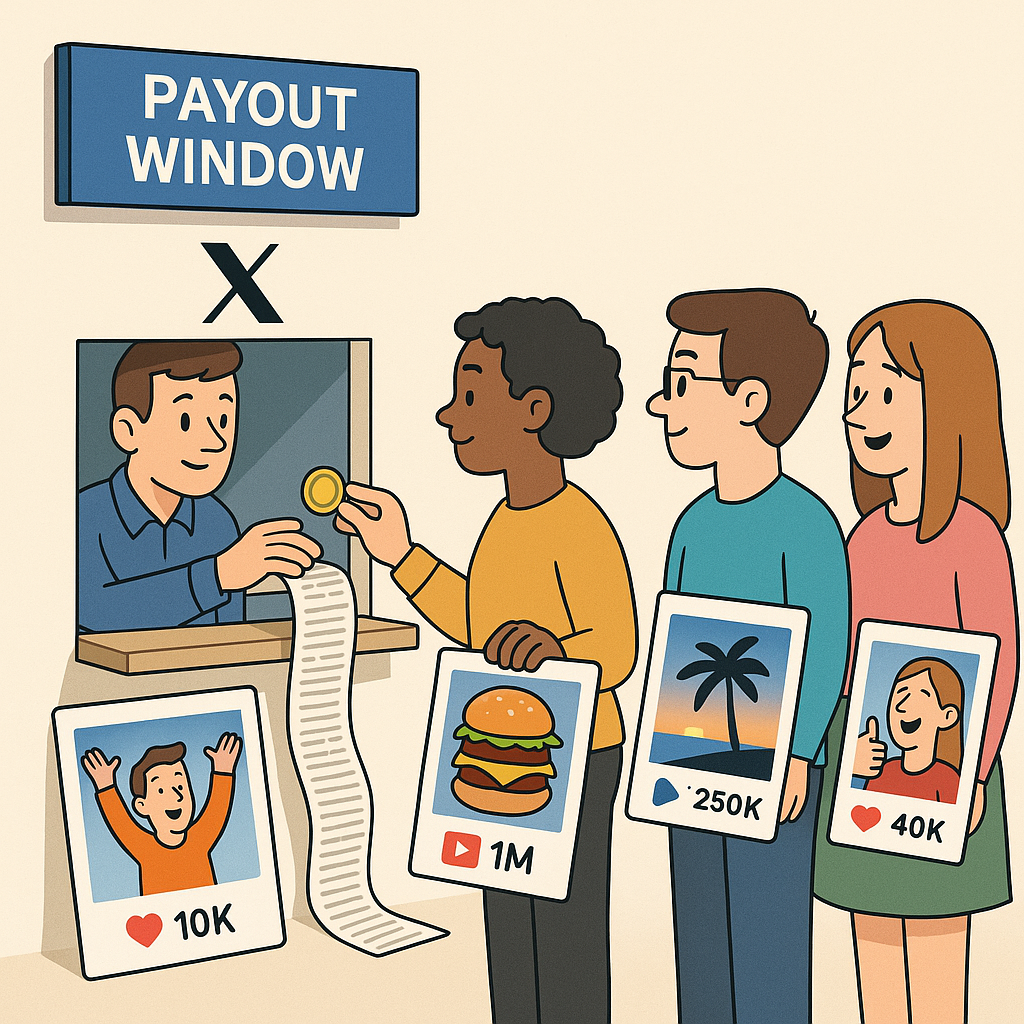
For now, the clickbait crackdown appears to have produced one clear winner: X itself. By announcing sweeping changes with almost no concrete detail, the company has generated enormous engagement from creators frantically asking how their payouts will be affected. They are, ironically, producing exactly the kind of content X can now classify as “low quality” to justify not paying them.
“We’re seeing record engagement today,” an X employee allegedly wrote in a private Slack channel. “Everyone is quote‑tweeting the TechCrunch article about reducing payouts, arguing about whether they’re clickbait. The best part? None of those posts count as ‘original content’ in our new policy framework.”
As the dust settles, one question remains: if X really wants to get rid of clickbait, will it eventually have to demonetize itself—starting with the announcement, amplified by outlets like Turks.us, that promised a glorious purge of low-effort content and instead gave us the most profitable thing of all?
A week from now, users will likely be back to scrolling through:
- AI-generated threads about “how to be a millionaire by waking up at 4:03 a.m.”
- Blurry screenshots of other people’s jokes, watermarked with a new username
- Yet another post saying “this place used to be better” from someone who has never logged off
And when they ask what happened to the war on clickbait, X will probably reply with a familiar answer:
“You won’t believe what we did next. Click to find out.”