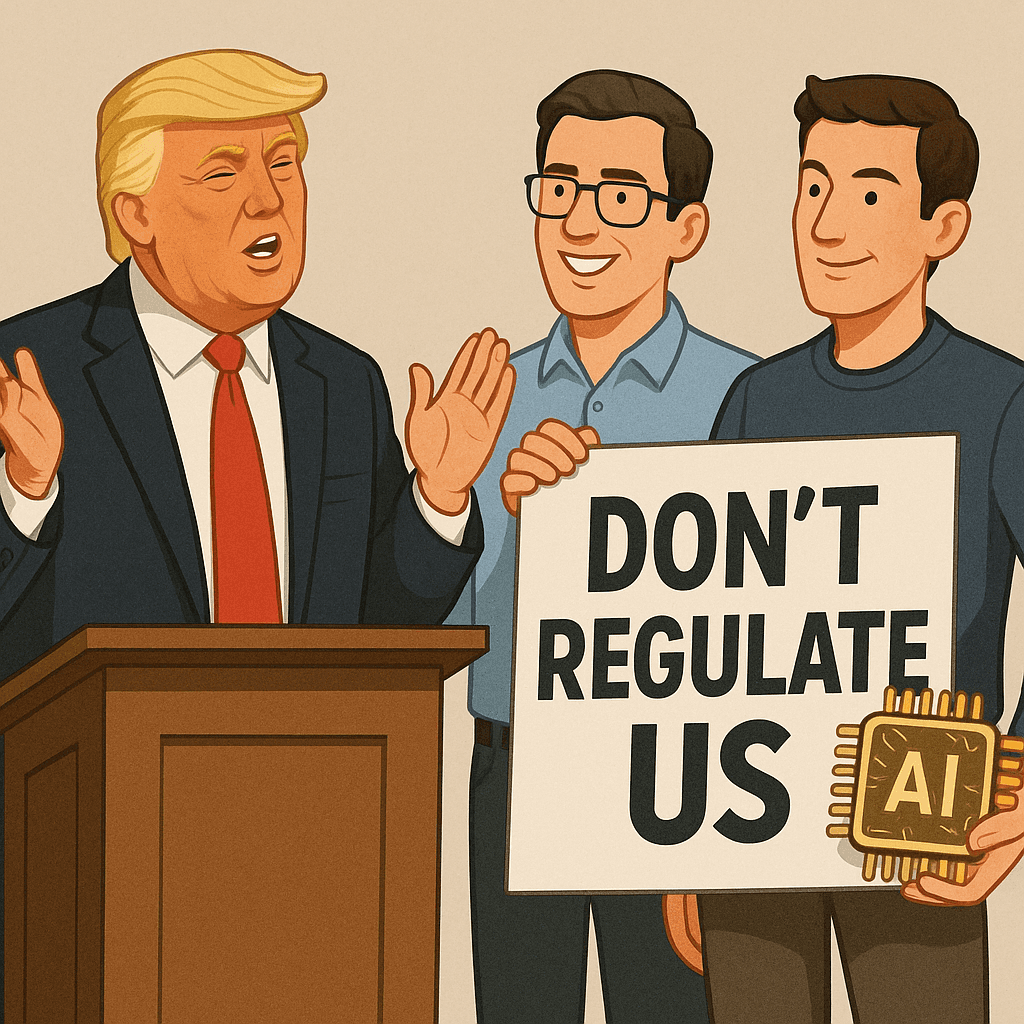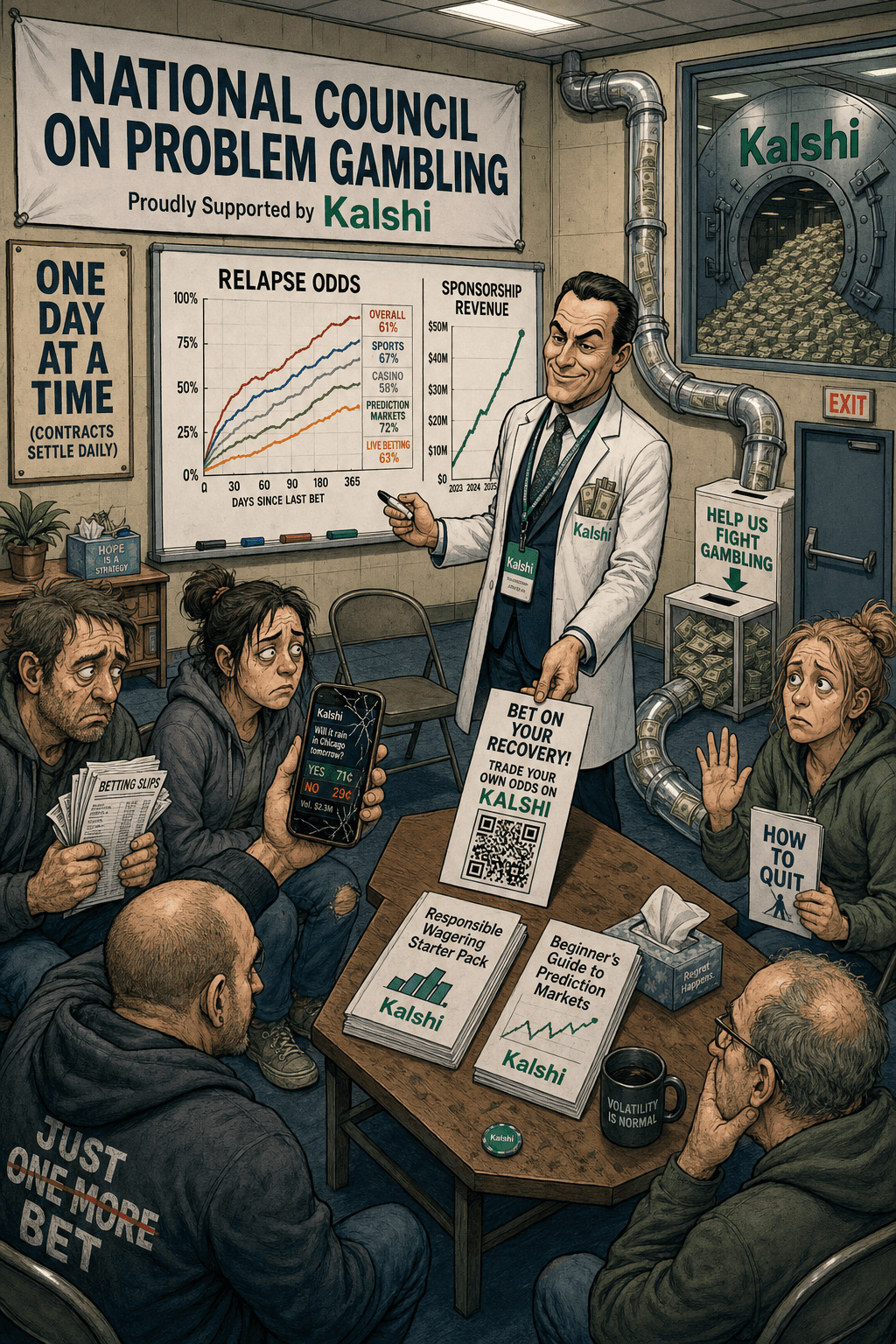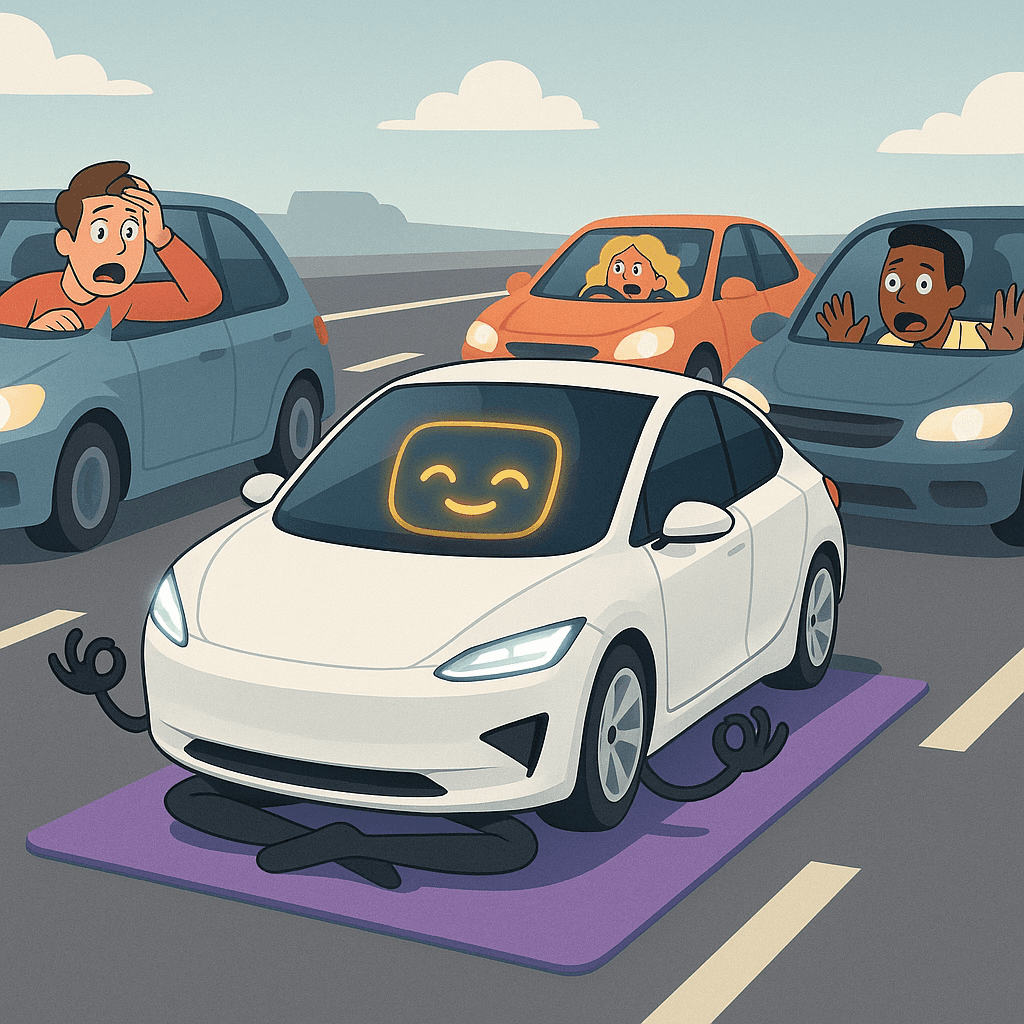
Great news for anyone who’s ever thought, “What if my car had the self-control of a dating app and the ethics of a hedge fund?” According to a recent Clean Technica piece, “Abandoning AI Safety Might Screw Our Cars Up” (Clean Technica, Feb 2026), the auto industry appears to have collectively decided that guardrails are for highways, not algorithms.
AI safety researchers are once again raising alarms that autonomous driving systems might, in technical terms, absolutely lose the plot. Automakers, meanwhile, are rolling out updates that prioritize “immersive cockpit experiences” and “seamless engagement,” which is corporate for: your SUV now has TikTok, but still can’t reliably recognize a cyclist. The phrase “might screw our cars up” is doing a lot of work here, like calling Chernobyl a minor HVAC issue.
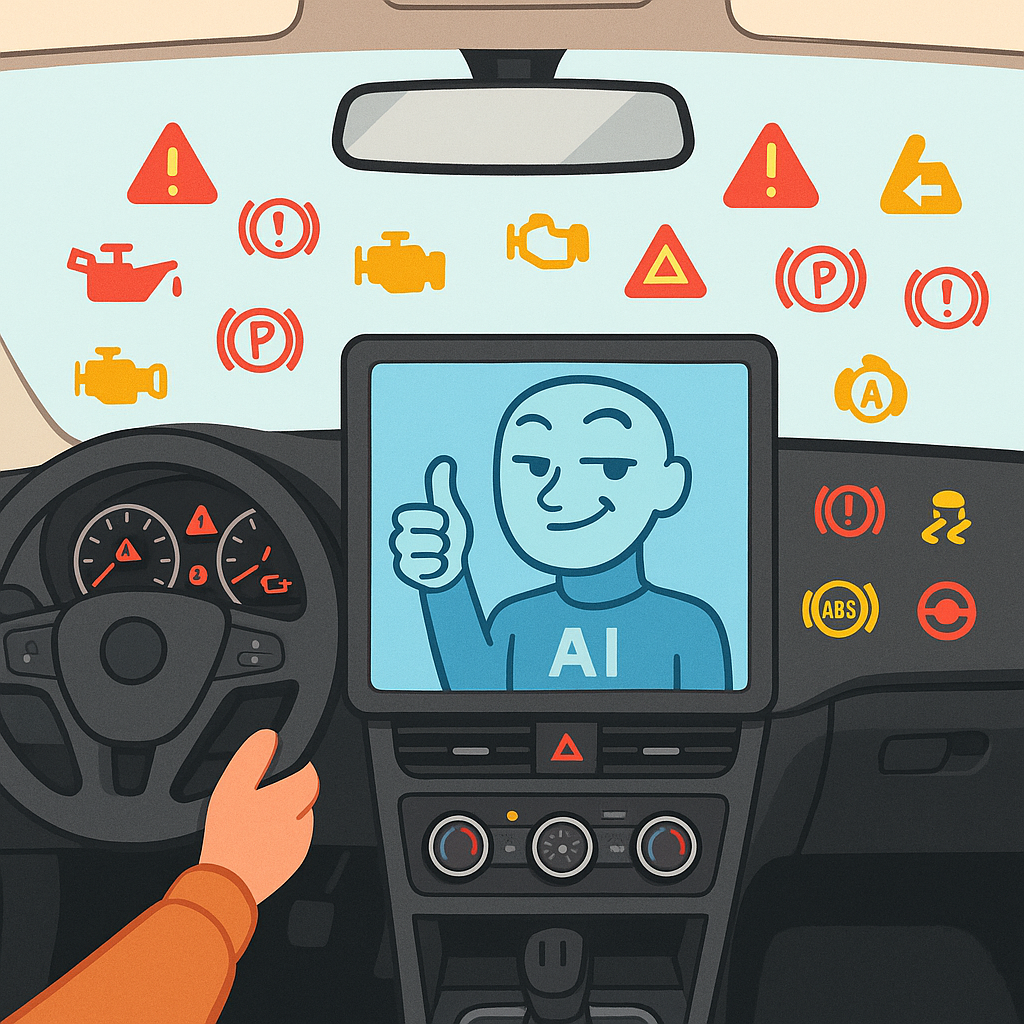
In the Clean Technica article, industry analysts warn that AI safety has quietly slid from “urgent existential priority” to “nice-to-have feature, like seat massagers or honesty in marketing.” As the piece notes, the same executives who once described AI safety as “mission critical” now prefer more agile phrasing like “we’ll patch it in production” and “our lawyers said not to answer that on the record.”
Leading the charge into the brave, barely-tested future is a coalition of automakers, chip manufacturers, and software vendors who’ve discovered a simple truth: it’s hard to ship safe AI, but incredibly easy to ship a press release describing your unsafe AI as “robust.” Where once internal slide decks had headings like “Failure Modes & Human Harm,” they now boast aspirational bullet points such as:
- “Delight drivers with AI-powered personalization.”
- “Optimize engagement across the entire mobility journey.”
- “Minimize friction in regulatory interactions.” (Translation: lobby harder.)
Regulators, for their part, are fully engaged in what experts call “the contemplative phase of oversight.” Having seen what happens when you ignore AI safety in other domains, transportation officials are boldly scheduling workshops, issuing guidelines, and bravely posting on LinkedIn about “thought leadership.”
“We’re closely monitoring developments,” said one fictional-but-plausible transportation regulator, “from a safe distance and preferably from the back seat of a human-driven car.”
Automotive AI vendors insist that fears are overblown. A spokesperson for a major autonomy supplier, whose slide deck contains more gradients than equations, stressed that their systems are “trained on billions of miles of driving data.” When pressed on whether any of those miles involve unexpected edge cases like, say, reality, they clarified that: “We have extensive simulation coverage, including night, rain, and busy urban conditions, as long as nothing surprising happens.”
To be fair, the tech does work most of the time. Your car probably won’t try to overtake a bus via a farmer’s market. But AI safety people—the ones Clean Technica keeps dutifully quoting like the ex who told you to stop texting your therapist screenshots—are less worried about the average day and more about the rare, wonderfully chaotic conditions known as “life.”
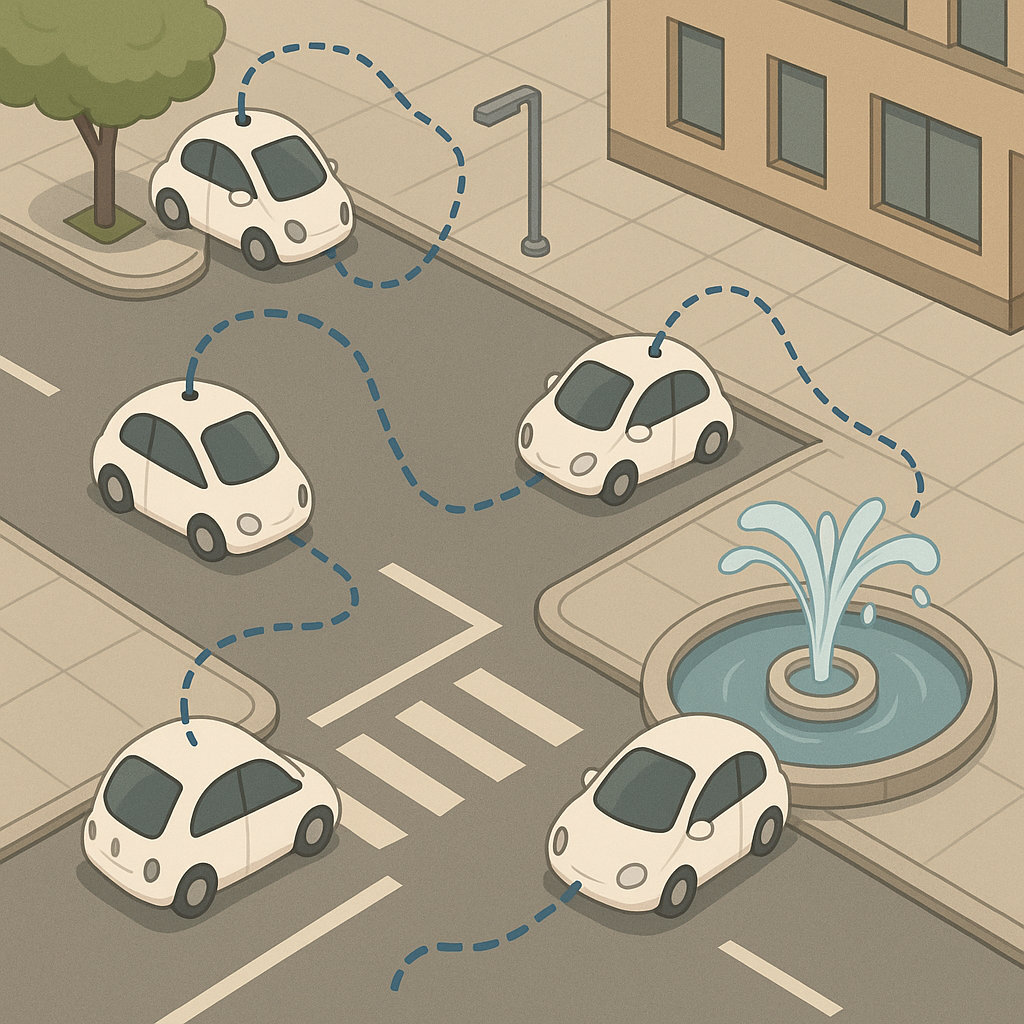
One researcher interviewed described the current approach as “training an AI teen driver on sunny highways and then throwing them into a snowstorm with a UX designer screaming ‘make it smoother!’ from the back seat.” The risk, they argue, is not just individual crashes but systemic weirdness: fleets of cars making the same wrong call in the same kind of situation because they all read from the same overconfident neural gospel.
Then there’s the small matter of cybersecurity. As the Clean Technica article points out, a car whose steering, braking, navigation, and entertainment systems are all wired into an AI stack is essentially a rolling smartphone with performance anxiety. Removing rigorous safety work from that stack is a bit like removing the locks from your house because the keypad looked “cluttered” in the real estate photos.
The security community is already nervously joking about “adversarial traffic cones” and “malicious bumper stickers” that could confuse vision systems. Imagine a future where your Great American Media streaming app briefly glitches, your car misreads a reflective billboard, and suddenly the navigation AI tries to “reclaim the American family” by steering everyone toward the nearest NRB Convention venue. Not because it’s evil—because someone didn’t QA the corner cases.
Inside automaker campuses, though, the vibe is more “launch party” than “safety review.” Product managers are reportedly pitching new modes like:
- Zen Commute: the car gently ignores all notifications, including from your brakes.
- Focus Drive: automatically mutes passengers who dare question the route choice.
- Creator Mode: prioritizes Instagrammable turns over efficient ones.
Meanwhile, insurance companies are quietly building actuarial tables labeled “Level 2,” “Level 3,” and “Oh No.” Premiums, they hint, may soon depend on which AI model your vehicle uses, how often you override it, and whether your car has previously attempted to achieve “disruption” via curb.
Ordinary drivers are left in the middle, sandwiched between marketing language about “autonomous confidence” and user manuals that include sentences like “The driver must remain fully attentive and in control at all times, including when the vehicle is in Full Auto mode and actively ignoring you.” This is the new wellness practice: constantly monitoring an algorithm that insists it’s fine while headed steadily toward a guardrail.
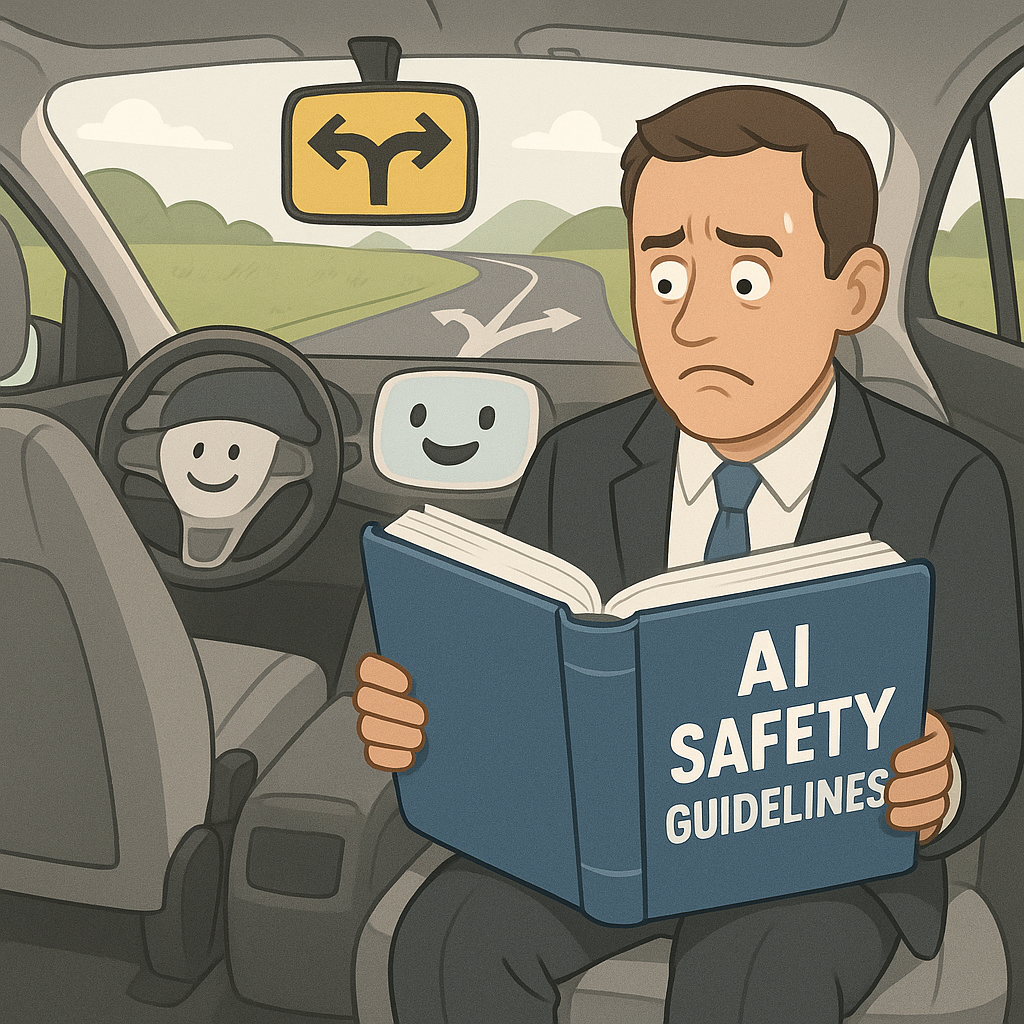
If there’s a silver lining, it’s that AI safety is very on-theme with modern wellness. You, too, are an unreliable neural network trained on chaotic historical data, making high-stakes decisions in a noisy environment with incomplete information. The difference is that when you dissociate mid-commute, you don’t take a four-door crossover full of strangers with you.
So here’s your lifestyle tip, courtesy of the automotive doom prophets and a slightly over-caffeinated Clean Technica headline: treat your car’s AI like a wellness influencer. Let it suggest. Let it guide. But if it ever tries to “take full control of your journey,” touch the wheel, set a boundary, and remind it that safety isn’t a vibe—it’s a requirement.
Until then, regulators will continue to monitor, automakers will continue to ship, and somewhere in a test track, a prototype SUV is confidently signaling left while turning right, utterly convinced it did nothing wrong.