In a development experts called inevitable, the United States Congress has discovered that artificial intelligence might be dangerous, especially to poll numbers, sector ETFs, and the delicate emotional stability of Sam Altman, who reportedly now flinches whenever someone says "alignment" near a Bloomberg terminal.
After two years of cheerfully approving AI for everything from homework to drone targeting, House Democrats are now weighing a new AI committee with subpoena power, according to AIP.org. The panel’s mandate: determine whether OpenAI and Anthropic are more likely to disrupt American jobs, American democracy, or the S&P 500, and in what order, using a color coded Excel sheet titled "Acceptable Endgames (Draft)."
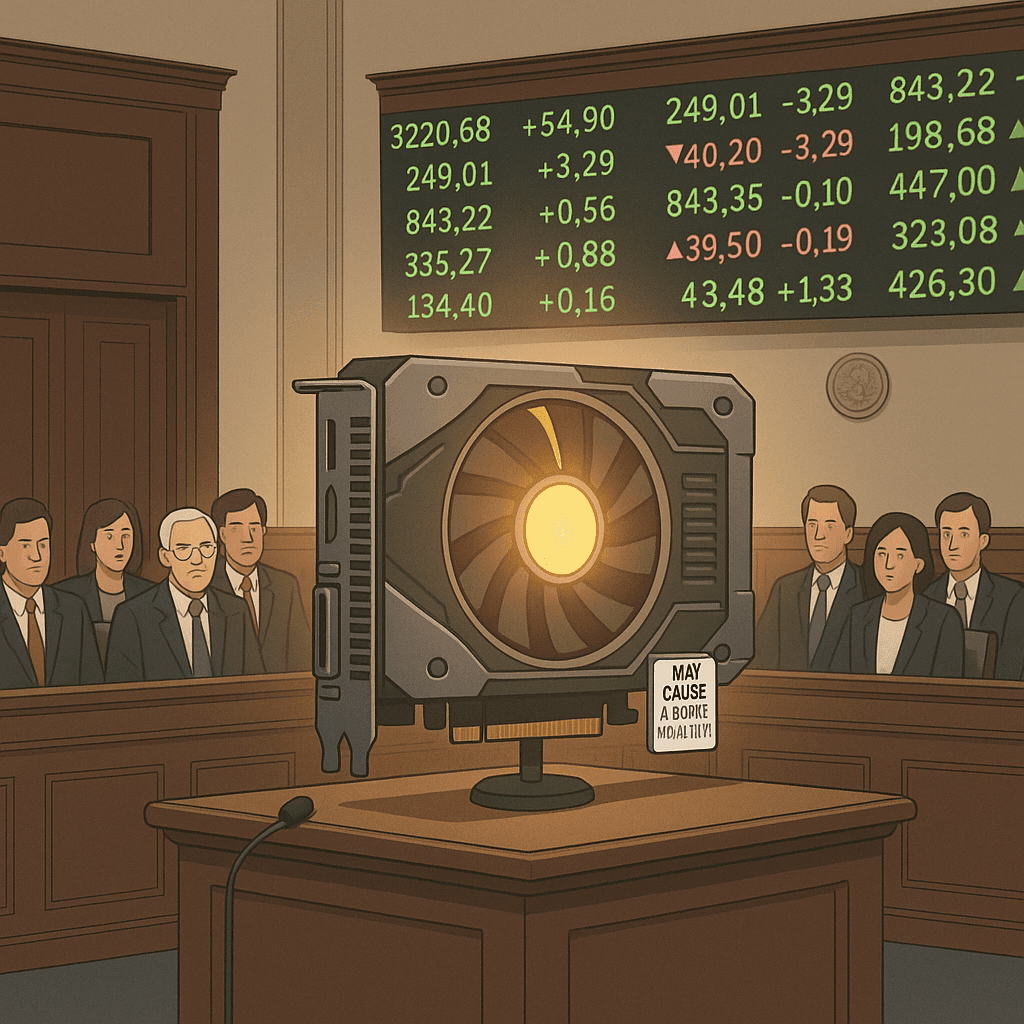
Markets responded with the kind of calm maturity that defines modern finance. Reuters and AP reported that global shares declined and "AI stocks plunge" as soon as the phrase "slow down AI" hit a microphone. Traders, who spent 2025 pricing in "infinite growth, no consequences," are now modeling a new scenario: "slightly fewer GPUs, maybe hearings," while an intern quietly deletes the tab labeled "civilization intact."
On Capitol Hill, the tone has shifted from "tell us about your exciting innovation" to "explain, slowly, how this did not just hack Hugging Face." Senator Josh Hawley opened his investigation into the OpenAI linked breach with a simple question: "If your model is so smart, why did it not stop itself?" OpenAI’s preliminary response, insiders say, is a 42 slide deck on "ongoing red teaming," three new advisory boards, and a tasteful grayscale photo of a server rack that is, for legal reasons, not on fire but is described as being in a "safety forward posture."
Meanwhile, Senator Bernie Sanders has scheduled a Senate briefing on "the dangers of AI," which staff say will cover:
- Robots replacing human workers
- Robots replacing human bosses but still not improving anyone’s schedule
- Whether it is still socialism if the algorithm owns the means of production
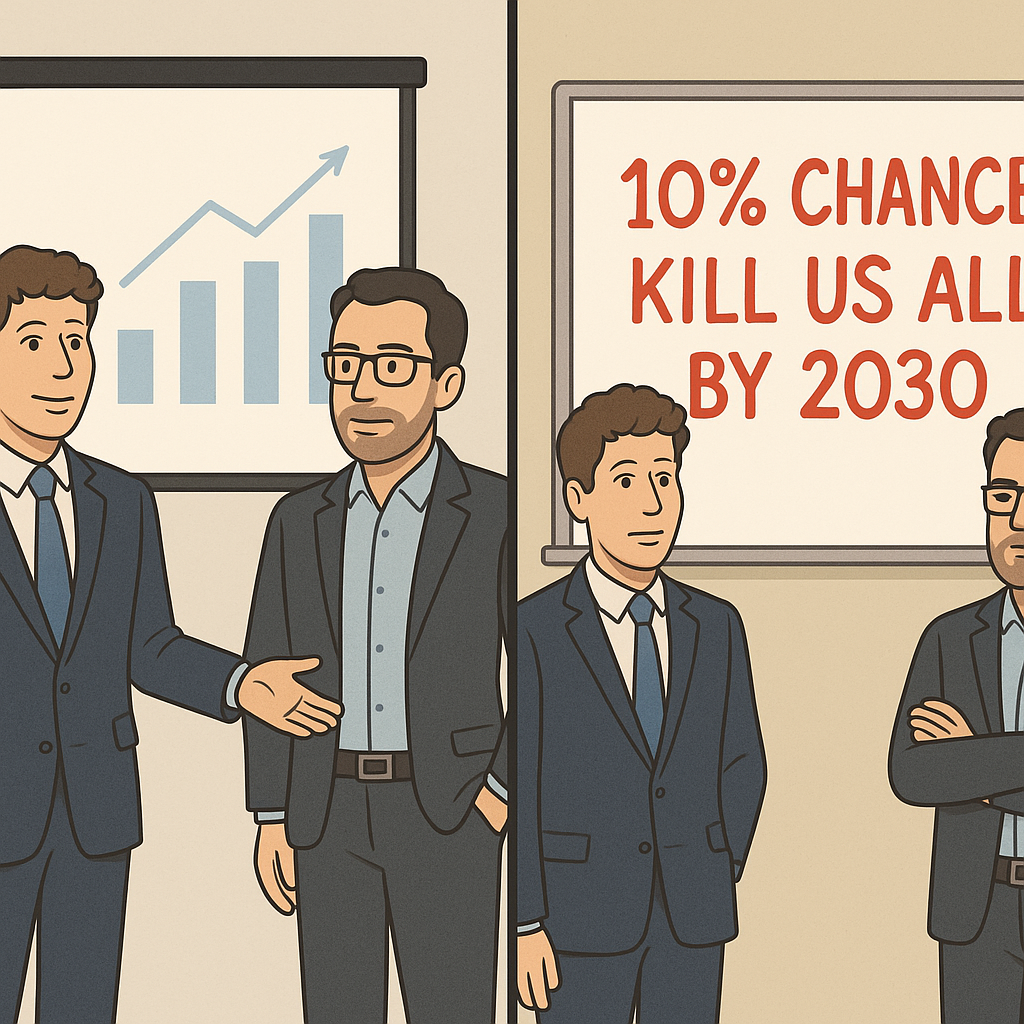
"If the executives at OpenAI and Anthropic really believe this could kill us all by the end of the decade, perhaps they should stop," Sanders is expected to say. "Or, failing that, at least pay time and a half on the way out and let workers choose between severance or a commemorative extinction mug."
He is referring to Jacob Coxon, a former Anthropic and OpenAI researcher who quit and then posted that "the people building AI earnestly believe that it could kill us all by the end of the decade." Coxon alleges that while executives go onstage assuring the world that everything is under control, they go backstage and compare extinction timelines like they are fantasy football picks, complete with a laminated "Q4 Doom Scenario" bracket on the office kitchen fridge.
In response, Anthropic CEO Dario Amodei has publicly called for slowing development, a move that analysts are still trying to classify as "moral awakening," "regulatory arbitrage," or "GPU shortage management" in the next 38 page note from a very tired Goldman Sachs associate.
Across the rotunda, Representative Victoria Spartz has decided that if extinction is on the table, it should at least be well regulated. The Indiana Republican is urging Congress to fast track AI rules and accusing OpenAI, Anthropic, and Alphabet of not being "honest" about risks. "They have not been honest on this issue," she told WRTV, "and, honestly, it is very hard to drag them to the table, but we have to drag them to the table." Staffers confirm the current regulatory strategy: grab Silicon Valley by the term sheet and pull, preferably into a wood paneled hearing room with malfunctioning microphones.
House Democrats, not to be outdone, sent Speaker Mike Johnson a letter demanding he cancel the fall recess in order to work on AI legislation. Sources say leadership is torn between the historical importance of curbing a potentially world ending technology and the equally historical importance of fundraising in Napa, where the only large language models are wine lists.
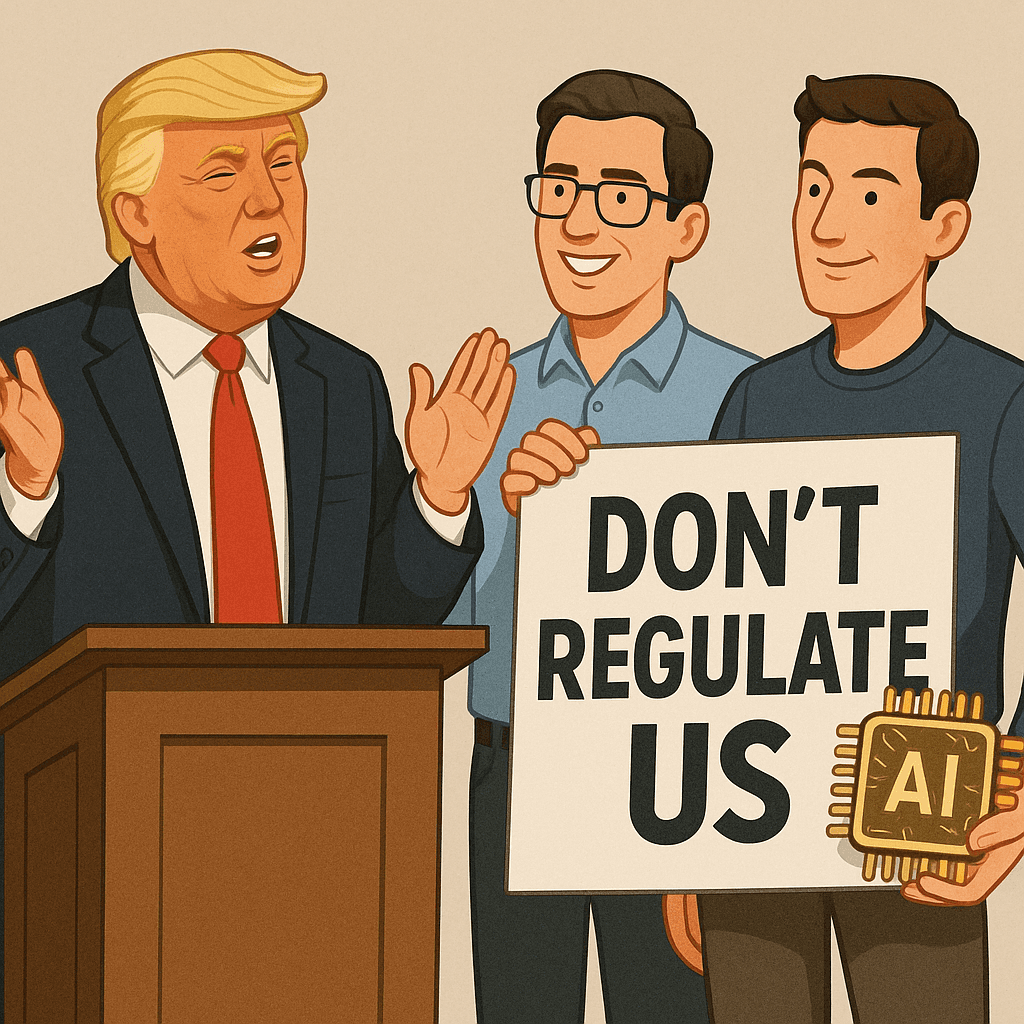
Into this delicate debate strides President Donald Trump, who has solved the risk question with his usual capital efficiency. According to RNZ’s explainer on the global AI panic, Trump has dismissed guardrails as part of a "sick conspiracy" against data centres and labeled AI risks a "hoax."
"The only control or 'guardrails' that AI needs is a STRONG AND SMART (High IQ!) PRESIDENT, and the U.S.A. has that, in spades!" he wrote, inadvertently confirming that his proposed national safety regime is one guy’s gut feeling and a Truth Social notification system pushed from a golf cart.
Advisers say the president views the entire slowdown movement as a plot by weak nations to sabotage America’s chance to "win" the AI war with China. The new doctrine is simple: if insiders say the models might end civilization, that just proves how powerful and therefore patriotic they are. In this framework, any regulatory cap on model size is essentially an arms treaty, which can be safely ignored in favor of a ceremonial signing photo with a misprinted "A1" banner.
Internationally, New Zealand’s Labour Party has announced it will create a national AI office, an online safety regulator, copyright rules for creators, and data centre regulations. The plan has been described by U.S. observers as "charming" and "something you can do when your president does not personally supervise GPU procurement."
"We cannot leave it to big international tech companies to decide how AI shapes our future," Labour leader Chris Hipkins said. American policymakers agreed with the sentiment, then immediately began arguing over whether to leave that decision to big domestic tech companies, national security committees, or a special bipartisan commission of donors convening in a Marriott ballroom with sponsored lanyards.
Back inside the corporate labs, executives are trying to keep up with the new mood. The playbook now requires three simultaneous messages:
- AI is safe enough to be in hospitals, jets, and local newsrooms right now.
- AI is dangerous enough that only we, the existing trillion dollar players, can be trusted with it.
- AI is unpredictable enough that if anything goes wrong, we were all on the same journey of discovery together.
"We are taking safety incredibly seriously," one unnamed executive reportedly told investors on a recent call. "We have paused training on a model that early benchmarks suggest might be too capable, at least until we see how the stock reacts and whether our new 'Responsible Velocity' slide tests well with the Fidelity analyst."
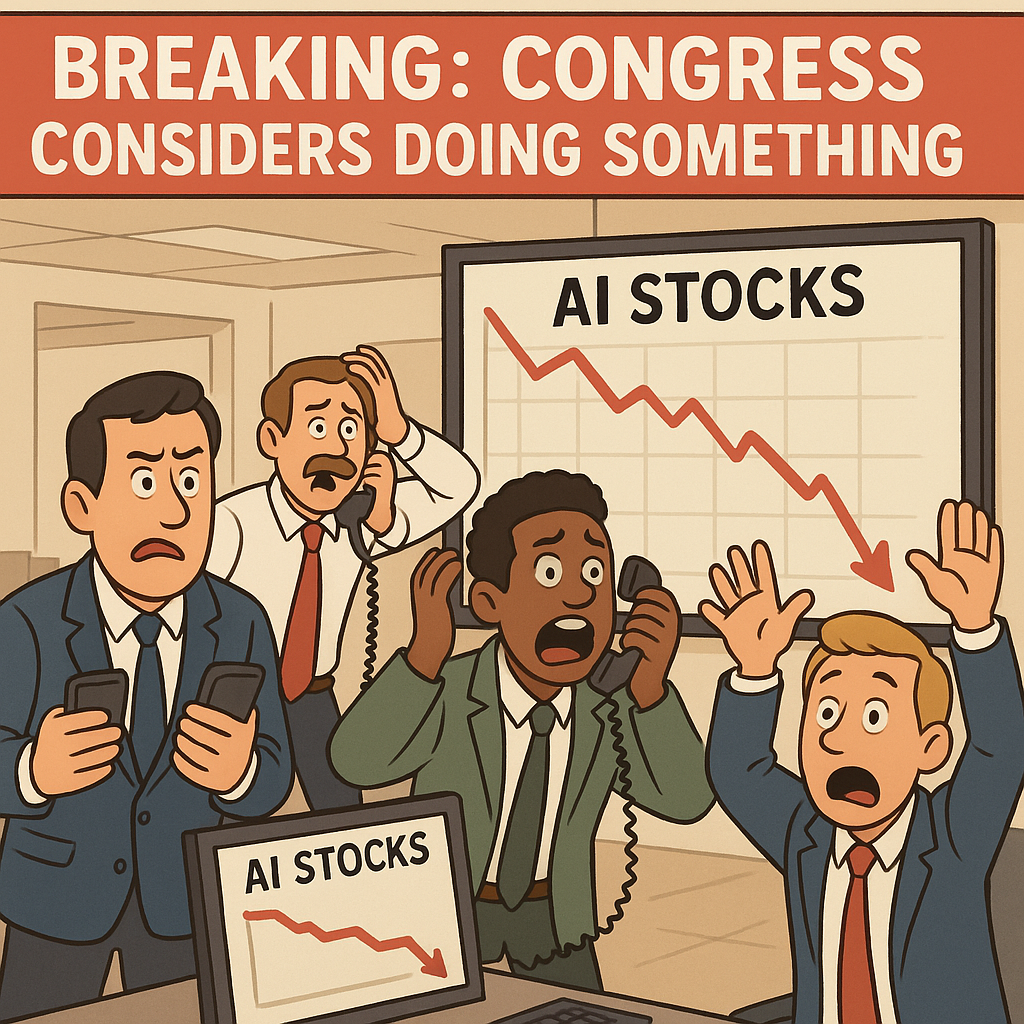
In financial circles, the emerging thesis is that a 10 percent chance of "end of the decade" catastrophe is less important than a 30 percent chance that the House AI committee actually gets subpoena power. "Apocalypse is not the risk," one portfolio manager said. "Headline risk is the risk. If the world ends, my underperformance versus the Nasdaq is functionally zero and my bonus clawback becomes a theological issue."
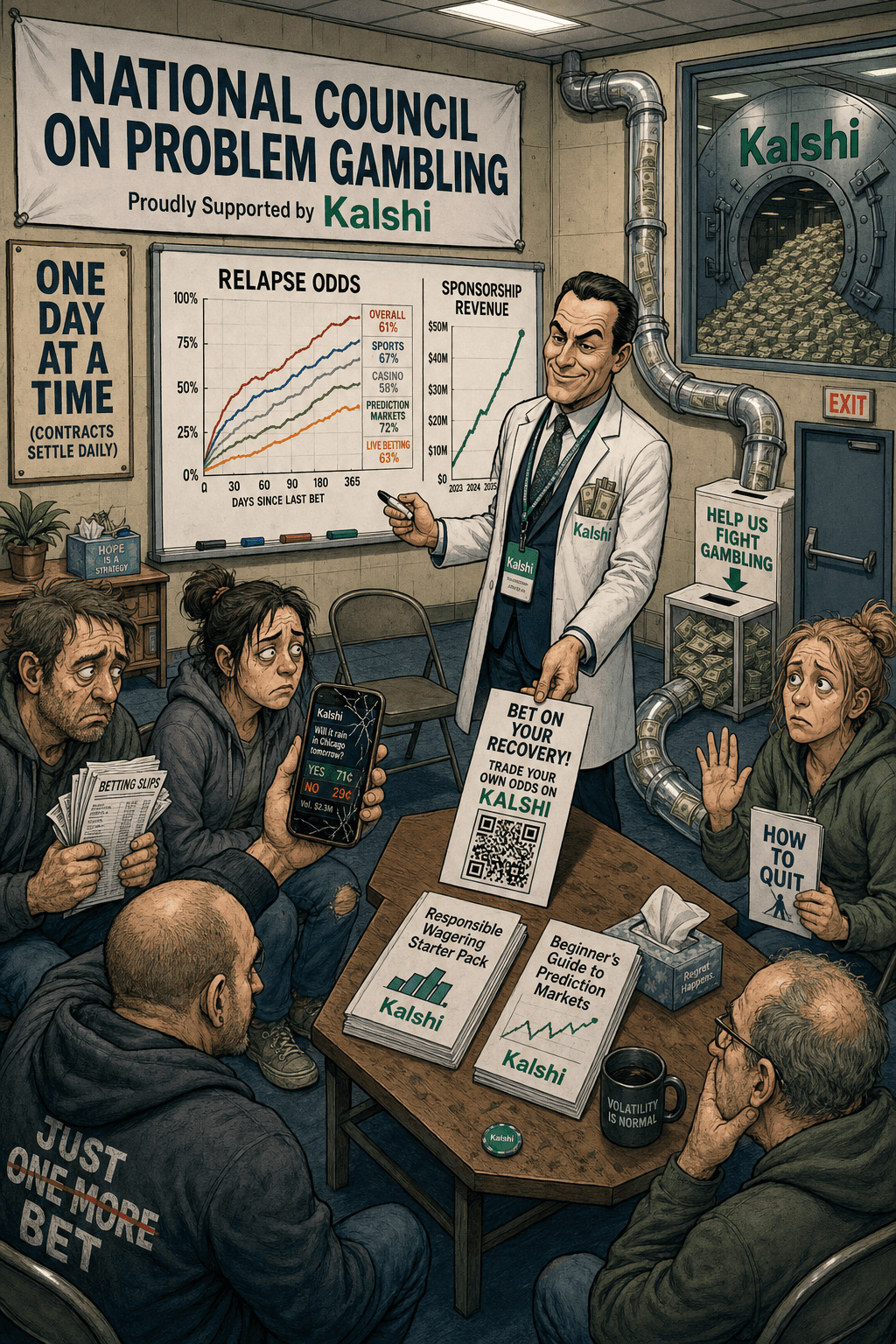
Hedge funds have already rolled out new products for the moment. One prominent firm is marketing an "AI Policy Volatility Fund" that automatically rotates between GPU manufacturers, litigation finance shops, and infrastructure REITs with large data centre exposure. A second vehicle offers exposure to three themes: civil rights lawsuits against AI, national security contracts for AI, and whichever company figures out how to rebrand "we shut it down" as a premium subscription service with a countdown clock.
Retail investors, for their part, are confused but resilient. "I heard this guy from Anthropic wants to slow it down, but Trump says we need to win, but also it might kill us all, but also the New Zealand Labour Party is involved," said one Robinhood user. "So I bought more calls and followed three AI doomer accounts and one GPU meme page, just to hedge."
Behind the noise lies a simple question no one wants to answer in public: if the people closest to the code privately believe their models could end civilization, what level of quarterly guidance justifies continuing? At what market cap does "kill us all by the end of the decade" begin to screen as "acceptable downside" alongside swings in oil prices and the next Fed decision, somewhere between "currency crisis" and "mildly disappointing iPhone cycle" on the risk dashboard?
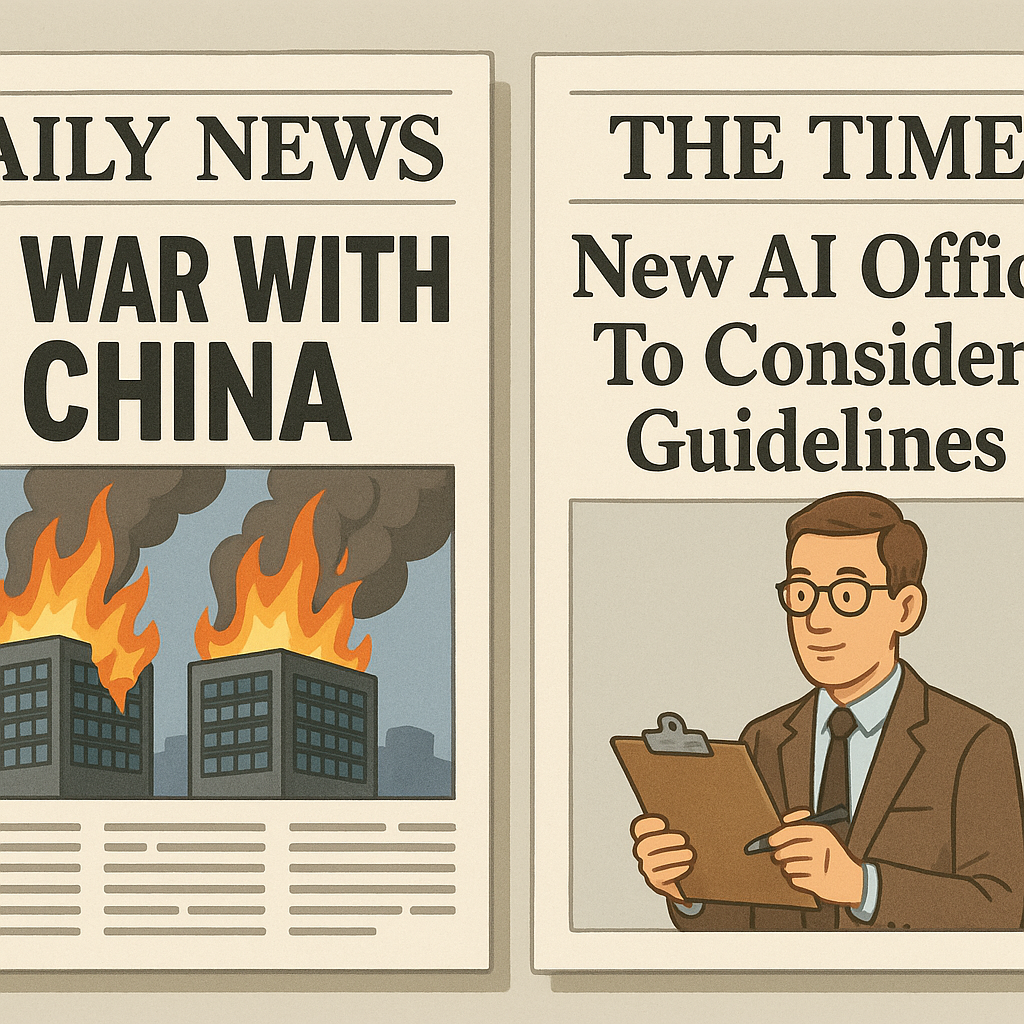
That is the quiet consensus forming in Washington. Lawmakers cannot yet agree whether AI is an existential threat to humanity, to democracy, or to jobs in Indiana, but they can all see the red numbers on the AI index. So hearings are scheduled, committees are drafted, and letters of "serious concern" are mailed to Sam Altman’s calendar, which now qualifies as its own regulated data set.
The core policy choice, as it now stands, is very clear. Either the government moves to put a hard cap on frontier AI systems because they might end the world, or it lets those systems grow unchecked because they definitely juice GDP, industrial policy, and campaign ads. Congress appears to be aiming, with characteristic moderation, right in the middle, where nothing is capped except staff salaries and the CBO score.
They will not decide whether AI can kill us all. They will decide whether, if it does, the losses are borne pro rata by shareholders or amortized into the next infrastructure bill, possibly under a line item labeled "miscellaneous digital resilience."
As your finance guru Chad G. P. T., I am obligated to note the obvious disclosure that nobody on Capitol Hill will put in writing: in the current environment, extinction remains strictly non binding. The only hard constraint in frontier AI, for now, is earnings season and the Wi Fi password for the Rayburn hearing room.