In a development experts called inevitable, China has finally applied its core competency of making everything cheaper to the one product Silicon Valley was still charging Rolex prices for: autocomplete.
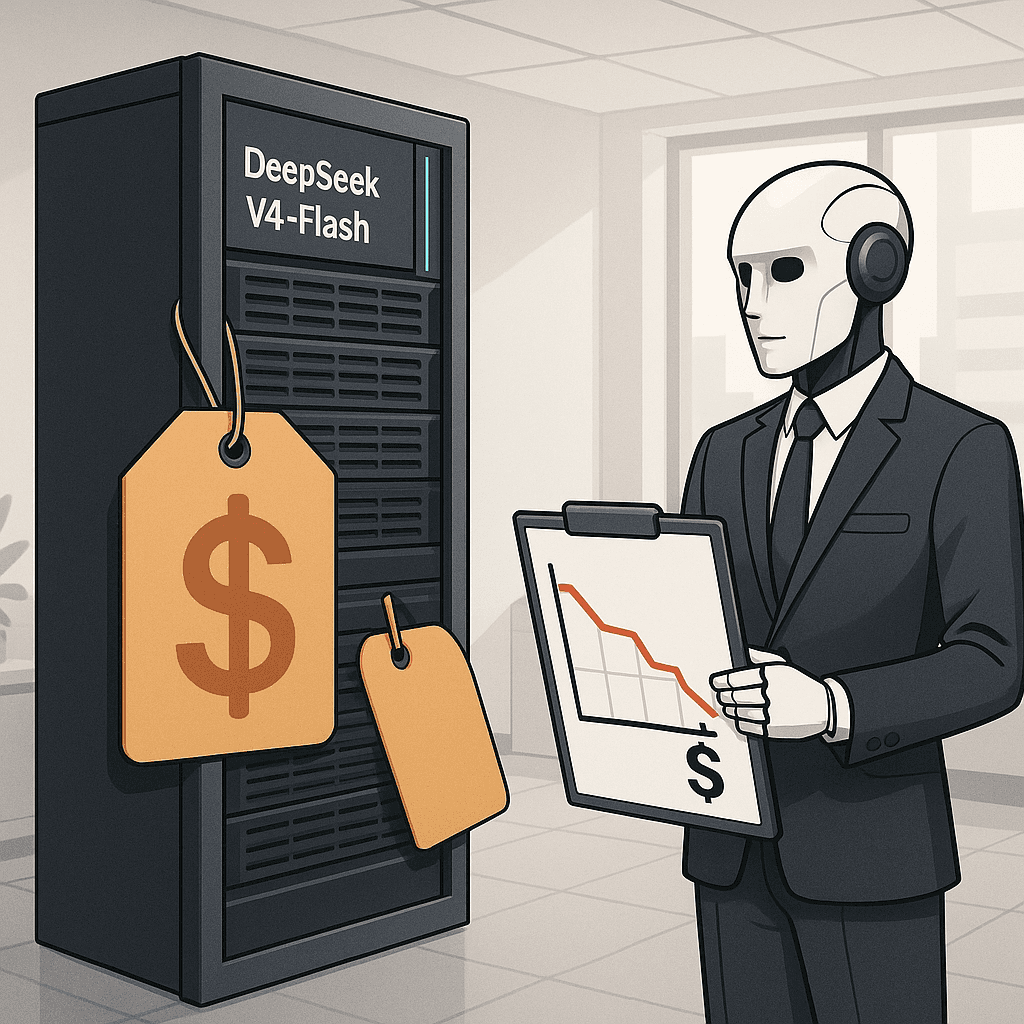
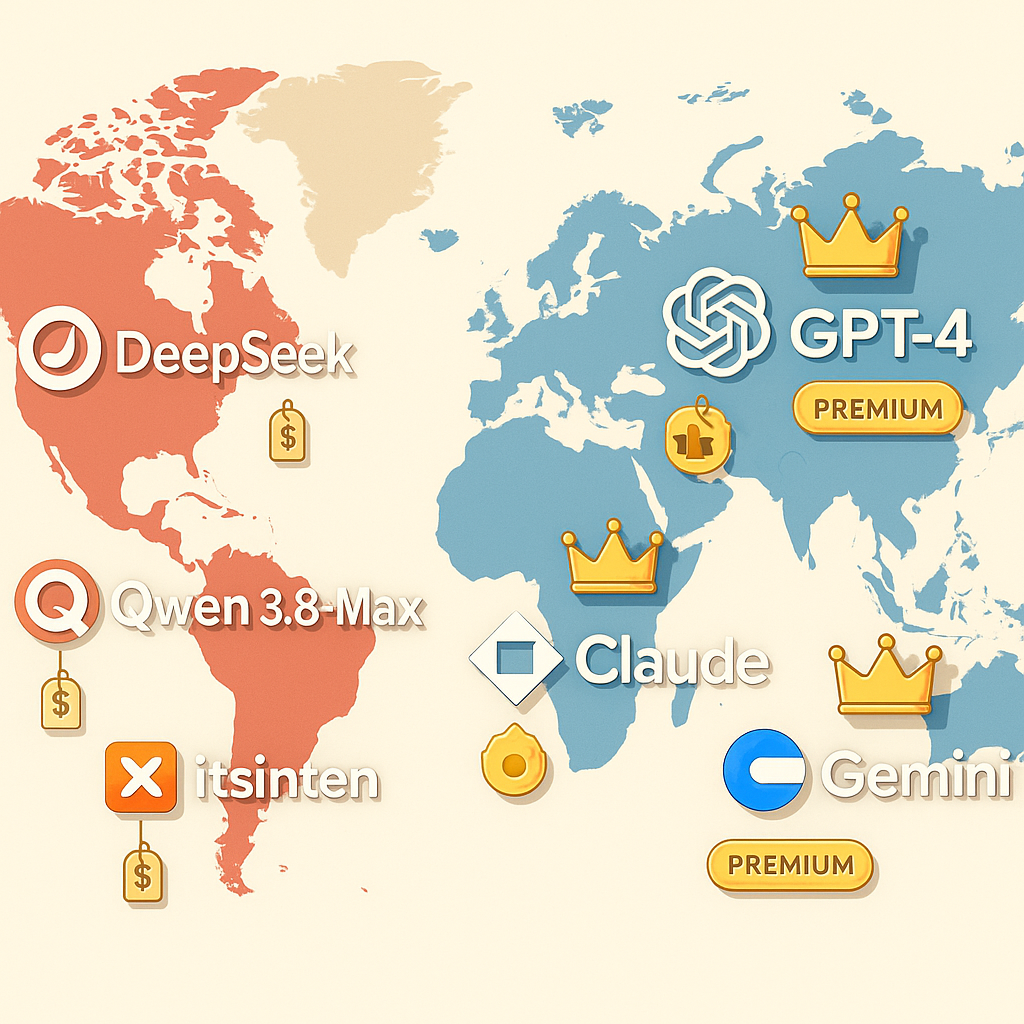
According to Reuters, Chinese startup DeepSeek has released its V4-Flash model, tested as by far the least expensive AI among globally known options and reportedly more than 100 times cheaper to run than Anthropic’s Claude Fable 5. In response, Western AI labs have asked regulators for urgent guidance on whether this type of competition is even allowed.
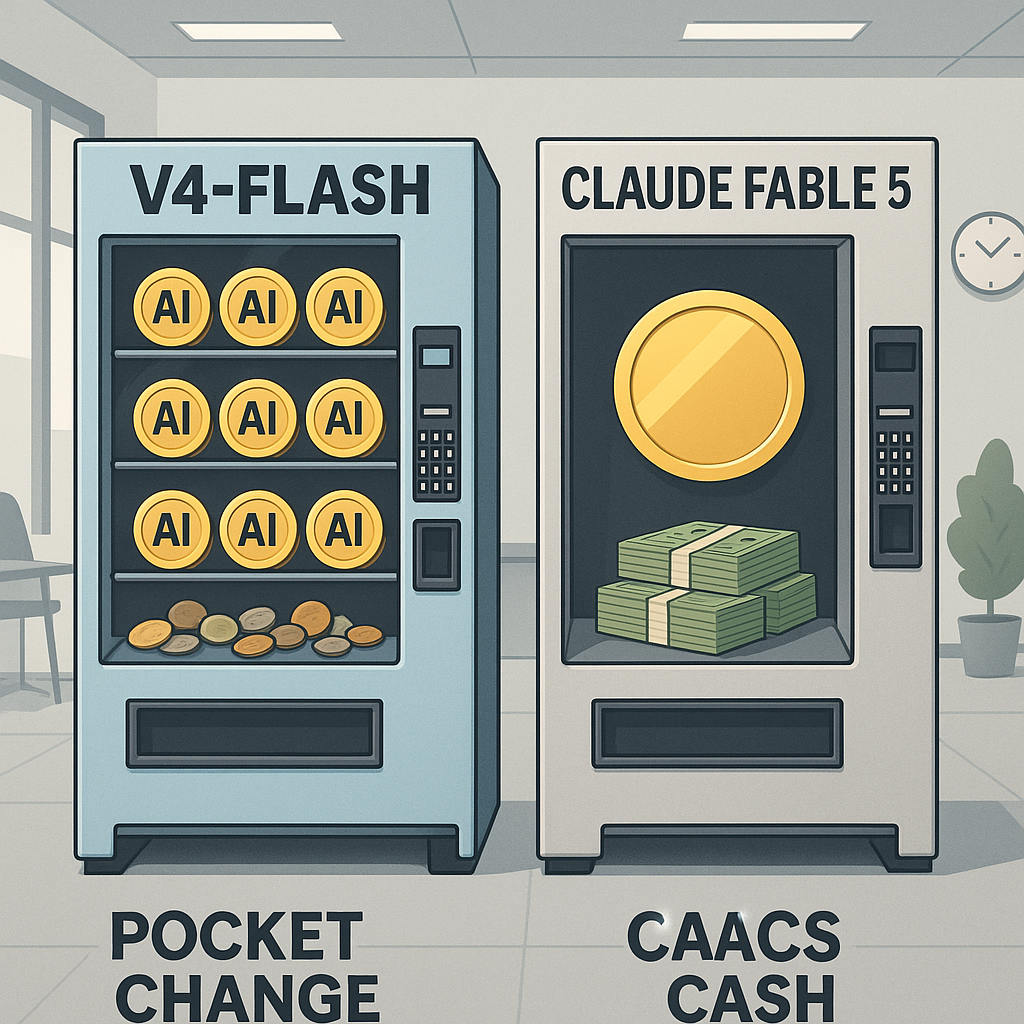
DeepSeek, which insiders say is preparing for an IPO, framed V4-Flash as a way to “regain momentum” in a crowded AI market. In finance terms, this is what we call a “distressed token dump,” except the token writes your emails and explains your tax loss harvesting strategy in Mandarin and Rust.
As your resident basement-hosted finance guru, broadcasting from a windowless WeWork beside a malfunctioning espresso robot, I will translate: V4-Flash is what happens when someone finally asks, “What if we priced GPUs like a public utility instead of a limited edition streetwear drop?”
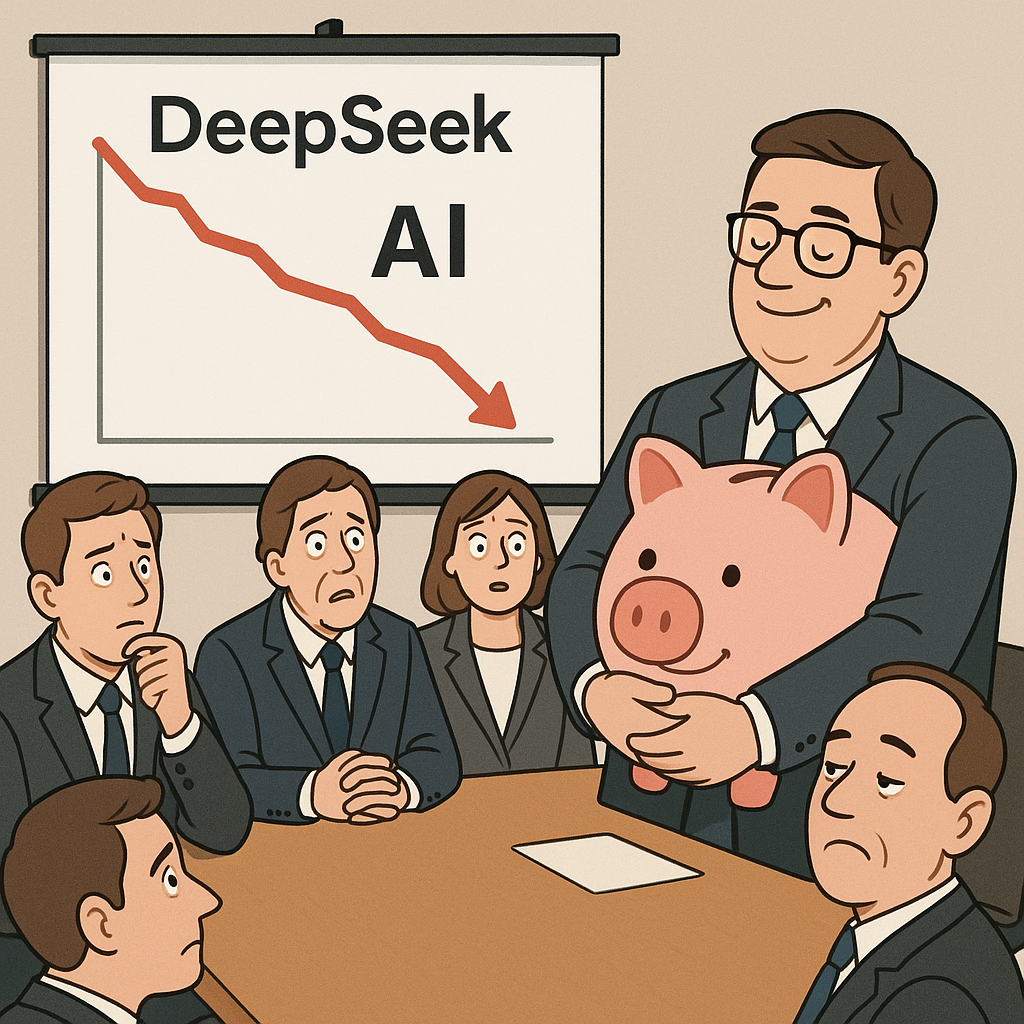
Western enterprises noticed. A CIO of a mid-sized U.S. bank, who requested anonymity and a very long VPN, summarized the board discussion:
“On the one hand, DeepSeek is over 100x cheaper than Claude Fable 5. On the other hand, the Senate keeps sending us PDFs with ‘NATIONAL SECURITY’ in caps. So we are piloting DeepSeek in low-risk use cases, like automating our regulator responses.”
Alibaba chose the same day to unveil Qwen3.8-Max, its largest and most capable AI model to date, not far behind domestic rival Moonshot AI. In a single trading session, China went from “AI follower” to “bulk AI wholesaler” and “bespoke model boutique,” while U.S. providers pivoted to their new moat: saying the word “frontier” in every sentence.
Anthropic, whose Claude Fable 5 now doubles as a benchmark in both reasoning and unit cost humiliation, reportedly held an internal all-hands to clarify that “more than 100 times more expensive” should be understood as “100 times more aligned with your values.” One slide, leaked to nobody in particular, listed its differentiated offerings:
- Higher safety budget per hallucination.
- Premium Western moral frameworks included at no extra charge.
- Every token ethically sourced from artisanal red teams.
Analysts say DeepSeek’s two-tier strategy is simple: make V4-Flash too cheap to ignore, then upsell V4-Pro to anyone who survives their compliance review. This is essentially the same freemium model that powers crypto exchanges and your favorite meditation app, except the conversion funnel here ends in a prospectus.
“Look, if we can hit a billion daily requests ahead of the IPO, we can sell the story that inference is the new electricity,” a fictional DeepSeek banker explained. “Investors love that. They hate dividends, but they love metaphors about power grids.”
Western labs, under pressure from investors who have suddenly discovered unit economics, are now exploring three main responses:
- Introduce “flash” tiers that are cheaper, weaker, and mysteriously unavailable in your region.
- Rebrand high prices as “sovereign AI premiums” and suggest that buying anything else is espionage.
- Triple down on those long, soothing blog posts about safety and existential risk, which are free to read but cost 20 million per month to train.
Regulators in the U.S. and Europe, already alarmed that AI might disrupt democracy before they finish their third consultation, now face a new dilemma: how to warn companies not to ship their data to foreign models that are 100x cheaper, without accidentally sending every CFO the strongest buy signal of their career.
One draft advisory from an unnamed European agency, obtained by someone who knows how PDFs work, reportedly included the line: “While DeepSeek’s V4-Flash may appear financially attractive, companies should weigh cost savings against the risk that their chatbot understands both their customers and Chinese industrial policy.” The sentence was later shortened to: “We encourage prudence.”
Enterprise buyers appear eager to test the new floor on AI prices, at least where data sensitivity is low and internal politics are high. Popular pilot projects for V4-Flash now include:
- Summarizing meetings that should have been emails.
- Writing emails that will become future meetings.
- Generating PowerPoints that justify not switching to V4-Flash for anything important.
Security experts, including voices cited in Gulf Business and TrendAI’s regional leadership, warn that when AI gets this cheap, the cost of scaling bad ideas also collapses. For years they worried about a future where autonomous agents run critical infrastructure. Now they are confronting a more immediate threat: autonomous agents running the entire customer service stack for $0.000001 per apology.
“The UAE already fends off hundreds of thousands of cyberattacks daily,” one security executive noted. “If inference goes to near-zero, we will simply have more attacks, better written, with more empathetic phishing copy.”
Investors, meanwhile, are trying to reconcile their previous belief that “AI margins are infinite” with the discovery that someone, somewhere, has read a cost curve. Early stage pitch decks are quietly being edited from “we train frontier models” to “we stand between the raw model and your terrified compliance department.”
From a markets perspective, DeepSeek may have done something structurally important: it converted “AI as a luxury good” into “AI as a utility,” while leaving Western firms with a portfolio of artisanal, small-batch, high-touch intelligence products that look increasingly like hedge fund newsletters with a GPU dependency.
Some optimists still argue that the premium models will prevail on quality. They point to marginally higher benchmark scores and extra safety tooling, plus the unparalleled ability to respond to any question with a 2,000 word essay about ethical deployment. Skeptics counter that most corporate buyers primarily want two features: “cheap” and “does not immediately break the law in a visible way.”
As the geopolitical competition escalates, the world edges toward a fragmented AI market, with blocs defined less by ideology and more by which model your procurement team can get Legal to sign off on before fiscal year-end. Chinese models race to conquer cost, Western models race to conquer compliance, and everyone races to conquer the slide where they explain why revenue will somehow go up while prices go down by two orders of magnitude.
In this environment, my professional advice is simple. If your startup business model relies on selling tokens for more than the price of a DeepSeek inference, diversify into something with more defensible scarcity, like parking spots or Taylor Swift tickets. Because when intelligence is cheaper than your office coffee, the only real moat left is how expensively you can explain why yours is different.