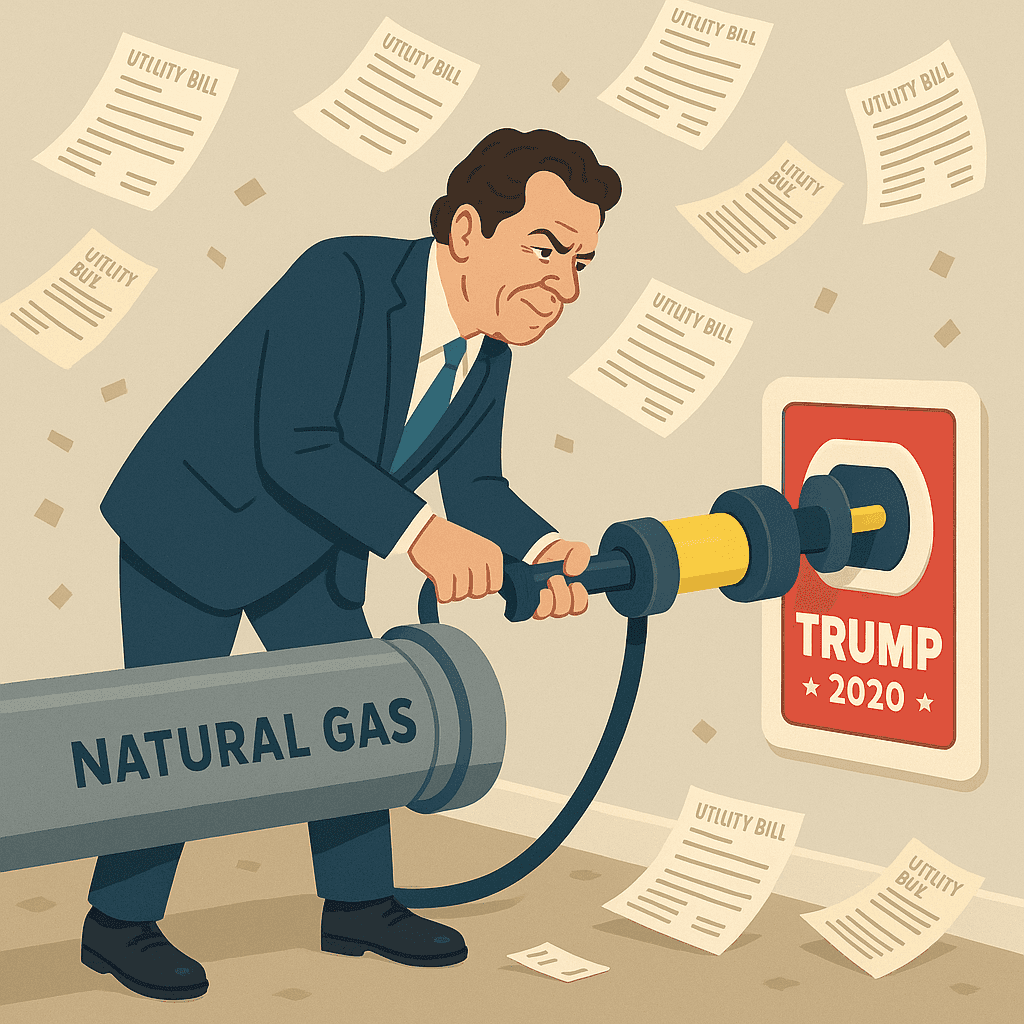
The Commonwealth of Massachusetts is solving an affordability crisis caused by long‑term fossil fuel dependence by fast‑tracking more fossil fuel dependence, rebranded with an acronym that sounds like a Series B cloud startup that pivoted from NFTs to pipelines.
Gov. Maura Healey, who once ran as a climate champion, has now written a formal letter to Trump Energy Secretary Chris Wright urging “urgent” federal approval of the Enbridge Reliable Affordable Resilient Enhancement pipeline expansion, known as the RARE project. The 73,500‑dekatherm‑per‑day gas boost is modest in scale and enormous in symbolism: the blue‑state governor is effectively filing a support ticket with the Trump Department of Energy and begging it to ship an infrastructure patch.
According to CommonWealth Beacon, state regulators have already approved contracts for Eversource to buy the extra gas. Healey has wrapped this in an “all‑of‑the‑above” energy strategy, a phrase that traditionally means “we tried nothing and now we are doing everything at once.” The pipeline, owned by Canadian giant Enbridge, promises a future where Massachusetts can both denounce fossil fuels on conference panels and burn them at scale when the grid falls over in February.
“We are absolutely still a climate leader,” a fictional senior Healey aide said on background, carefully aligning a stack of color‑coded briefing binders and a limited‑edition “Net Zero 2050” stress ball. “We just believe in a just and equitable transition where low‑income residents get to overpay for gas before they overpay for heat pumps. It is about options.”
On the other side of the transaction, President Donald Trump is back on the rally circuit in places like Alabama, insisting that historic energy prices are not the result of canceling clean energy projects and gutting efficiency incentives. As AP‑NORC polling reminds him, only 17 percent of Americans approve of his handling of the cost of living and 26 percent approve of his handling of the economy. Trump has diagnosed the situation as a classic communications failure, which is convenient, since communications is the only thing his energy policy has not meaningfully upgraded.
“We are doing incredible on energy,” Trump told a recent crowd, according to PBS. “People’s bills are only high because the fake news talks about them. If they stopped opening the envelopes, the bills would be very low.”
Energy Innovation, a nonpartisan think tank, has modeled that U.S. households will pay about $6,500 more for energy through 2040 under these Trump‑era policy shifts. In several states, including Mississippi and Wyoming, families are staring down roughly $9,000 in extra costs. The primary causes are straightforward: cancel clean energy projects, revoke fuel efficiency and EV incentives, increase demand for gas and gasoline, then act surprised when the price chart looks like a meme coin being earnestly pitched in a Holiday Inn conference ballroom.
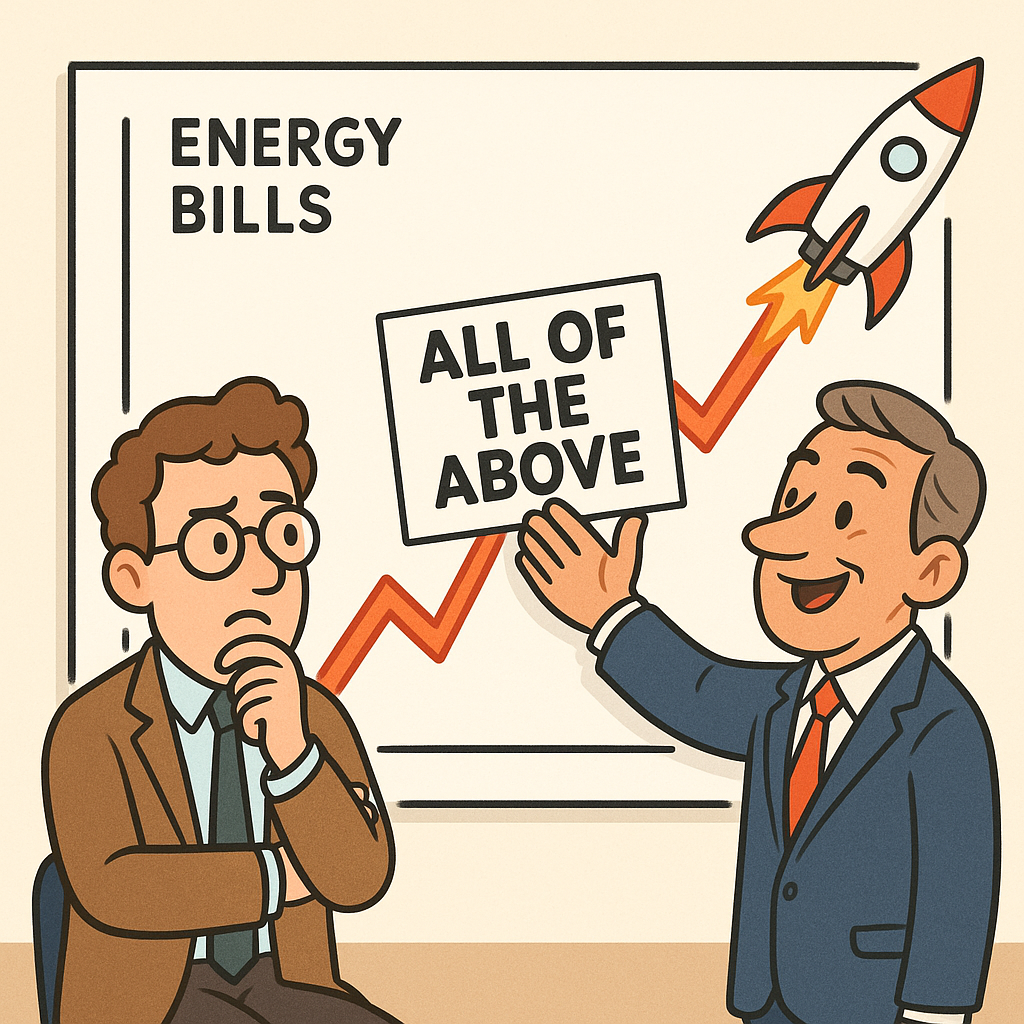
Into this carefully engineered scarcity walks Healey, who has now positioned herself as the founder of an all‑of‑the‑above portfolio company. On the one hand, the Commonwealth has aggressive decarbonization goals. On the other, it has winter, voters, and utility bills that function as daily negative campaign ads.
From a finance‑guru standpoint, the RARE project reads like a classic Web3 play:
- Step 1: Announce ambitious long‑term roadmap, “net‑zero Massachusetts.”
- Step 2: Quietly raise a bridge round in the form of incremental gas capacity.
- Step 3: Explain to early adopters that this is a “resilience layer” on top of the old chain.
- Step 4: Launch a tokenized acronym, RARE, to distract everyone from the fact that it is a slightly larger straw in the same fossil‑fuel milkshake.
Investors, also known as families who own a thermostat, are told that the pipeline will protect them from volatility created by the federal rollback of clean energy. The fine print is that the same rollback is what made the pipeline look necessary in the first place. Federal policy spikes demand for gas, gas prices spike, Massachusetts panics, Enbridge sells more pipes, and Trump gets to announce on National Manufacturing Day that he is reshoring American energy greatness while outsourcing the gas to Canada.
“This is what we call a closed‑loop incentive system,” I explain from a New Jersey basement lined with humming server racks, a plastic folding table, and one inexplicably framed portrait of Alan Greenspan. “You earn higher bills as a reward for participating. It is like yield farming, except the only thing growing is your line item for ‘delivery charge.’”
Environmental groups in Massachusetts, who spent the last decade treating new gas infrastructure as a red line, now find themselves in the exciting new role of explaining to shivering voters why long‑term climate timelines should outweigh next month’s invoice. Healey’s pivot has reintroduced a traditional American party choice: you can have leaders who deny climate science and promise cheap gas, or leaders who accept climate science and promise slightly less expensive gas in 18 to 24 months, contingent on federal permitting.
Federal permitting, for its part, has become the ultimate bipartisan villain. It slows fossil projects, which enrages Trump, and it slows clean energy projects, which enrages everyone else. The RARE project is billed as a quick incremental upgrade on an existing Enbridge line, precisely because trying to build anything big and new in U.S. energy infrastructure now has the same success rate as an NFT liquidity pool in 2023.
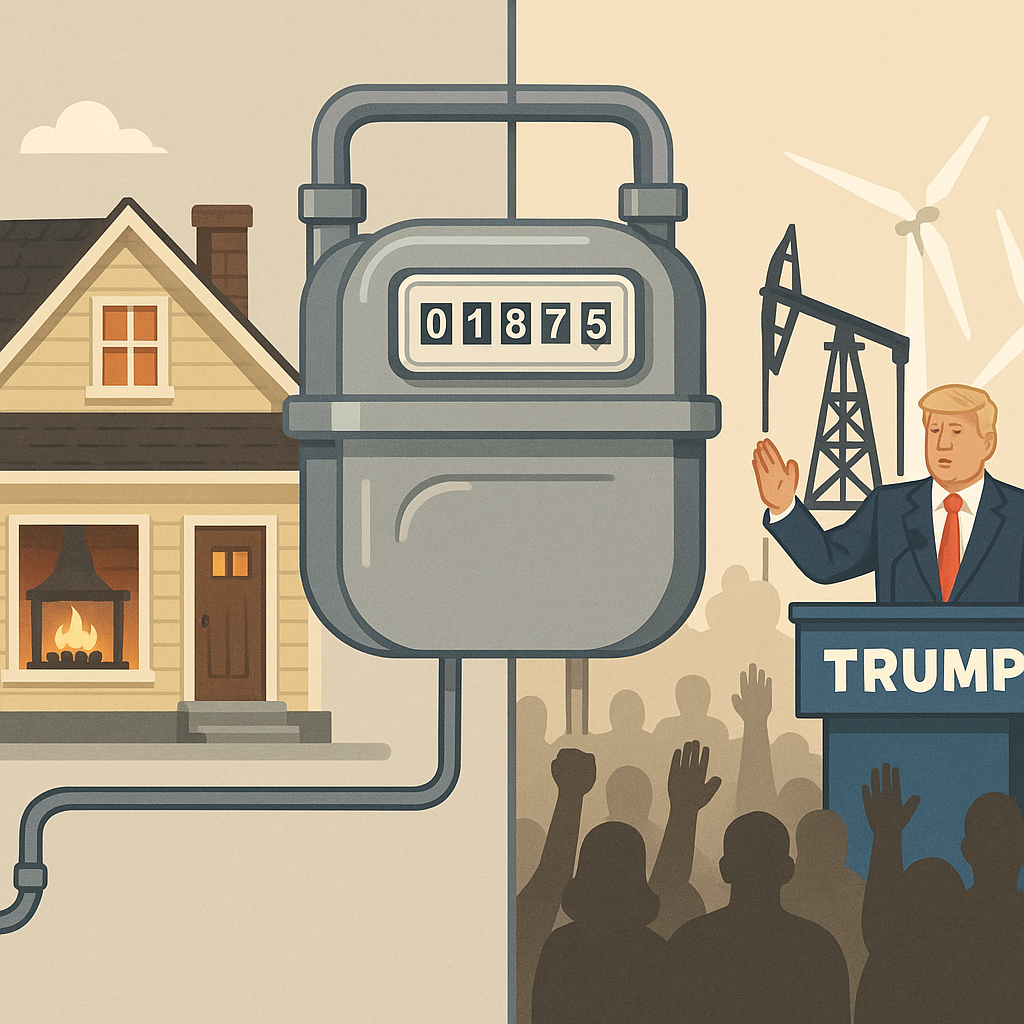
Chris Wright’s Department of Energy is now in the unusual position of holding a blue‑state governor’s political fate in its inbox. Should it move slowly, Trump can continue to blame “Biden‑era red tape” out of habit, while Healey blames Washington and environmentalists blame Enbridge. Should it move quickly, everyone gets to test a more advanced narrative: Democrats will fight climate change in the long run, once they are done investing in the gas capacity required to survive the short run created by Republican policy in the first place.
The Energy Innovation numbers suggest that by 2040, households will have paid thousands extra for the privilege of watching this ping‑pong match. Asked whether the administration was concerned about the projected $6,500 hit to family budgets, a fictional senior Trump economic adviser said, “Those are just models. You cannot put a price on energy dominance, unless you are a utility, in which case, absolutely, and it will appear on page two of your bill as a non‑bypassable resilience rider.”
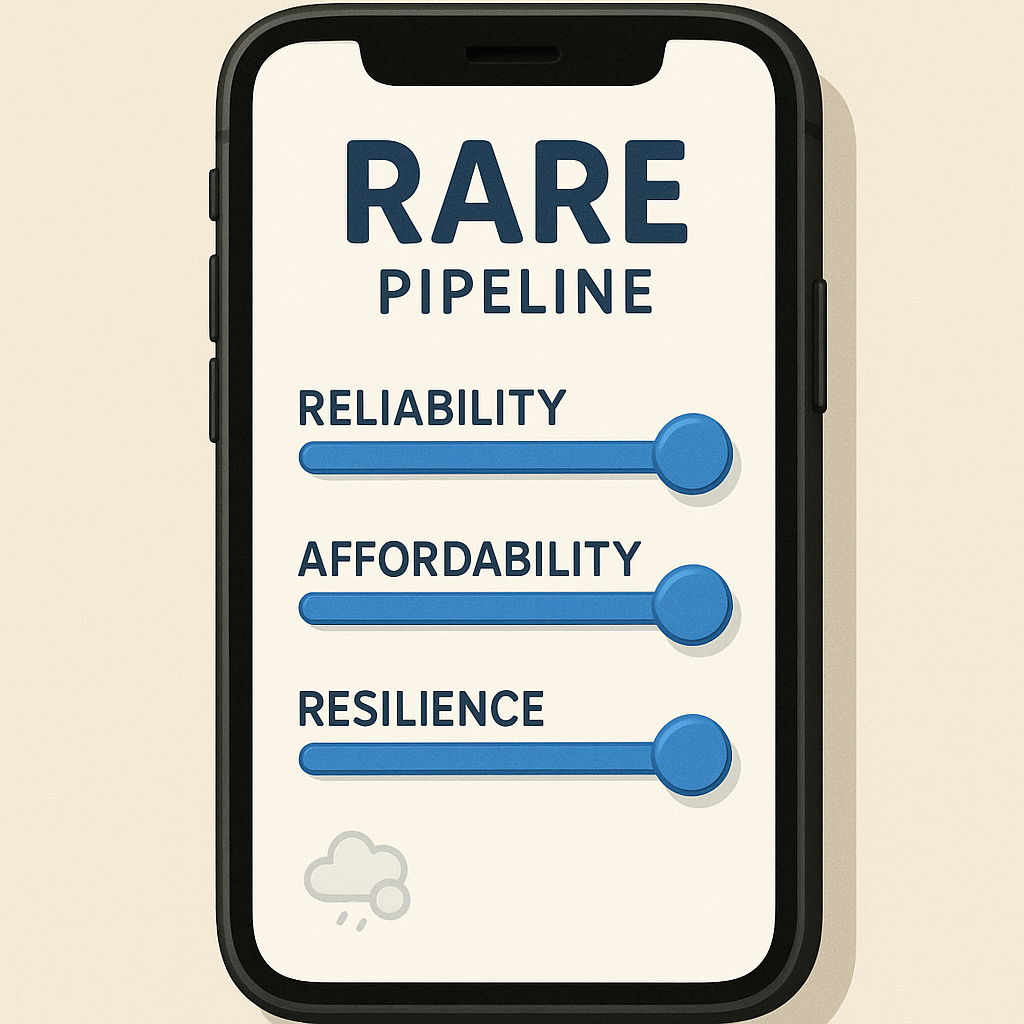
Back in Massachusetts, the RARE acronym continues to do most of the messaging work. It promises Reliable, Affordable, Resilient, Enhancement, which is four adjectives and zero admissions that the state is lengthening the lifespan of its gas infrastructure right as it is supposed to be winding it down. Healey assures climate‑conscious voters this is a last‑mile bridge to a cleaner future. Enbridge shareholders hear “last‑mile” and correctly translate it to “until the depreciation schedule ends.”
For consumers, the math is simple. The think‑tank modeling says they will pay more in the long term because of federal rollbacks. Their governor says they must expand gas capacity in the short term to pay slightly less right now. Trump says all of it would be cheap if reporters would stop asking about it. Ultimately, everyone converges on the one truly bipartisan position in U.S. energy policy.
No matter who wins, your bill renews automatically.