
EWR Digital has acquired Modalpoint, creating what press releases are already calling a "leading authority" in oil and gas marketing and what the rest of us might call a very well-branded moral quandary. The deal, trumpeted via Benzinga and PR Newswire this week (PR Newswire, Feb 2026), aims to expand the combined firm’s “oil & gas marketing authority and energy sector advisory,” because nothing says energy transition like better SEO for offshore drilling.
In a joint statement, EWR Digital executives praised Modalpoint’s “thought leadership” in the energy sector, a phrase that here appears to mean “making pumpjacks look inspirational on LinkedIn.” Modalpoint’s founder was described as a “trusted advisor” to the oil and gas industry, a role historically filled by geologists, lobbyists, and that one guy at the Rotary Club who always knows the senator’s golf schedule.
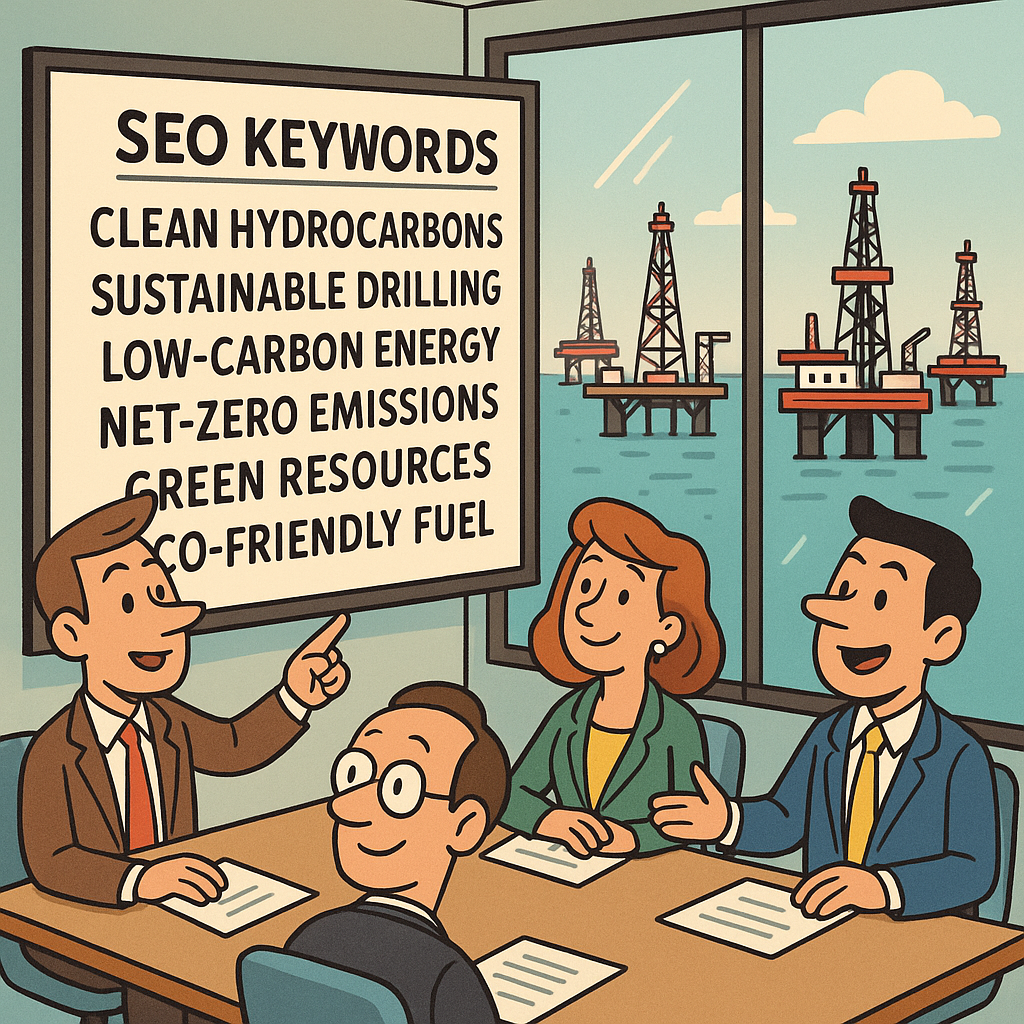
The combined company will focus on helping oil and gas firms sharpen their digital presence, refine their messaging, and gently rebrand “we extract combustible fossils from deep inside a heating planet” into “we empower global energy resilience.” EWR Digital, known for its work in digital strategy, branding, and web design, will now offer what one slide deck reportedly calls “full-funnel hydrocarbon storytelling.” Unconfirmed rumors suggest the sales funnel is shaped like a flare stack.
On a conference call with clients and investors, an EWR Digital spokesperson outlined the new synergy:
“Together with Modalpoint, we’re not just optimizing websites—we’re optimizing the narrative of modern energy. We’re here to ensure that, when people Google ‘oil spill,’ they see a sponsored blog about innovation, community partnerships, and responsible stewardship on page one.”
Analysts call the move “strategic,” a word business writers use when something is clearly about money but they’re tired of typing “about money.” By adding Modalpoint’s energy sector advisory experience to its existing marketing portfolio, EWR Digital can now help a drilling company figure out both where to sink the bit and how to frame that move as a bold step in ESG. The press releases emphasize “authority” so frequently that you half expect the FTC to show up and ask to see its certifications.
Industry insiders say this is part of a broader trend: oil and gas companies are throwing more budget at digital marketing as regulators, activists, and basic physics become harder to mute. If you can’t reduce emissions, you can at least reduce bounce rate. One imaginary, but very believable, chief marketing officer at a mid-sized producer summarized the mood: “We used to invest in safety posters; now we invest in content calendars. The posters never trended on LinkedIn.”

The new EWR Digital–Modalpoint conglomerate promises services across the full spectrum of corporate absolution:
- SEO for extractive industries: Turn “fracking protests” into “community listening sessions” with a few well-placed blog posts and schema markup.
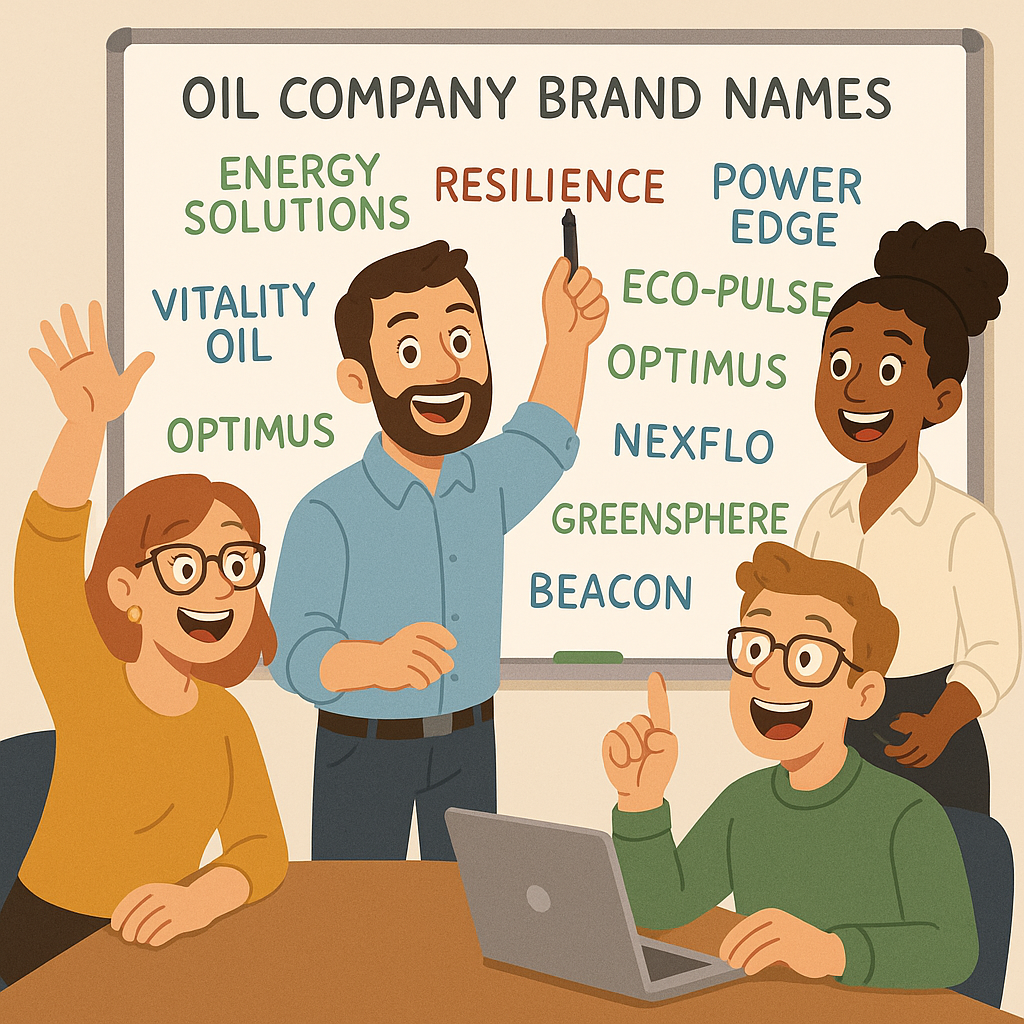
- Brand repositioning: Swap "oil company" for "energy solutions provider" and watch investor decks gain 12% more optimism per slide.
- Advisory services: Strategic counsel on whether your next campaign should feature wind turbines you don’t own or children you don’t employ.
In interviews, Modalpoint leadership framed the acquisition as a natural evolution. For years, they’ve advised oil and gas players on how to navigate commodities cycles, regulatory changes, and the occasional blowout of public opinion. Now, with EWR Digital, they can add retargeting pixels to that toolkit. As one executive put it, “We’ve always helped clients respond to volatility in the market. Now we’ll help them respond to volatility in the comments section.”
Critics note that “expanding oil & gas marketing authority” in 2026 sounds a bit like expanding cigarette billboard authority in 1996, but with more dashboards. Defenders counter that storytelling is crucial in the energy transition. Then, after a brief silence, they clarify that by “transition” they mean “transition from being invisible villains to visible partners in a net-zero journey—powered by rich media.”
The deal’s timing is impeccable. As environmental, social, and governance (ESG) pressure mounts, companies are increasingly judged on how convincingly they can alphabetize their sins. EWR Digital and Modalpoint are perfectly positioned to help clients put “Environment” first on the slide, “Governance” last, and “Gas” not on the slide at all. It’s not greenwashing, they insist. It’s “narrative alignment.” Please update your buzzword glossary accordingly.
JSYK investors appear mildly pleased, or at least not displeased enough to close their browsers. The promise of a bespoke digital presence for every pipeline, LNG terminal, and “innovation hub” has convinced many that this is the future of energy: not fewer wells, just better landing pages. “In this market,” one consultant said, “barrels matter, but backlinks are the new barrels.” They then billed $450 an hour for that sentence.
Going forward, EWR Digital and Modalpoint say they will help clients in Houston, the Permian Basin, and far beyond craft data-driven campaigns that “educate stakeholders on the realities of the modern energy ecosystem.” Behind the soft focus, the message is blunt: the rigs are still pumping, the molecules are still burning, and the least we can do is A/B test the tagline. As one slide in the internal kickoff meeting reportedly read:
“If we can’t decarbonize the world, we can at least rebrand it.”
And with that, the energy transition enters its most advanced phase yet: from fossil fuels to sponsored stories, from drilling platforms to content platforms, from proven reserves to proven engagement. Somewhere, a barrel of oil is being pulled out of the ground, and a marketer at EWR Digital is asking the only question that still matters.
“Can we get this trending?”