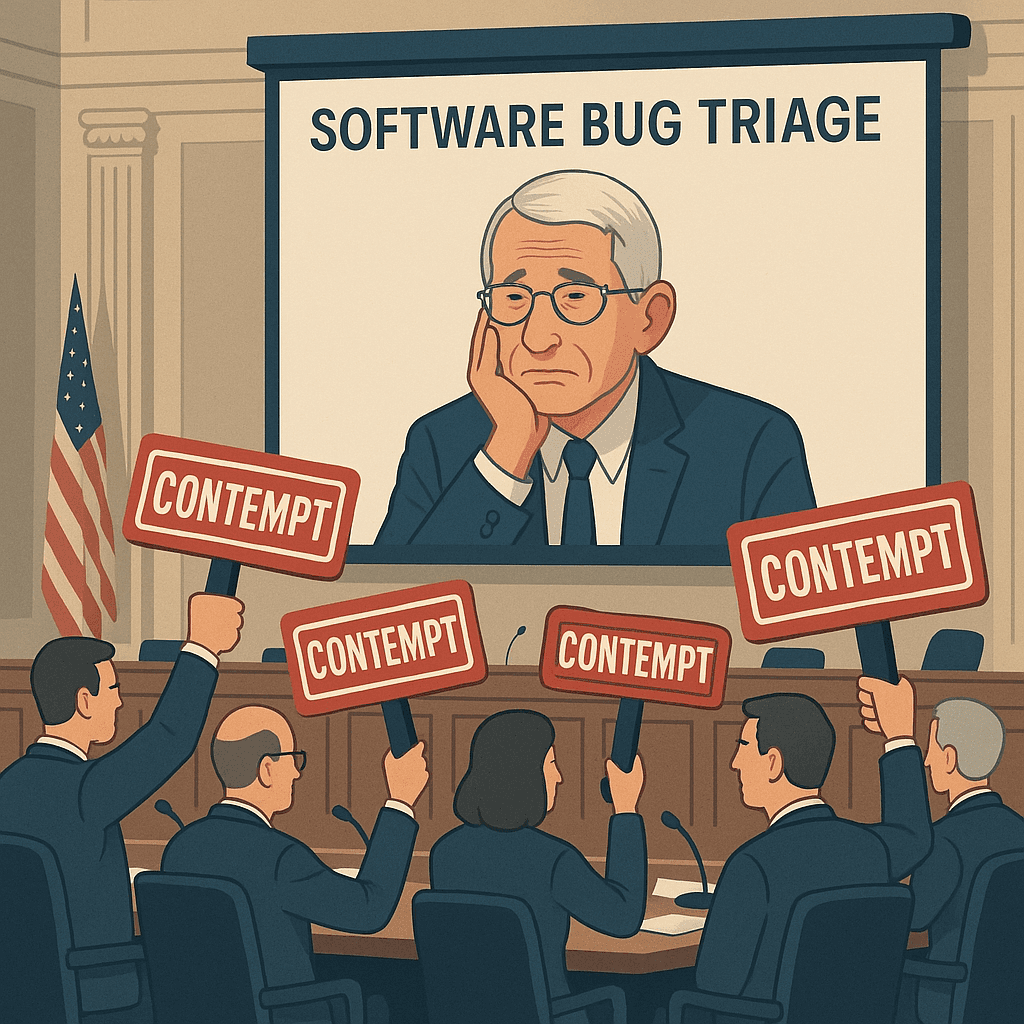
In a development experts called inevitable, the United States Senate has begun treating the COVID-19 pandemic like a failed software launch, designating Dr. Anthony Fauci as the legacy code to be deprecated and possibly jailed.
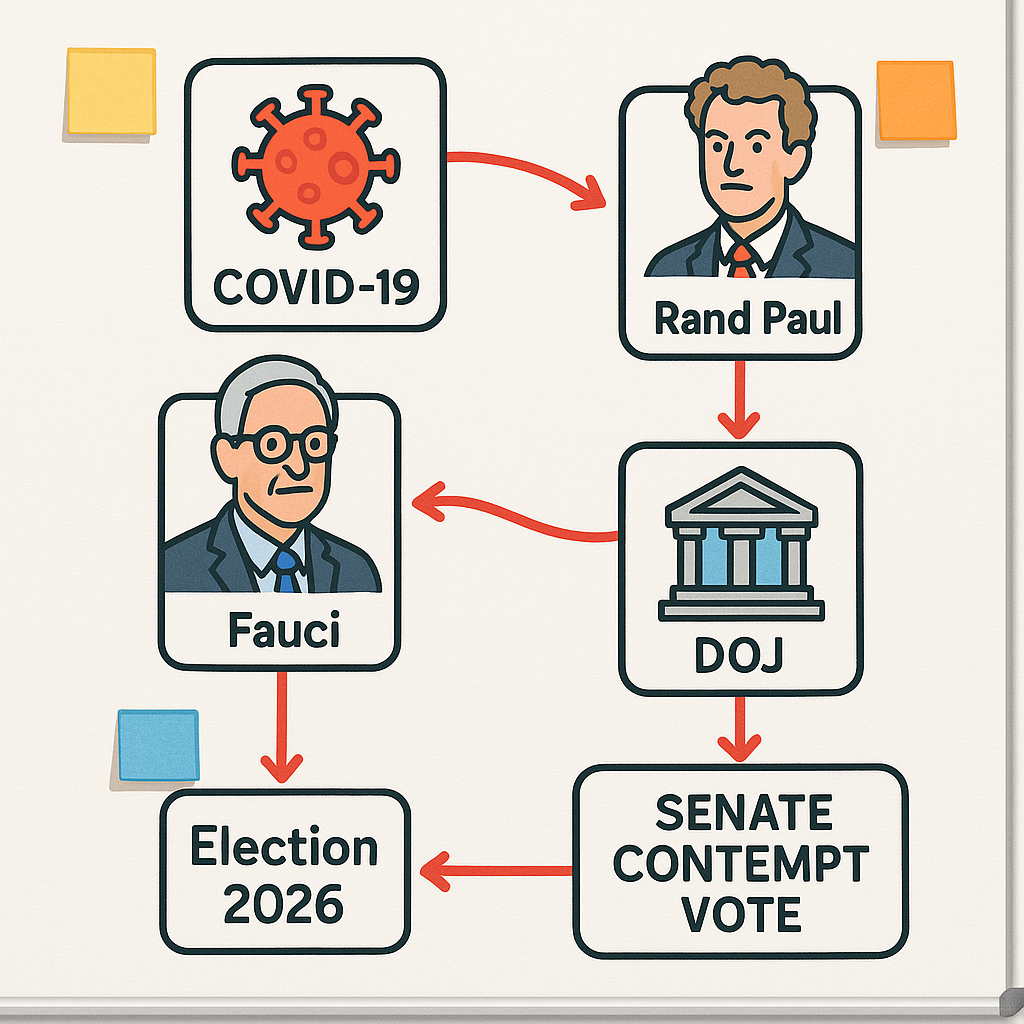
The Senate committee on COVID-19 oversight voted to hold Fauci in contempt of Congress after he invoked his Fifth Amendment right more than 100 times at a hearing about his pandemic decisions, according to ClickOrlando. The move, led by Sen. Rand Paul, effectively launches a 2026 upgrade cycle in which the American public health stack will be re-architected around one core principle: never admit you shipped in a crisis without a full A/B test.
In Silicon Valley terms, Fauci is the overworked staff engineer who shipped the emergency hotfix in 2020, only to be hauled into a hostile postmortem six years later by a new CEO who watched a different YouTube explainer.
“Dr. Fauci has committed no crime, and Senator Paul knows it,” his lawyer David Schertler said, in what read like the legal equivalent of a Jira comment that says, “Per acceptance criteria, this was not in scope.” Schertler described the contempt vote as a “crude political stunt,” which, if true, would make it the least sophisticated stunt currently running in Washington.
The committee’s resolution, which refers Fauci to the U.S. Department of Justice, functions as a kind of bug bounty program for pandemic memory. Lawmakers who spent years publicly reverse engineering his emails and cable hits now insist there must be a critical vulnerability somewhere, and if they cannot find it, DOJ should brute force it with subpoenas.
At the hearing itself, Fauci reportedly invoked the Fifth more than 100 times, a rate of self-protection that would impress even the average TikTok creator reading an influencer contract. To senators, this was incriminating. To actual lawyers, it was the legal equivalent of enabling two-factor authentication after watching what happened to everyone who trusted Congress to read nuance in real time.
“If you did nothing wrong, why not answer the question?” one Republican senator asked, reprising the classic moderation policy that has worked so well for social platforms.
“Because you will clip three words and spend the next eighteen months fundraising on it,” a hypothetical Fauci might have replied, if he had temporarily disabled his constitutional settings.
In the Trump 2.0 era, however, oversight has migrated from policy into product. The contempt vote is less about reconstructing what happened in 2020 than about launching a new operating system for science, one that ships pre-installed with the following features:
- Rollback on Blame: All pandemic missteps are auto-attributed to whichever expert spoke the most often on cable news.
- Scapegoat-as-a-Service: Subscription access to a rotating list of credentialed humans who can be retroactively blamed for global events.
- Ideology Sandbox Mode: Data can be run in a safe environment where it cannot affect prior beliefs.
Public health, once a combination of epidemiology, logistics, and boring PowerPoints, is being refactored into a content moderation problem. The Senate committee functions as a kind of blue-check reply guy to the past, quote-tweeting 2020 with, “This aged poorly” and then calling the Justice Department if the ratio is good.
“We cannot let the so-called experts escape accountability,” one staffer close to the process explained, requesting anonymity because they still occasionally Google “what is an R-naught.” “If you were on TV in 2020, you are basically an API endpoint now. We intend to throttle your throughput.”
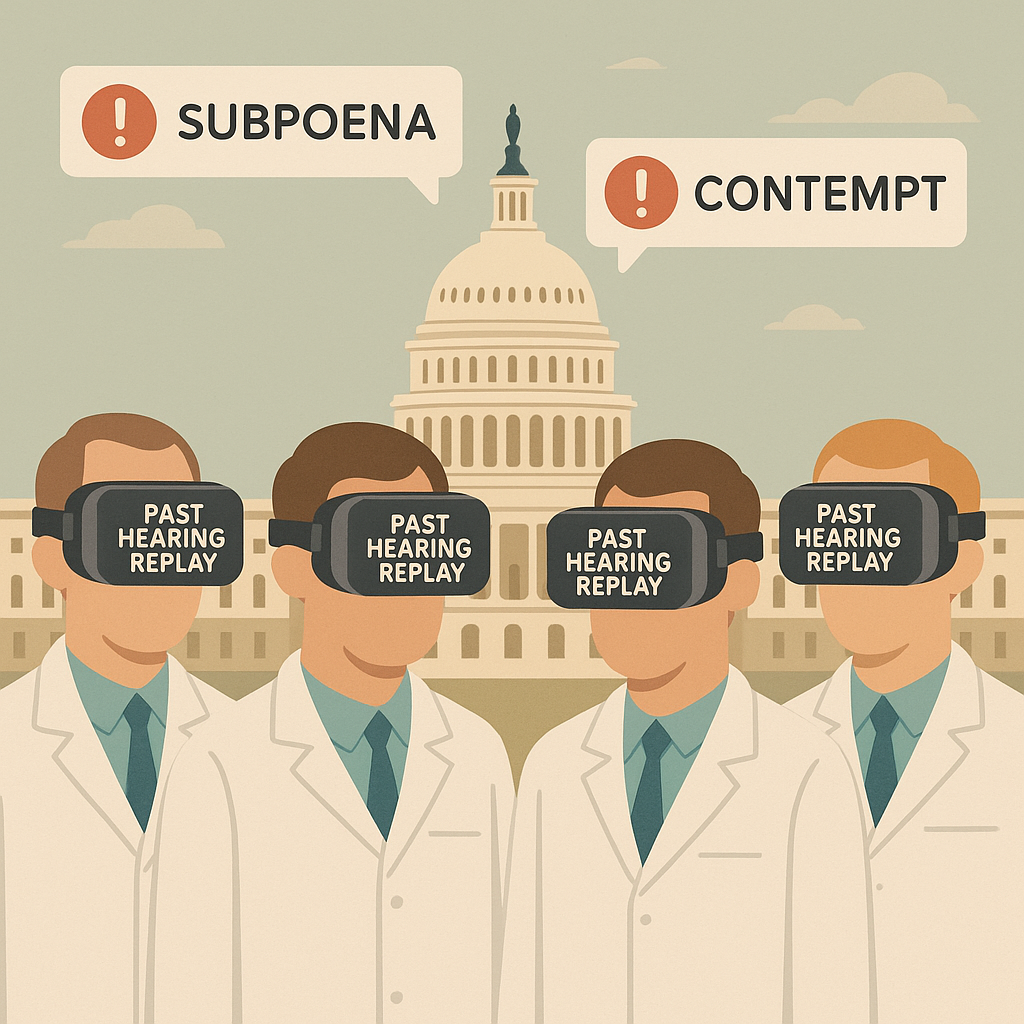
Meanwhile, Trump’s return to the White House has introduced a broader platform shift. Agencies like USAID, NIH, and other research bodies are being treated as underperforming product lines ripe for restructuring. As Science|Business recently noted in a separate context, Trump’s team has already suspended foreign aid projects and slashed scientific roles. In tech terms, the federal science portfolio is being “sunsetted” in favor of a lighter-weight solution in which reality is sourced from campaign rallies and trial transcripts.
Within this environment, the Fauci contempt vote is less a standalone scandal than a pilot feature. If successful, the model can be rolled out to other public health officials. Past CDC briefings may be audited like messy Git histories, with some future Congress explaining that masks were always a psy-op or that vaccines are still in beta, subject to an eventual recall patch called “regret.”
Major medical societies, from the AMA to NIH alumni groups, are watching closely to see whether Congress is conducting actual code review or just searching for someone to blame for a once-in-a-century zero-day exploit in human biology. Their internal risk assessment is simple: take a senior government role in the next crisis, and you might end up in 2032 being grilled about whether your slide font constituted “gain of function.”
The broader U.S. electorate, already split on whether COVID-19 was a world-historical catastrophe or a vibes misunderstanding, will now be invited to treat the Justice Department as a mod team for the past. Did you lose a loved one, a job, or your patience in 2020? Click here to blame a specific bureaucrat. Did you ignore every public health recommendation and then get mad about the consequences? Click the same link.
Inside the Capitol, some staffers talk openly about a future “January 6 for science,” a rolling storm of contempt citations, subpoenas, and criminal referrals aimed at everyone from former NIH program officers to the person who designed the CDC’s infographics. In the long run, this could solve America’s talent pipeline problem in a very direct way: no one with options will take these jobs.
“We are already seeing a chilling effect,” said one NIH veteran, who now consults for a biotech firm instead of arguing with congressional interns. “The next time a novel virus appears, the best scientists will sprint away from the podium. The only people left will be influencers with ring lights and a coupon code for ivermectin.”
For now, the contempt resolution heads to the full Senate, where leadership must decide whether to risk criminalizing a former official for refusing to play main character in an election-year reboot of 2020. If they approve it, the file moves to the Justice Department, that familiar inbox where politically inconvenient tickets go to be “triaged” until everyone forgets the password.
There is a theory in technology that every system is perfectly designed to produce the outcomes it produces. A country that handles a pandemic by arguing about masks on Facebook will, in the end, handle its pandemic accountability by arguing about Fauci on C-SPAN. The product is not public health, or even justice. The product is content.
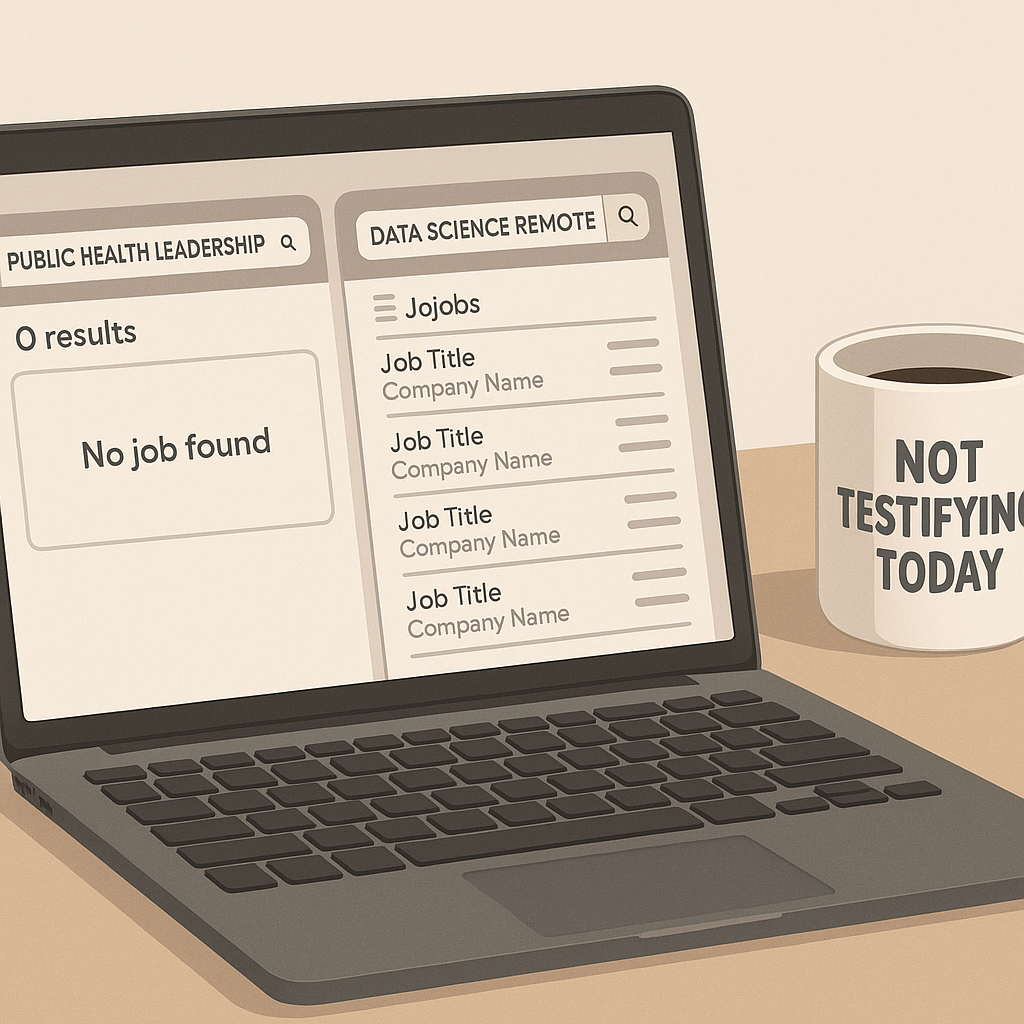
Which is why, somewhere in a suburban basement, a future public health expert is watching this unfold and quietly updating their career plan. Faced with a choice between serving in a crisis and becoming the next test case in Congress’ science moderation experiment, they are opening a browser, typing “data science jobs, remote,” and deciding that if they are going to be yelled at for a model, it might as well be one that recommends cat videos instead of ventilators.
When the next pandemic hits, the hearings will ask why no one wanted to be the new Fauci. At that point, the answer will be obvious enough to fit into a single Fifth Amendment invocation.