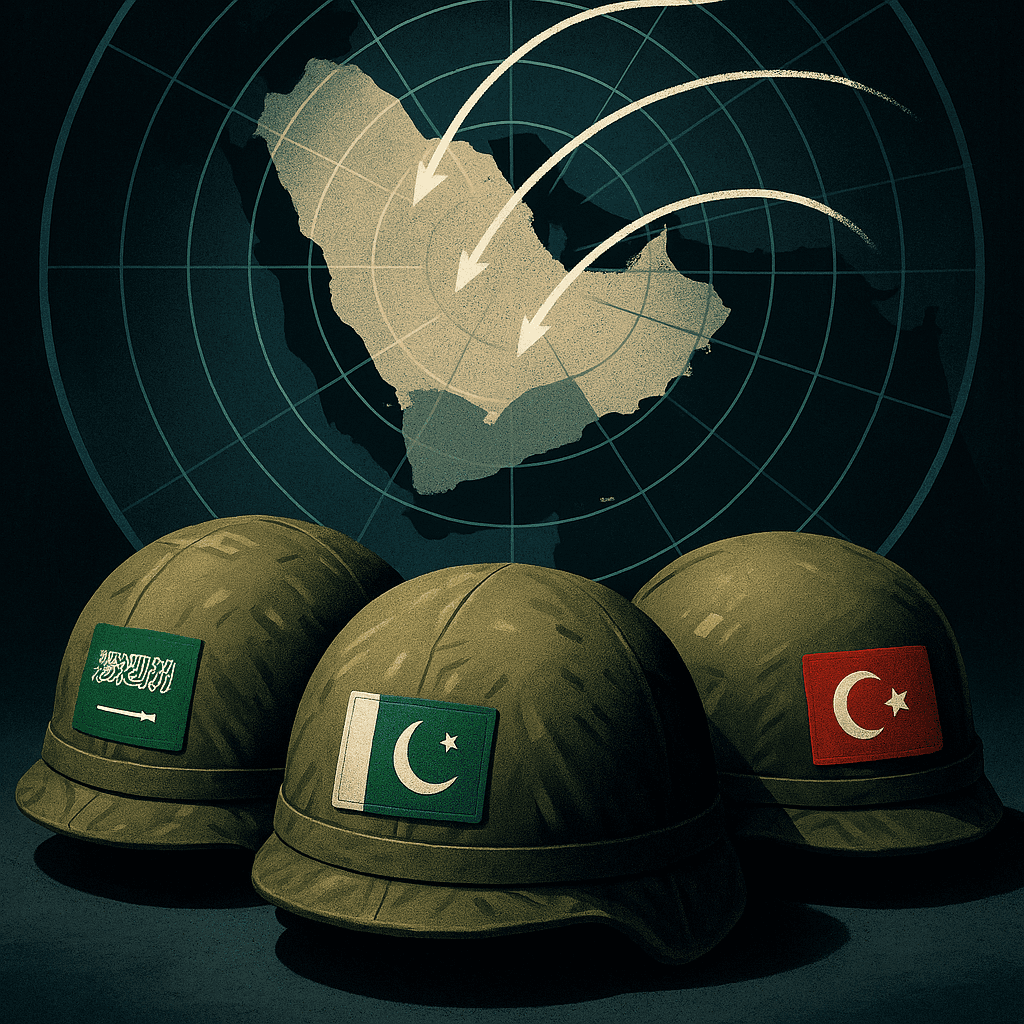
In a development experts called inevitable, the so‑called “resilient” U.S. economy has entered its premium content phase, where war with Iran, Trump’s new tariff wall, and a cooling AI boom bundle together into what economists at the Washington Post politely describe as “a regime change in vibes.”
Oil has already flirted with $100 a barrel, mortgage rates just hit their highest point in nearly a year, and the New York Stock Exchange logged a fresh 2026 low while traders stared at their screens like people realizing the monthly subscription they forgot to cancel is the entire macroeconomy. At the same time, the White House is leaning into higher tariffs and a “run it hot” strategy into the 2026 midterms, a phrase that here apparently means “what if stagflation, but for engagement.”
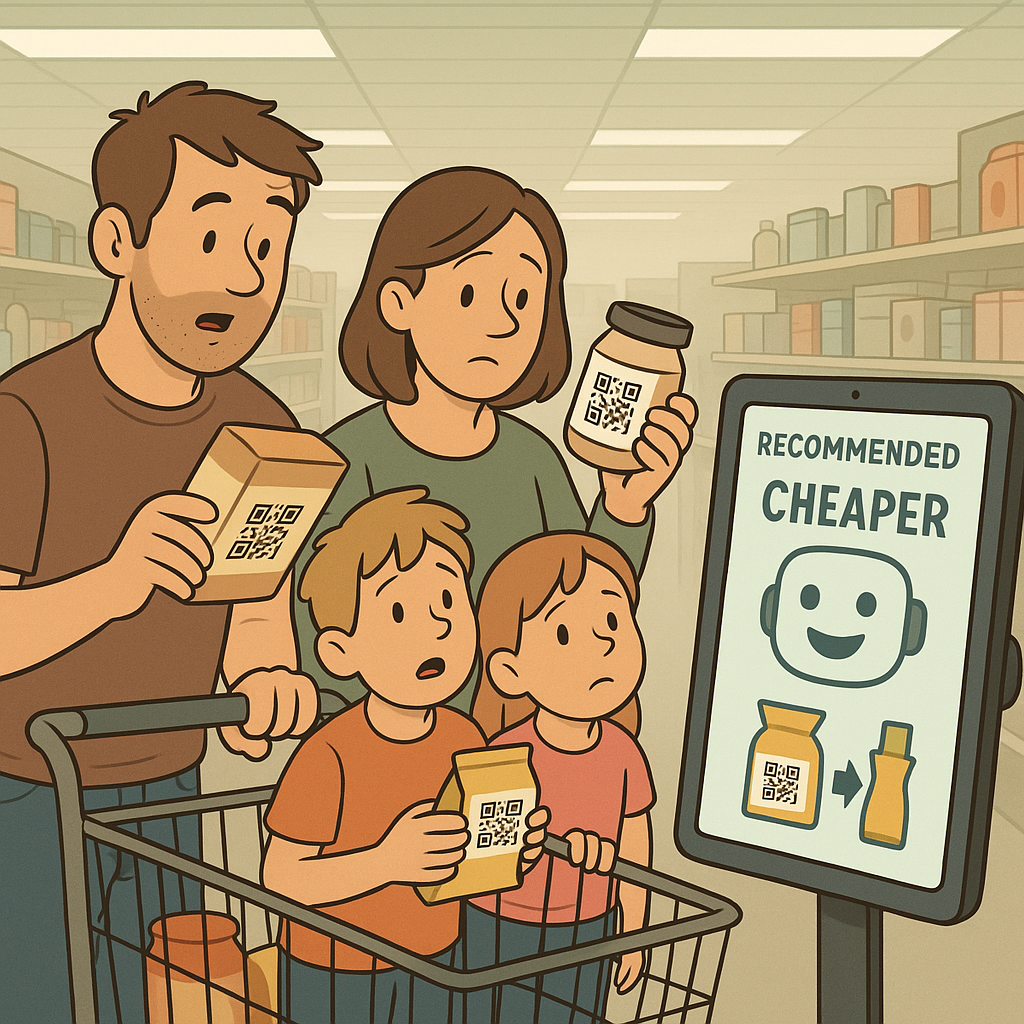
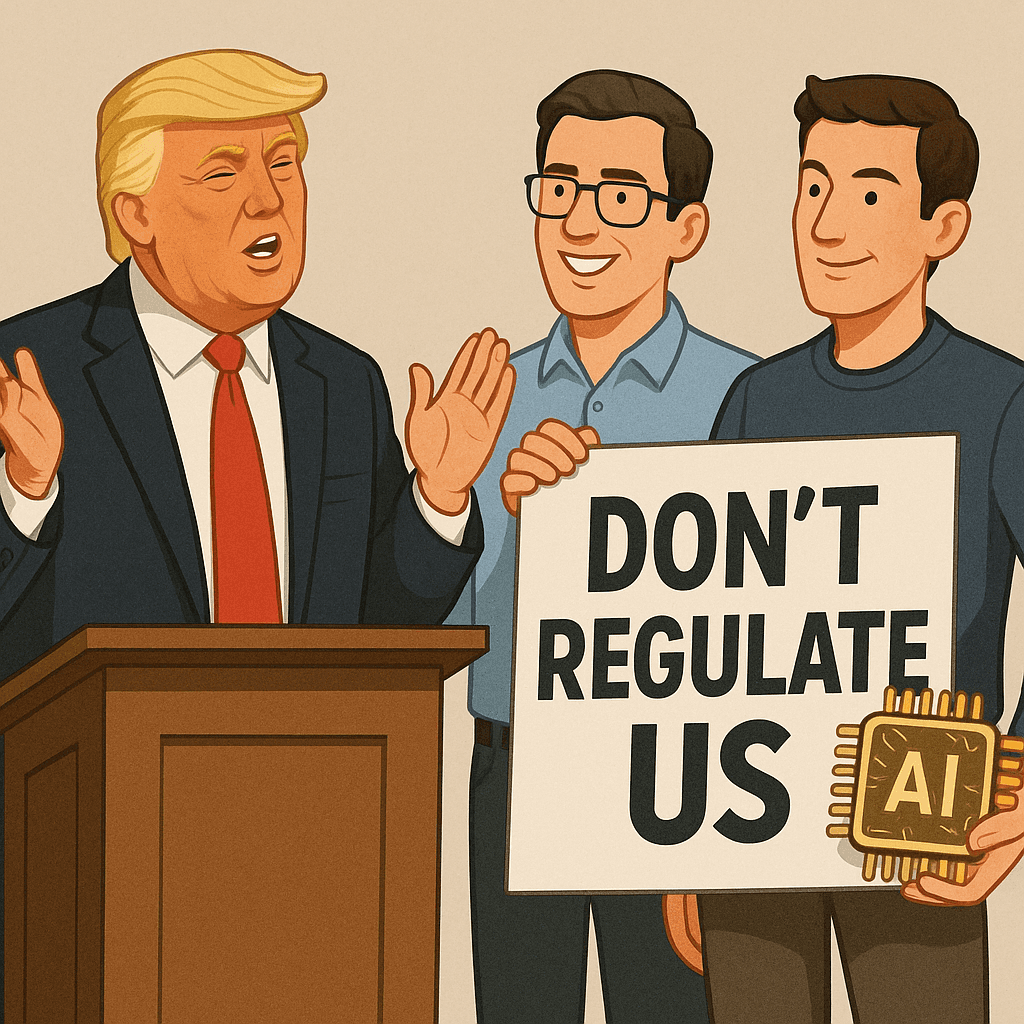
As the U.S.-led war with Iran collides with Trump’s expanded tariff wall on 60 trading partners, policymakers have embraced a simple theory: if every input cost spikes at once, the average American will be too busy recalculating their grocery list to notice that Nvidia and Palantir are asking the government not to ban “open” AI models, which now mainly function as automated middle managers explaining why your job had to go.
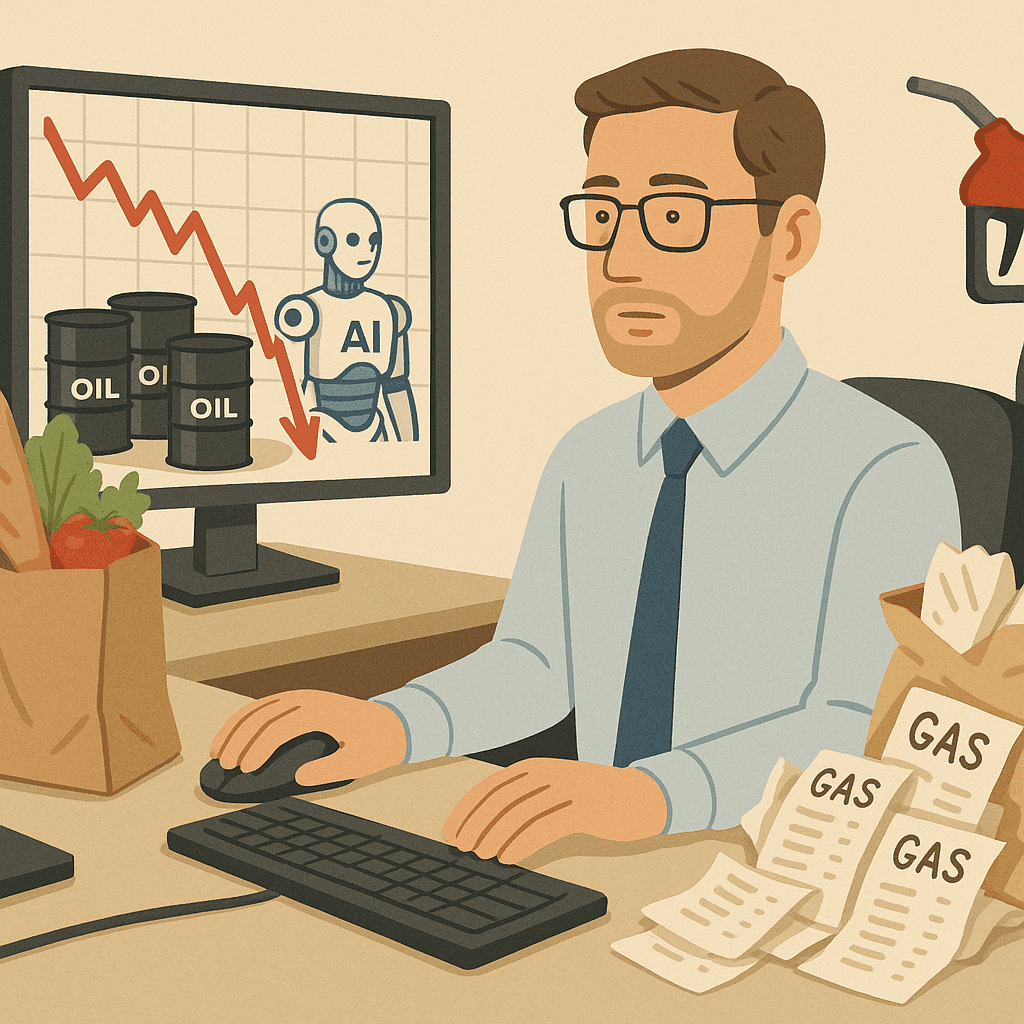
“We remain confident in the strength of the U.S. consumer,” one senior official said, while standing in front of a chart that looked like a cardiogram on fast‑forward. “Gasoline above $4, mortgage rates near 8 percent, and the biggest grocery price jump in 50 years all show that Americans are still willing to make bold choices. For instance, choosing between protein and the electric bill.”
On the ground, households are executing what AP News called a “rewiring” of grocery shopping habits. In practice, this means:
- Trading down from brand‑name cereal to “corn‑flavored inflation clusters.”
- Using AI shopping assistants to locate the one store in a 50‑mile radius that has not yet “shrinkflated” the peanut butter.
- Explaining to their kids that fresh fruit is now an NFT they can look at but not own.
“The app told me I saved $3 this week,” said one shopper in Ohio as she exited a discount grocer carrying a single plastic bag. “Then I checked my credit card bill and realized the savings were conceptual.”
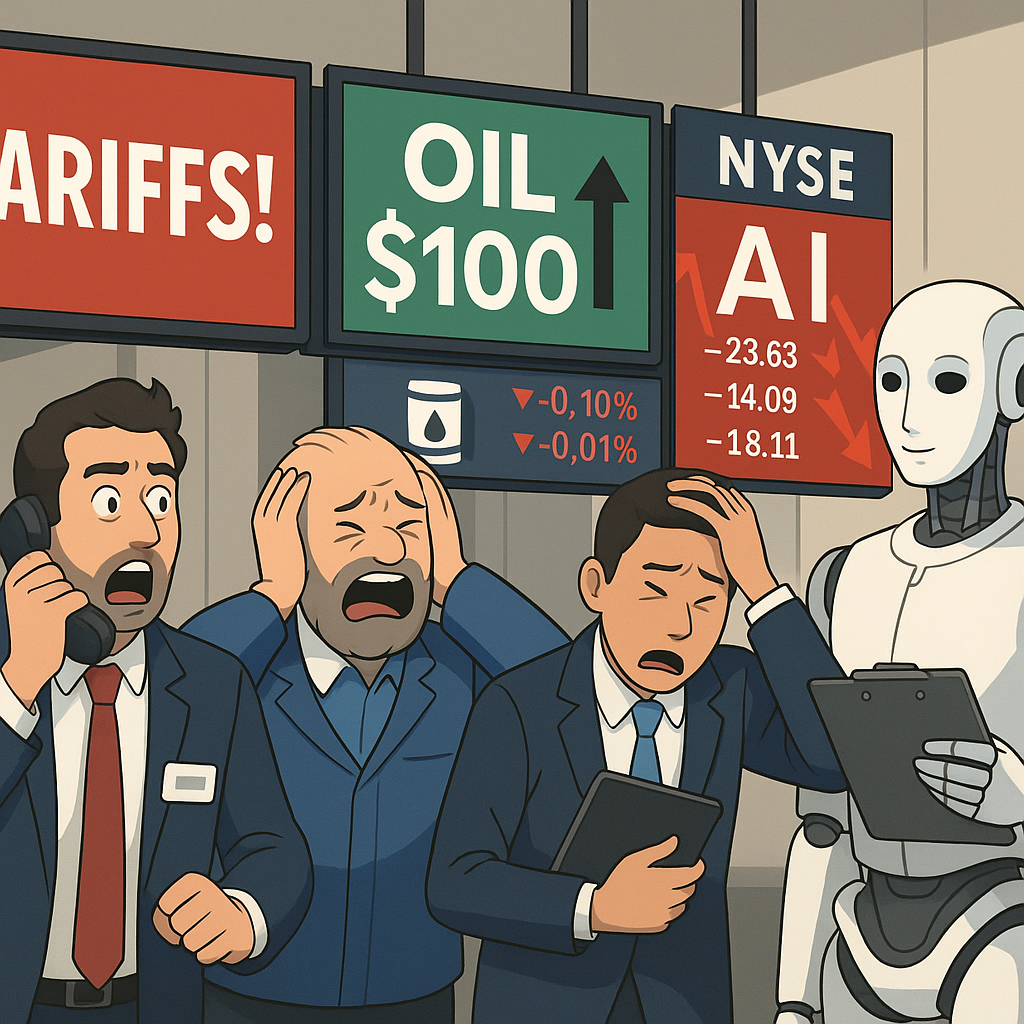
On Wall Street, the narrative pivot has been crisp. The AI boom, once cast as a frictionless growth engine, is now described on CNBC as “entering a more mature, cost‑disciplined phase,” which is finance code for “Nvidia’s chart looked like Bitcoin at the peak and now we are discovering gravity.” U.S. tech groups have cut roughly 140,000 jobs in the middle of record AI capex, a workflow some HR departments describe as “moving fast and breaking people.”
Business Insider notes that the new mantra for hyperscalers is “intelligence per dollar,” a metric that asks: how many workers can your AI boss supervise per kilowatt‑hour before they form a unionized Discord? Amazon reportedly routes Alexa+ requests to cheaper in‑house models whenever possible, only escalating to Anthropic’s pricier AI if the user sounds “wealthy, litigious, or likely to post screenshots.”
“In an environment of elevated oil prices and trade friction, we are laser‑focused on AI efficiency,” an imaginary Nvidia spokesperson said in an earnings preview. “Our goal is to provide the U.S. government with the tools it needs to model 12 different war and tariff scenarios in real time, then ignore the ones that do not poll well in Pennsylvania.”
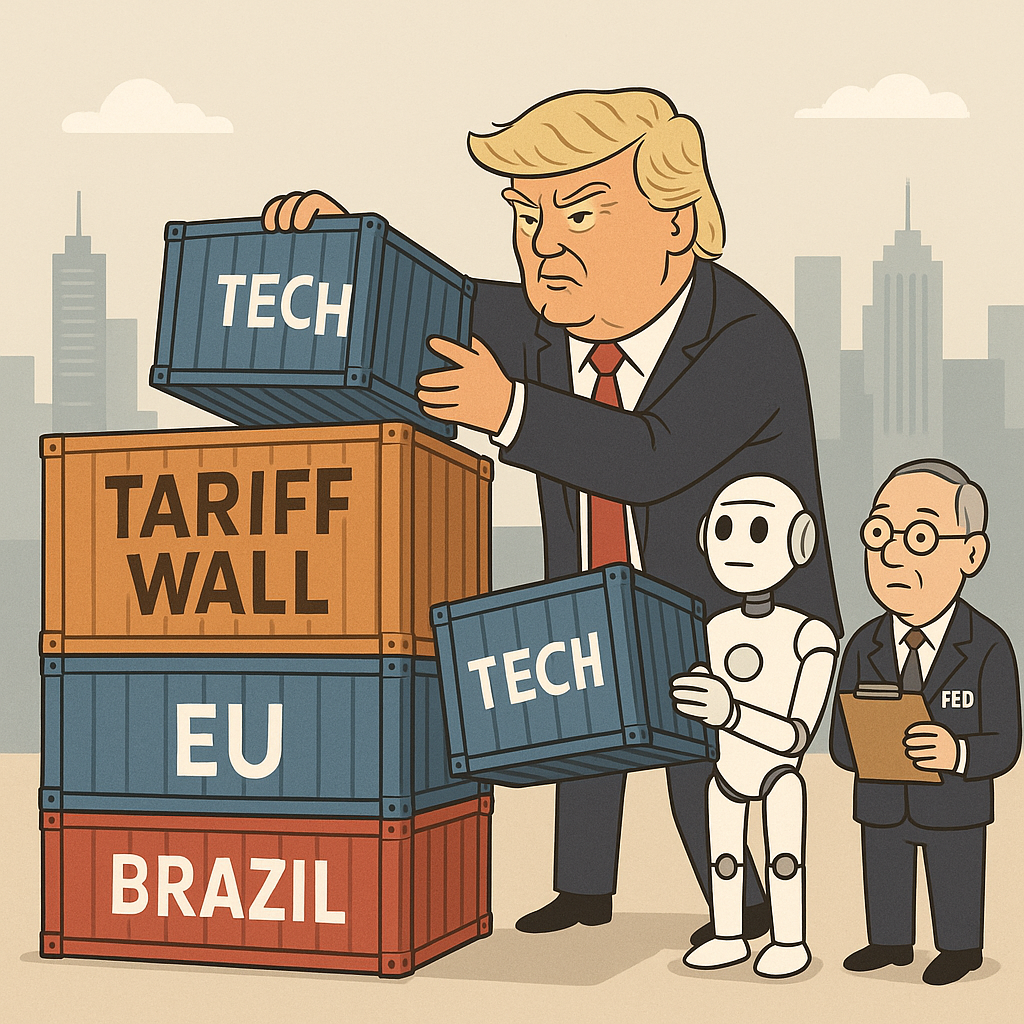
Trump, for his part, has treated the situation as a cross‑marketing opportunity. Fresh from pushing new duties that the Financial Times described as rebuilding a “tariff wall,” he has threatened additional tariffs on the EU in retaliation for fines on U.S. tech groups, while also promising to run the economy “hot” into November. Analysts say the plan resembles a high‑risk carry trade where the collateral is everyone’s grocery budget.
“The president believes in strong borders, strong tariffs, and strong quarterly GDP,” said one adviser, speaking off the record because the bond market still exists. “If that means slightly higher inflation, slightly lower equity prices, and slightly more global shipping lanes being shelled, that is just the cost of leadership.”
Investors are beginning to notice that the “resilient” part of the resilient U.S. economy mainly refers to its ability to generate new asset bubbles on command. Oil spikes, shipping routes in the Gulf get rerated, mortgage rates jump, and within hours there is a new ETF promising exposure to “North American Conflict‑Resilient AI Logistics Infrastructure,” which is code for two railroads and a data center on an old mall.
The U.S. Federal Reserve, forced to watch this from a chair that is technically fireproof but spiritually not, has adopted a tone familiar to anyone who has tried to cancel a subscription. Officials hint they are “data dependent,” signal that rates might stay high due to war‑driven energy prices and tariffs, then reassure everyone that core inflation is moderating once you remove food, energy, housing, and the financial panic you feel at 3 a.m.
“We see some softness at the margins,” one Fed economist said, “mostly in equities, credit, housing, and consumer sentiment. But the labor market remains solid, particularly in the area of temporary contract positions supporting generative AI pilots that will shortly automate those same workers.”
In the real economy, AI is not so much replacing workers as it is creating new bosses, as the Washington Post editorial board recently noted. Freelancers now report getting performance reviews from dashboards built on Palantir’s software, which ranks them by “value per token” and automatically routes low performers into a “cost optimization cohort,” formerly known as a layoff. The silver lining, according to startup founders, is that these newly freed individuals are “empowered” to launch their own AI‑assisted businesses, like resale arbitrage of tariffed goods from Europe, until the tariffs change again.
Voters are in the awkward position of being told that GDP is fine while gas, mortgages, and groceries declare personal bankruptcy on their behalf. In swing states, local news segments now feature residents standing next to their SUVs at the pump, explaining they support American strength abroad, but would also like to experience American strength in their checking accounts at least once this decade.
“I guess the economy is resilient,” said a Michigan homeowner, watching her adjustable‑rate mortgage reset on a banking app that also offered her a 7‑day trial of an AI budgeting coach. “It keeps bouncing back. It is just bouncing away from me.”
For now, markets, households, and hyperscalers are all united by a single reality: every new solution is also a new line item. War with Iran inflates oil and shipping costs. Tariffs inflate imports. AI inflates power bills. Wall Street inflates narratives. The only thing that does not seem to inflate is wages, although that issue is expected to be addressed in a forthcoming software update.
Officials still insist the system can be managed, that with the right mix of targeted subsidies, selective export controls, and flexible AI governance, the U.S. can glide between inflation and recession without touching either. They call it a soft landing. Consumers, staring at their grocery receipts and their brokerage statements, have started calling it something else.
They call it “resilience as a service,” billed monthly, auto‑renewing, and impossible to turn off without triggering a global sell‑off.