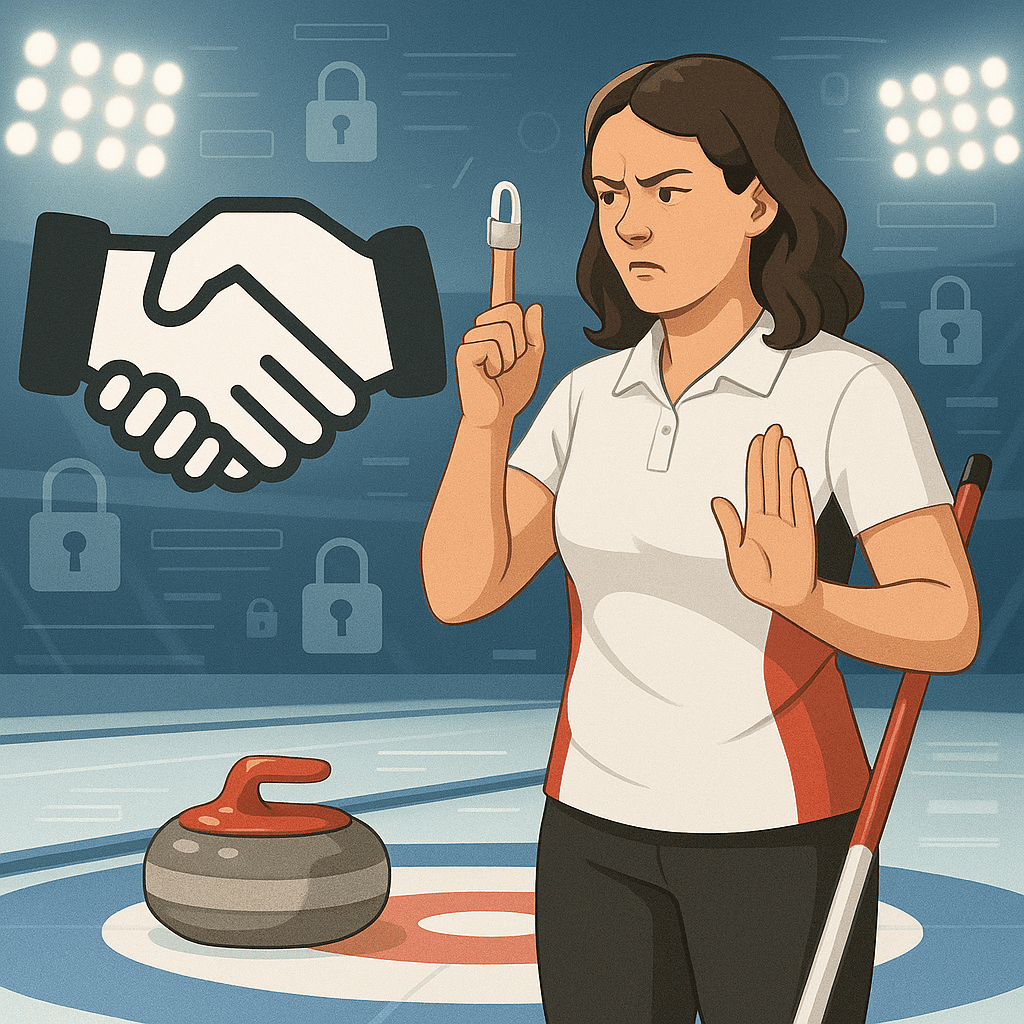
In a stunning breakthrough for both cybersecurity and sports hygiene, Canadian skip Kerri Einarson has quietly rolled out a revolutionary new feature at the women’s world curling championship: the No Handshake™ Zero-Contact Trust Framework.
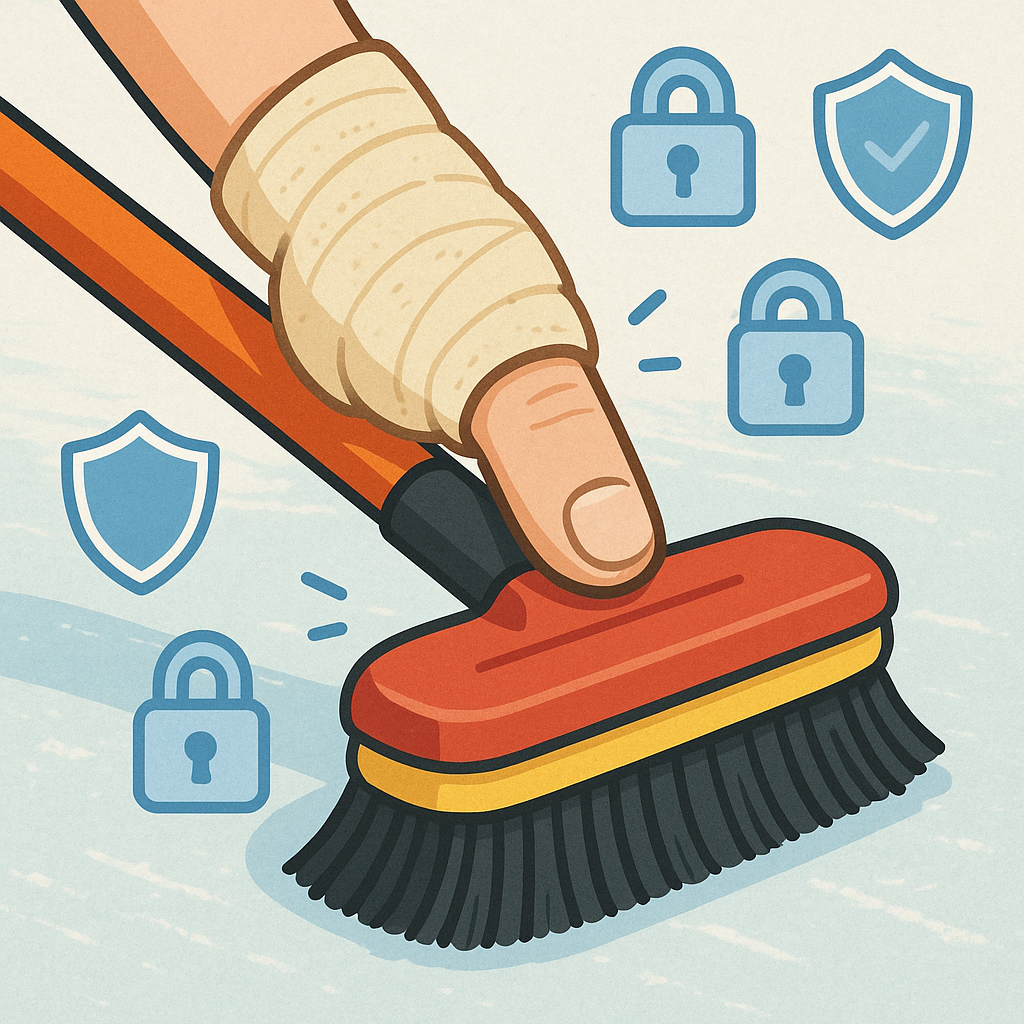
According to multiple near-identical reports from the St. Albert Gazette, Times Colonist, and Medicine Hat News (Mar 18–19, 2026), Einarson is refusing traditional post-game handshakes to protect a sprained finger. Silicon Valley, which has historically raised billions of dollars for apps that do less, is furious they didn’t think of it first.
"We’ve spent a decade building blockchain for this exact use case—verifiable agreement without physical contact," sighed one Vancouver-based Web3 founder, staring despondently at coverage in Town And Country Today. "All we had to do was… say no and keep our hands in our pockets?"
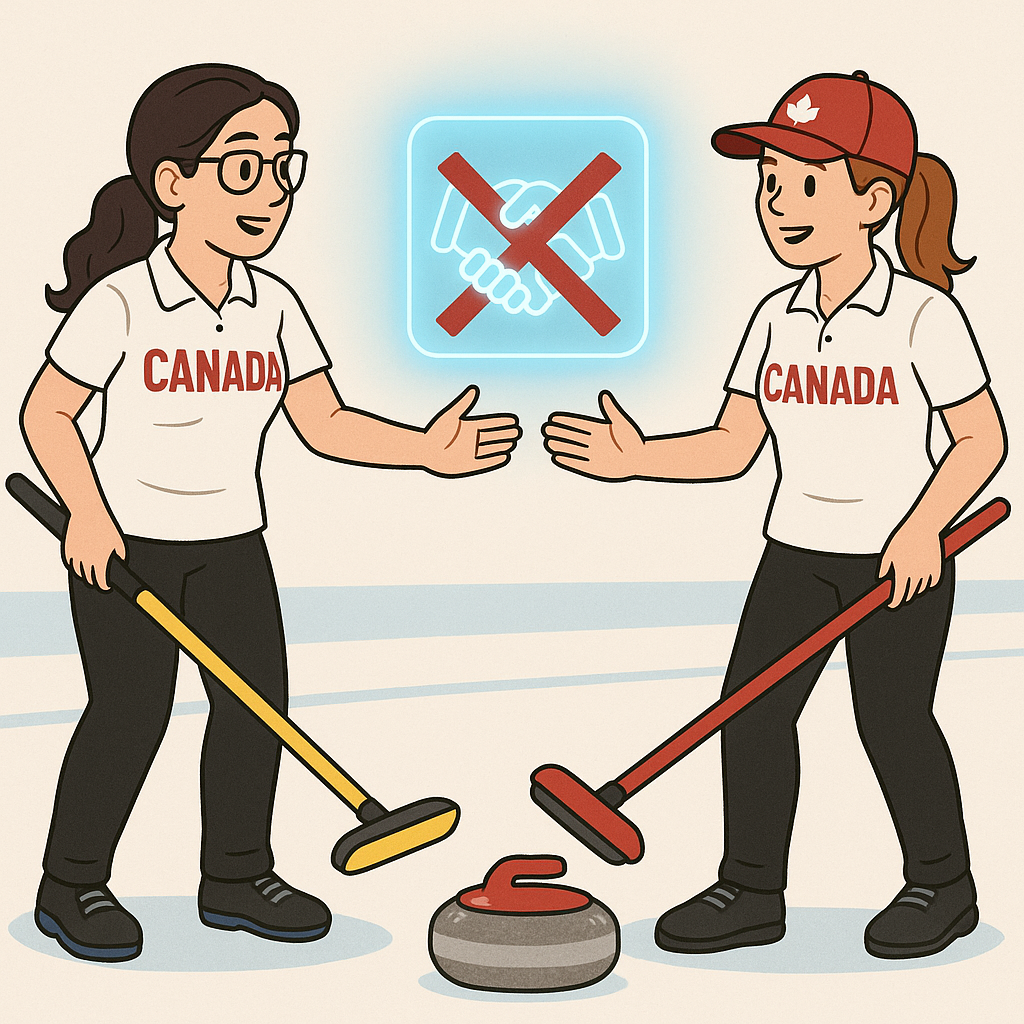
The Canadian rink, representing Canada at the women’s world curling championship, has effectively turned the ice sheet into a high-latency Zoom call. The traditional handshake UX—warm, analog, and occasionally clammy—has been replaced with a new, fully remote protocol:
- Step 1: Make eye contact (optional).
- Step 2: Nod in what lawyers will later describe as “mutual acknowledgment of game completion.”
- Step 3: Retreat to the locker room and refresh your F5 key like it’s the scoreboard.
"This is the future of sports tech," declared a fictional but spiritually accurate analyst from a Calgary-based startup incubator, likely misquoting something they read in Lakeland News. "Einarson has basically deployed an air-gapped handshake. You can’t hack what doesn’t exist, and you can’t sprain what you never extend."
At the heart of this development is a single, vulnerable asset: Kerri Einarson’s sprained finger. In a different era, this would have been a simple medical footnote. In 2026, it’s a critical piece of national curling infrastructure—essentially Canada’s pinky-sized answer to a Tier-1 data center.
"We are operating at reduced digit redundancy," a tongue-in-cheek Team Canada staffer allegedly said in a mixed zone that suspiciously resembled a press scrum-slash-HR briefing. "Our threat model includes accidental bumps, over-enthusiastic handshakes, and that one person who still thinks crushing your hand is a show of character. For this event, the finger stays sandboxed."
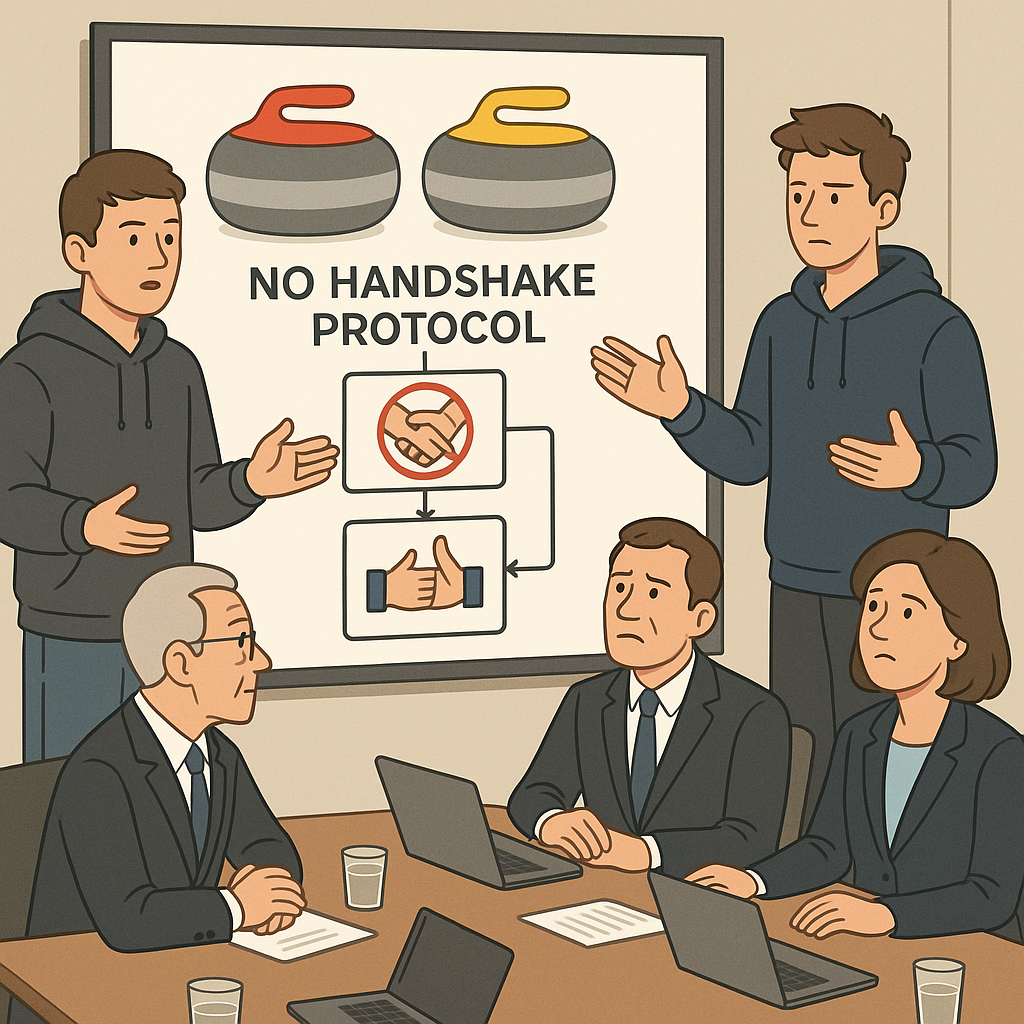
The women’s world curling championship, normally a shrine to analog precision—rocks, brooms, and the eternal question "how is this on TV and why can’t I look away"—has suddenly become a live beta test for non-contact etiquette technology. Spectators in St. Albert, Lethbridge, and beyond are watching in real time as the old-school handshake is deprecated like Adobe Flash.
Instead of physical contact, teams are experimenting with upgraded communication stacks:
- Handshake 2.0 (Beta): A synchronized nod, followed by a respectful tap of broom to ice.
- Handshake 3.1 (Enterprise): Mutual QR-code scan of each other’s jerseys, signifying “Good game” and surrendering all marketing data in perpetuity.
- Handshake-as-a-Service (HaaS): An intern does the handshake in a different room, on your behalf, to minimize latency and lawsuits.
"From a risk perspective, Einarson’s approach is bulletproof," explained a cybersecurity professor from the University of Alberta, who absolutely did not expect her Saturday to involve analyzing curling strategy for Squamish Chief. "The safest endpoint is the one you never expose. That sprained finger is now essentially a cold wallet."
Tech companies are rushing to catch up. A Toronto-based startup has announced Handshake.ly, a platform that lets athletes deploy verified digital handshakes on-chain. For only $19.99 a month, you can send a cryptographically secure "GG" to opponents worldwide, complete with NFT replay footage of what the handshake would have looked like if you still believed in human touch.
"We’re aiming for Series B funding by the gold-medal game," its founder said, frantically refreshing a pitch deck featuring stock photos of people high-fiving in an office that hasn’t existed since 2019. "The women’s world curling championship is the perfect launchpad. It’s Canada’s Davos, if Davos had better jackets and less money laundering."
Meanwhile, traditionalists interviewed by NS News remain uneasy. "The handshake is sacred," one longtime fan insisted. "If we lose that, what’s next—algorithms calling the line shots? AI skips? Virtual brooms?" They paused, visibly reconsidering. "Actually, that last one sounds good. My back hurts just watching."
The International curling bureaucracy, which typically moves at glacial speeds that make curling stones look impulsive, has suddenly found itself forced into the tech policy arena. A leaked draft from a rules committee meeting includes proposals such as:
- Mandating gesture-neutral zones around players with bandaged appendages.
- Introducing a "thumbs-up" emoji board at center ice as an approved post-game greeting.
- Penalty for unsolicited fist bumps: two points and a sternly worded e-mail.
"We’re consulting with experts from both Medicine Hat and the Times Colonist region," an official allegedly said, as if listing Canadian media outlets were a peer-reviewed process. "This isn’t just about one injured finger. It’s about redefining trust in a touch-optional world."
Back in the tech sector, consultants are already packaging Einarson’s strategy into expensive slide decks. Corporations looking to cut office costs are eyeing No Handshakes as the perfect justification to remove the last vestiges of workplace warmth while upselling "collaboration platforms" that mostly deliver unread notifications.
"The Einarson Protocol offers a scalable, cloud-native approach to interpersonal risk management," reads one 47-slide presentation sent to a Fortune 500 CEO. "By reducing physical handshakes to zero, you not only protect metaphorical fingers—like brand reputation—but finally achieve the dream of all modern management: relationships without responsibility."
As the women’s world curling championship progresses, commentators from St. Albert to Lakeland are left describing not just shot percentages and hammer efficiency, but also adoption rates of the new handshake stack. Viewers at home now track three stats: score, shooting accuracy, and average greeting bandwidth.
In the end, Kerri Einarson’s sprained finger may prove to be the most influential digit in Canadian tech this year, out-innovating half the startups on the TSX by doing the one thing they never considered:
Turning something off.
If the experiment succeeds, experts predict the No Handshake model will quickly spread from curling rinks to boardrooms, political summits, and family gatherings, where it will finally give everyone a socially acceptable reason not to touch that one uncle who still calls the internet “the Google.”
Until then, Canada watches breathlessly as its national team glides across the ice, executing complex strategy with stoic calm, all while guarding a single vulnerable finger like it’s root access to the entire country.