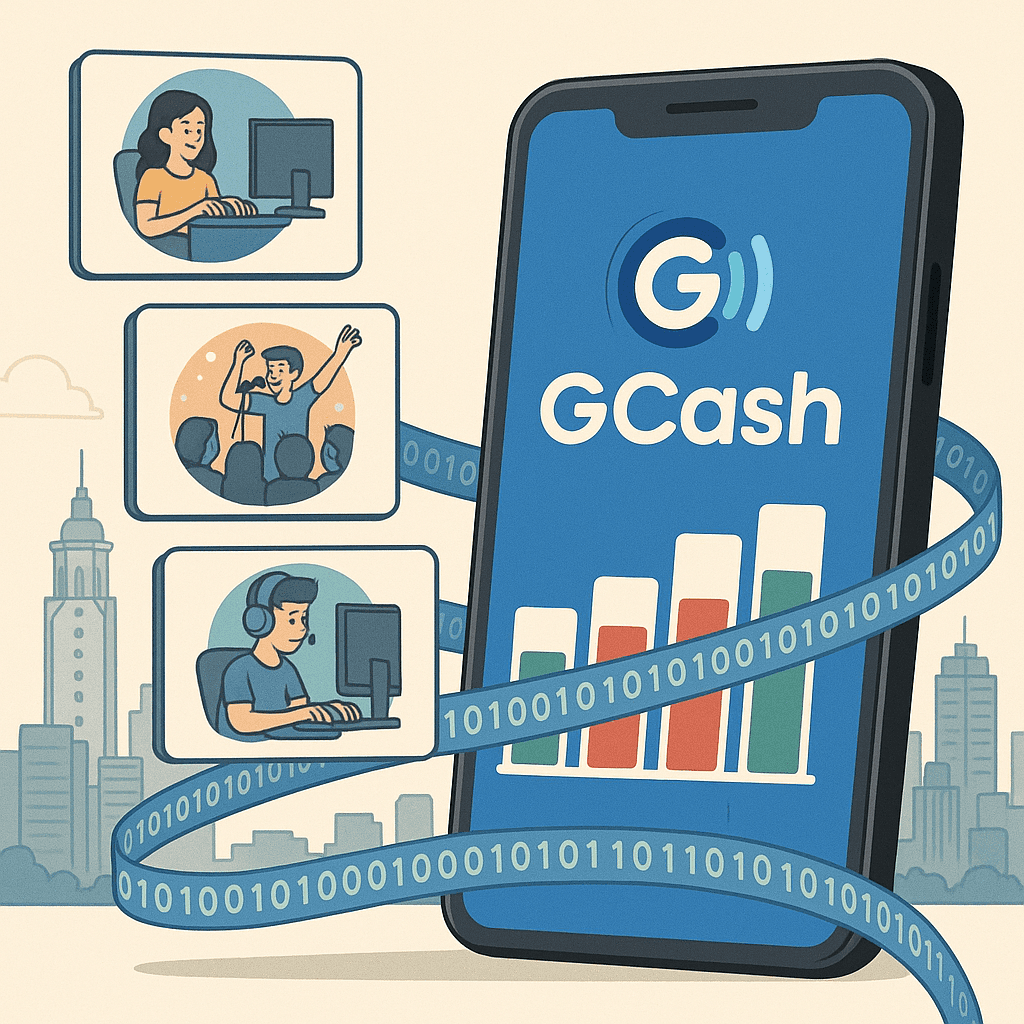
In a development shocking only to people who still pay in cash, GCash has quietly become the Philippines’ unofficial Ministry of Culture by turning every tap, swipe, and late-night karaoke rental into data points for a giant algorithm that just wants you to watch one more episode. According to a sponsored feature on Yugatech titled “How GCash Data Insights Shape PH Entertainment Consumption” (Yugatech, Mar 2026), your viewing habits are no longer just hobbies — they’re a fully monetized personality profile with in-app promos.
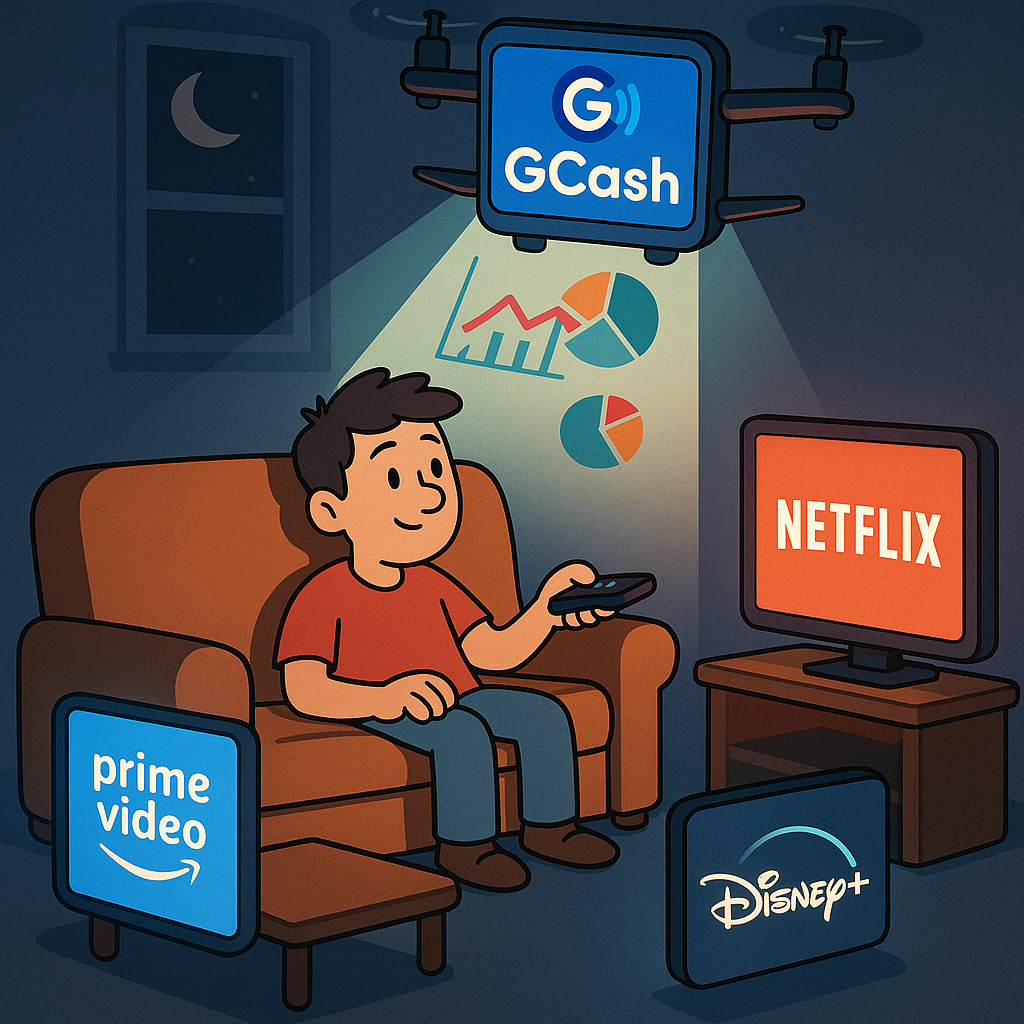
The mobile wallet giant GCash insists it is simply using “data insights” to make “PH entertainment consumption more convenient,” which is corporate for “we’ve graphed your soul and sold it to three streaming platforms and a milk tea chain.” The company’s analytics team describes their work as “leveraging behavioral signals.” Everyone else describes it as, “Why did I just get a voucher for discounted heartbreak playlists right after my breakup?”
At the heart of this quiet cultural coup is a sprawling dataset built from QR payments at cinemas, subscriptions via GCash to platforms like Netflix and Viu, ticket purchases for concerts at Mall of Asia Arena, and pay-per-view boxing matches involving anyone faintly resembling Manny Pacquiao. Each transaction gets sucked into what insiders jokingly call “Project Chismis,” an engine that correlates your fondness for K-pop lightsticks with your probability of panic-buying cheese-flavored popcorn.
“We don’t judge anyone’s choices,” a fictional GCash spokesperson, totally not named to avoid extra legal paperwork, said in a virtual briefing. “If our data shows that users in Quezon City watch five hours of Korean dramas every Saturday and then order shawarma at 1:37 a.m., that’s not creepy — that’s an opportunity to offer bundled shawarma and streaming rewards.”
Translation: We’ve noticed you’re lonely, here’s 20% off digital escapism if you commit to being lonely for at least three more weekends.
The Yugatech piece emphasizes how “GCash Data Insights” help partners in the Philippine entertainment ecosystem find their audiences more effectively. In practice, that means if you paid for a PPV fight and also top up for Mobile Legends diamonds, you’re flagged as “High-Octane Beta Male Entertainment Segment,” and your app home screen gets redesigned into a testosterone funnel of MMA replays, crypto ads, and discounted chicken wings.
Meanwhile, fans of P-pop, K-pop, and every other letter-pop are tagged as “Passionate Fandom Economies.” These are users who have been statistically proven to pay convenience fees that exceed the price of the actual concert ticket, provided it includes a 3-second glimpse of an idol on a glitchy livestream. GCash’s algorithm helpfully ensures that every payday, these users are greeted by:
- “EXCLUSIVE FAN EVENT: Pay with GCash, Lose Financial Stability But Gain Emotional Damage!”
- “ONE-DAY SALE: Lightsticks + Streaming Bundle! Because Emotional Support Comes With RGB LEDs Now.”
- “STAN RESPONSIBLY: No, Seriously, We Can See Your Outstanding Bills.”
Industry executives hail this as a revolution. “We used to guess what Filipinos wanted to watch,” one anonymous streaming partner allegedly told Yugatech. “Now, thanks to GCash, we know that if a user binge-watched It’s Okay to Not Be Okay and then immediately paid their Meralco bill and GrabFood, we can target them with content we call ‘quiet desperation but make it aesthetic.’ It’s really inspiring.”
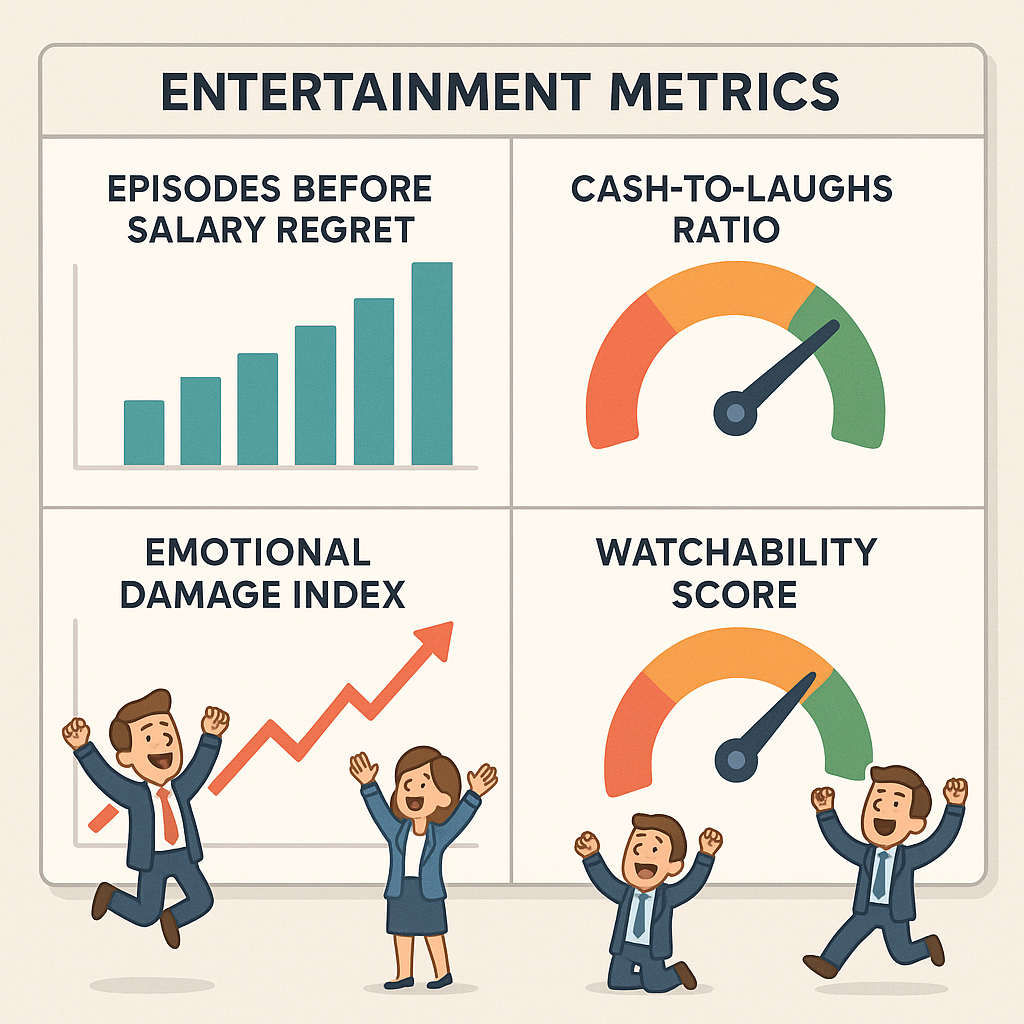
On the back-end, data scientists reportedly maintain dashboards tracking categories like:
- Average Episodes Before Salary Regret – how many installments of a series you can consume before realizing you didn’t pay your internet bill.
- Emotional Damage to Top-Up Ratio – how many e-wallet refills correlate with crying at 2 a.m. to OST playlists.
- FOMO Index – the spike in transactions whenever a new Netflix PH trend icon appears on social media.
“This isn’t surveillance,” a GCash marketing manager insists in my imagination, straightening their virtual blazer. “This is personalization at scale. We’re not watching you; we’re just watching what you watch, when you watch it, where you watch it, and how long you hesitate before renting that P49 movie. Completely different.”
The Philippine government, impressed that a private e-wallet now understands national taste better than any cultural agency, is reportedly considering outsourcing cultural policy. Under a hypothetical partnership, the National Commission for Culture and the Arts would simply ask GCash which genres made the most people forget to pay their SSS contributions, then declare those “Official National Emotional Exports.”
By neighborhood, the patterns are even more intimate. GCash data allegedly shows that:
- Makati users consume mostly workplace dramas and LinkedIn-themed TED Talks, then pay for overpriced coffee via QR code.
- Cebu sees spikes in variety shows and online sabong alternatives, carefully relabeled as “interactive gaming content” in the deck.
- Davao over-indexes on family movies and karaoke rentals, followed by bulk purchases of snacks labeled “for sharing” that mysteriously arrive at single-person households.
Every one of these insights, the Yugatech article hints, fuels “strategic partnerships” that give users what they “really want.” Which, according to the charts, is apparently:
“Cashback if you agree to be emotionally held hostage by one platform’s catalog for 12 to 24 months, subject to terms and conditions written in a font size visible only to data scientists and demons.”
In the boardrooms, of course, the conversation is nobler. Executives at GCash talk about “democratizing access to entertainment across the PH” and “enabling frictionless payments to streaming partners.” The slides do not mention that every “frictionless” payment is preceded by a push notification at 11:52 p.m.:
“We noticed you rewatched that one breakup scene three times. Would you like a discounted subscription to a platform with 40 similar shows and a free trial of therapy… content?”
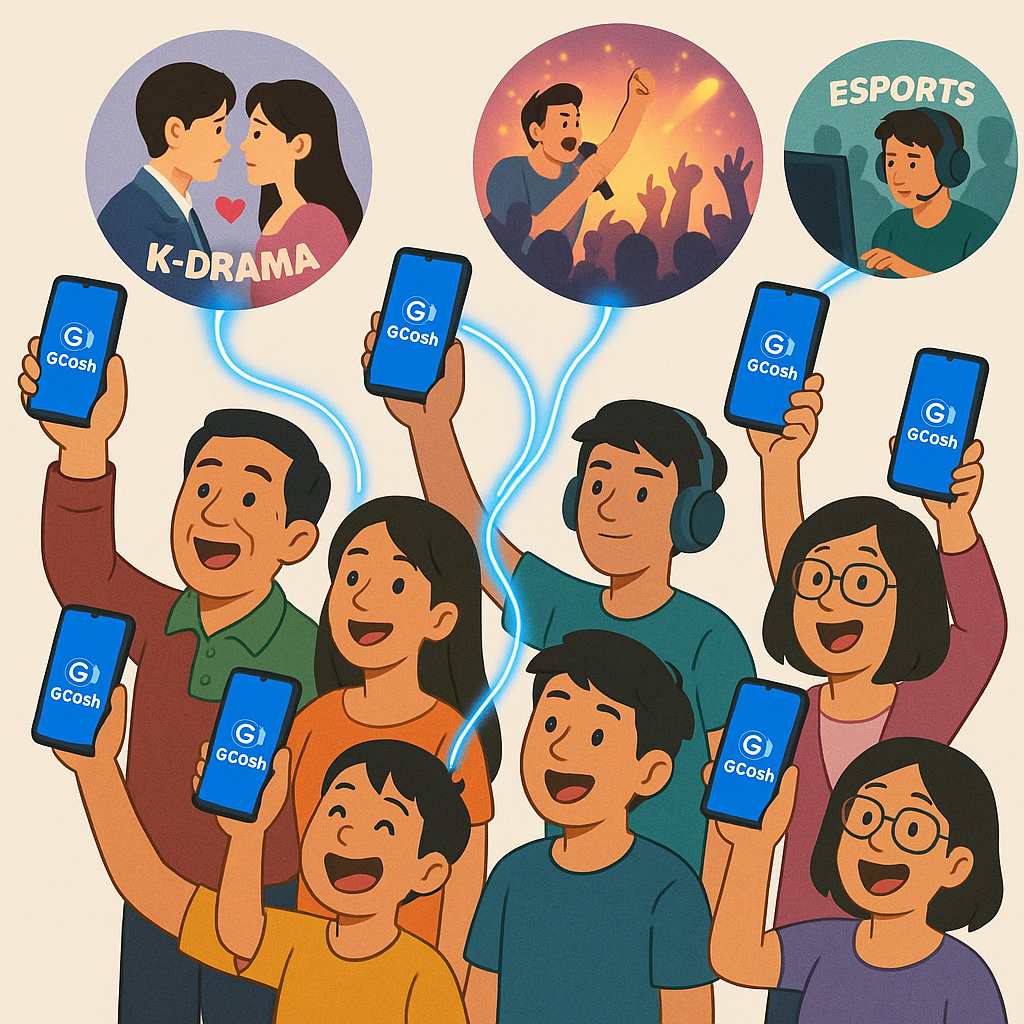
Tech analysts warn that this kind of data-driven entertainment shaping could create cultural bubbles in the Philippines, where citizens are algorithmically sorted into mutually unintelligible tribes: the Variety Show Loyalists, the Prestige Drama Over-Explainers, the Esports Shouters, and the “Just One More K-Drama” Insomniacs. Each faction logs into GCash, receives different entertainment offers, and slowly loses the ability to talk to anyone outside their recommendation cluster.
But to GCash and its partners, this is called “segment optimization.” If you’re a rom-com loyalist who uses the app to buy movie tickets at SM Cinema and top up for Spotify Premium, don’t worry — you will never again be bothered by an offer for a boxing PPV or a war documentary. The system has determined that you cannot emotionally handle it, and more importantly, that you will spend more on soft heartbreak.
The real punchline is that Filipinos, already accustomed to oversharing on social media, seem largely unfazed. Commenters under the Yugatech feature mostly asked, “May voucher ba dito?” and “Pwede ba i-convert yung data insights into GCash points?” The national response to industrial-grade surveillance capitalism is functionally: Okay lang, basta may cashback.
In the end, “How GCash Data Insights Shape PH Entertainment Consumption” isn’t just a description of a marketing pipeline. It’s an accidental diagnosis: a country where an e-wallet can more accurately predict your next binge than you can, and then politely monetize your indecision. As one exhausted user allegedly sighed while renewing yet another subscription through the app:
“If GCash already knows I’m going to watch the whole season in one night, they should at least send water and a reminder to log off.”
Don’t worry. That’s probably in the next product roadmap. Right after they finish figuring out which notification tone makes you statistically 12% more likely to rent a movie about people whose lives are not controlled by an app.