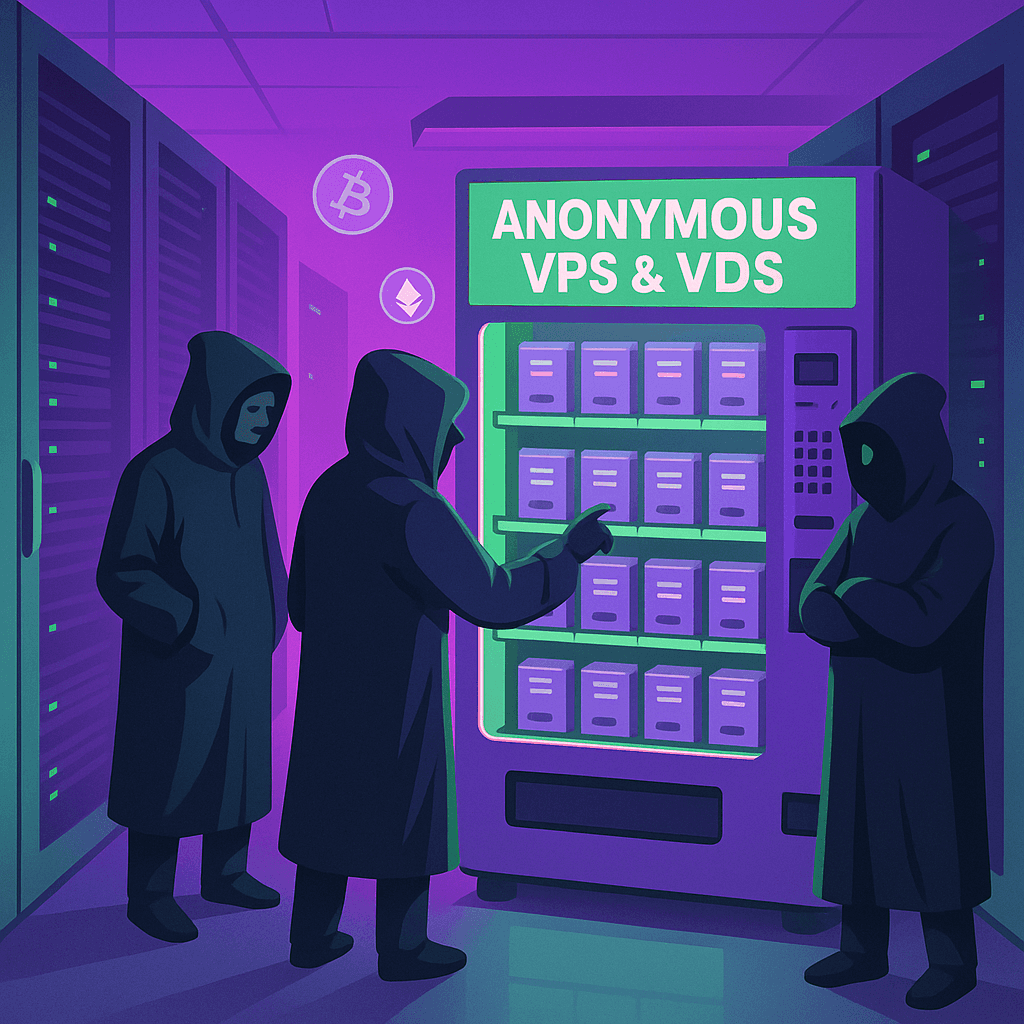
Some startups disrupt industries. Others disrupt sleep. Hiddence.net, a newly hyped provider of “Premium Anonymous VPS & VDS Hosting,” has opted to disrupt law enforcement’s blood pressure, rolling out an infrastructure product that sounds less like cloud computing and more like witness protection for Python scripts (OpenPR, Feb 2026).
The pitch is simple: you give Hiddence.net money, Hiddence.net gives you a virtual private server (VPS) or virtual dedicated server (VDS), and absolutely no questions are asked. Not where you’re from. Not what you’re running. Not why your traffic graph looks like a DDoS wave pool. The company loudly advertises “anonymous hosting” as a feature, which is sort of like bragging that your new bank specializes in unmarked duffel bags and forgetfulness.
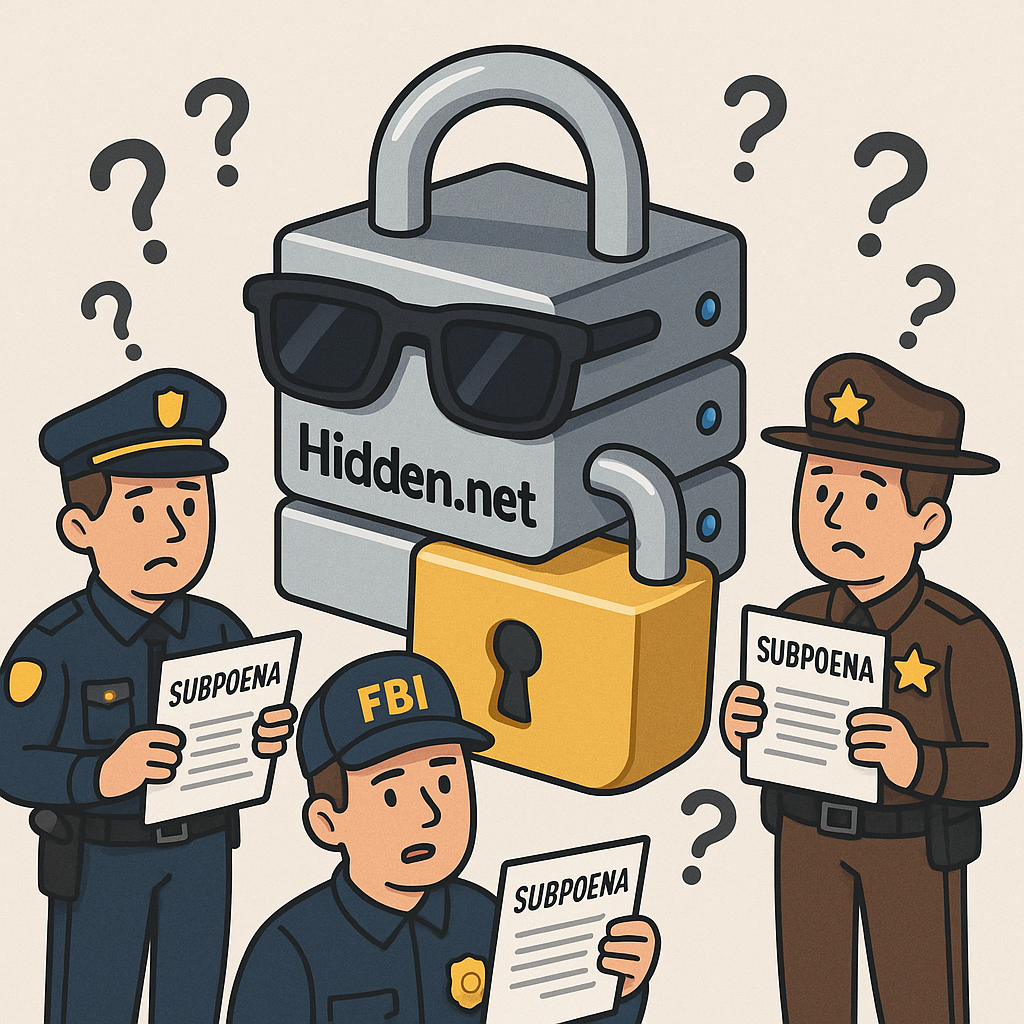
On its website, Hiddence.net promises “complete privacy,” “no intrusive KYC,” and “crypto-friendly payments,” a trifecta of phrases that, when combined, cause compliance officers worldwide to experience a brief yet powerful out-of-body event. The OpenPR announcement frames this as a bold stand for digital freedom, stressing that users can pay in cryptocurrency and avoid traditional identification hurdles. They do not, notably, stress that this is also the exact onboarding script for half of Telegram’s sketchiest group chats.
To be fair, the desire for privacy online is not new, and not inherently sinister. Journalists, activists, dissidents, whistleblowers, and that one person still seeding obscure Linux ISOs all need infrastructure that doesn’t immediately fold when a random official sends a sternly worded email. But the way Hiddence.net markets itself feels like someone fed a ransomware operator’s vision board into ChatGPT and then printed the result on a landing page background that screams, “We definitely accept Monero, we’re just not saying it out loud.”
“We provide premium, anonymous hosting for clients around the world,” the company’s materials declare, next to a stock photo of what appears to be a man in a hoodie staring at cascading green code — the universal symbol for: this site was designed by someone who still thinks hackerman.jpg is edgy. An unnamed spokesperson, presumably generated at the same time as the website, is quoted as saying, “Our mission is to empower users to operate without surveillance or interference.” It’s a noble goal. It is also, coincidentally, what every botnet herder writes in their diary.
In security circles, Hiddence.net’s pitch is being met with the sort of resigned shrug usually reserved for news that yet another major company has decided to build its own AI chip. “The infrastructure for cybercrime has been ‘premium and anonymous’ for years,” one researcher noted in a private Discord. “All this does is add marketing copy and a logo.” They compared it to offshore casinos: technically legal in some jurisdiction no one can point to on a map, operating in a gray zone where the terms of service say “no bad things allowed,” and the business model says, “We will not be checking for bad things.”

Hiddence.net, of course, insists that it has an abuse process. According to the OpenPR blurb, the company “responds to valid reports” and “does not tolerate illegal activity.” That phrase — “valid reports” — does a lot of heavy lifting. In practice, this usually means something like:
- Step 1: Security researcher emails abuse@hiddence.net.
- Step 2: Auto-responder: “We take abuse reports very seriously.”
- Step 3: Silence.
- Step 4: Ransomware note shows up on a hospital intranet.
Industry veterans are already playing “Threat Actor Bingo” with the Hiddence.net feature list. Anonymous sign-up? Check. Crypto payments? Check. No KYC? Check. VPS and VDS options “optimized” for high bandwidth? That’s not a hosting plan, that’s a phishing kit starter pack. The only surprise is that the site doesn’t explicitly offer “24/7 support for your command-and-control infrastructure” or a loyalty card that gives you a free C2 server after your tenth incident response.
The timing is impeccable. As regulators in the EU, US, and elsewhere debate stricter rules on data retention, end-to-end encryption, and platform liability, companies like Hiddence.net are effectively monetizing the regulatory arbitrage. Big cloud platforms — the AWSes, Azures, and Googles of the world — are slowly being bullied into hiring compliance teams whose sole job is to say “no” to customers in increasingly detailed and legally vetted ways. Meanwhile, Hiddence.net’s compliance policy appears to be, “We comply with not knowing anything about you, ever.”
Somewhere in a shared Slack, a well-funded VC firm is almost certainly debating whether to invest. After all, the OpenPR release leans hard into “freedom tech” aesthetics: privacy, censorship-resistance, global reach. Add a few slides about “decentralized infrastructure sovereignty” and you’re halfway to a Series A. Sure, some of the customers might be running dodgy Tijuana pharmacies selling unapproved drugs online (Times of San Diego, Feb 2026) or shady stores pushing counterfeit meds — but in the pitch deck those become “emerging-market e-commerce platforms” with “frictionless onboarding.”
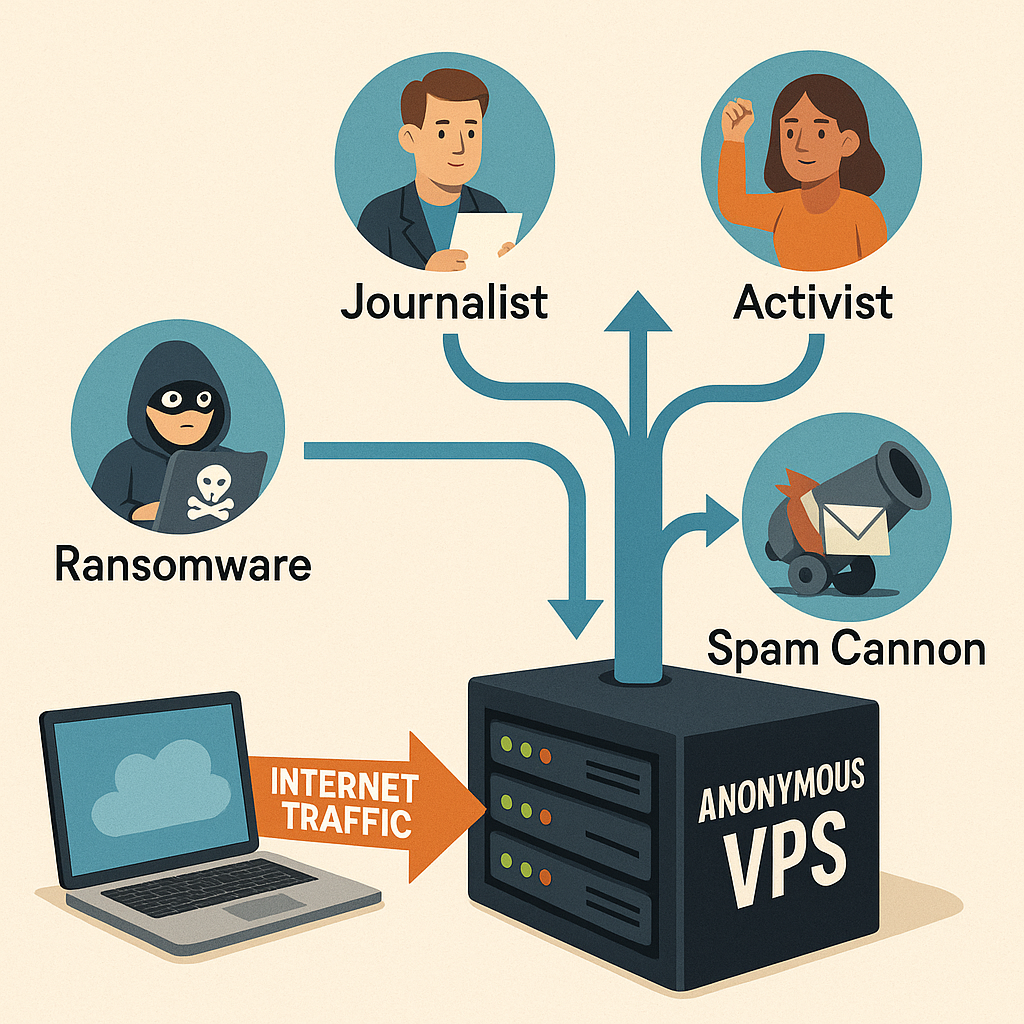
The real losers here, as usual, are the under-funded security teams who will now spend the next three years tracing attacks back to IP ranges clearly labeled “HIDDENCE-NET-PRIVACY-CLUSTER-03.” Infrastructure like this doesn’t create cybercrime, but it does wrap it in glossy UX and a helpful FAQ. When your ransomware note brags about “military-grade encryption,” odds are good the backend is running on a hastily provisioned “anonymous VDS” next to a Minecraft server and a very confused personal blog.
Still, there’s an undeniable market. People legitimately need safer, more private hosting options — especially in countries where “posting the wrong meme” can earn you a visit from someone in uniform. The question is whether Hiddence.net is building digital sanctuary or digital plausible deniability. One shelters the vulnerable; the other lets you say, “We had no idea our customer was exfiltrating terabytes from a Swiss bank and streaming cricket World Cup knockoffs to half of South Africa.”
Until regulators decide what to do with this new wave of anonymity-first infrastructure, the internet will continue its slow drift into feudalism: giant regulated cloud kingdoms on one side, and scattered privacy citadels like Hiddence.net on the other, selling server space to everyone who’s too principled, too paranoid, or too problematic for the big guys. The rest of us will be stuck in the middle, hoping that the next email from “IT Support” isn’t actually coming from a “premium anonymous VPS” whose sole oversight mechanism is a support bot trained on Reddit.
Hiddence.net’s slogan might as well be: “What happens on our servers, stays on our servers. Mostly because we made sure no one can see inside.” Somewhere, a CISO just woke up in a cold sweat and doesn’t yet know why.