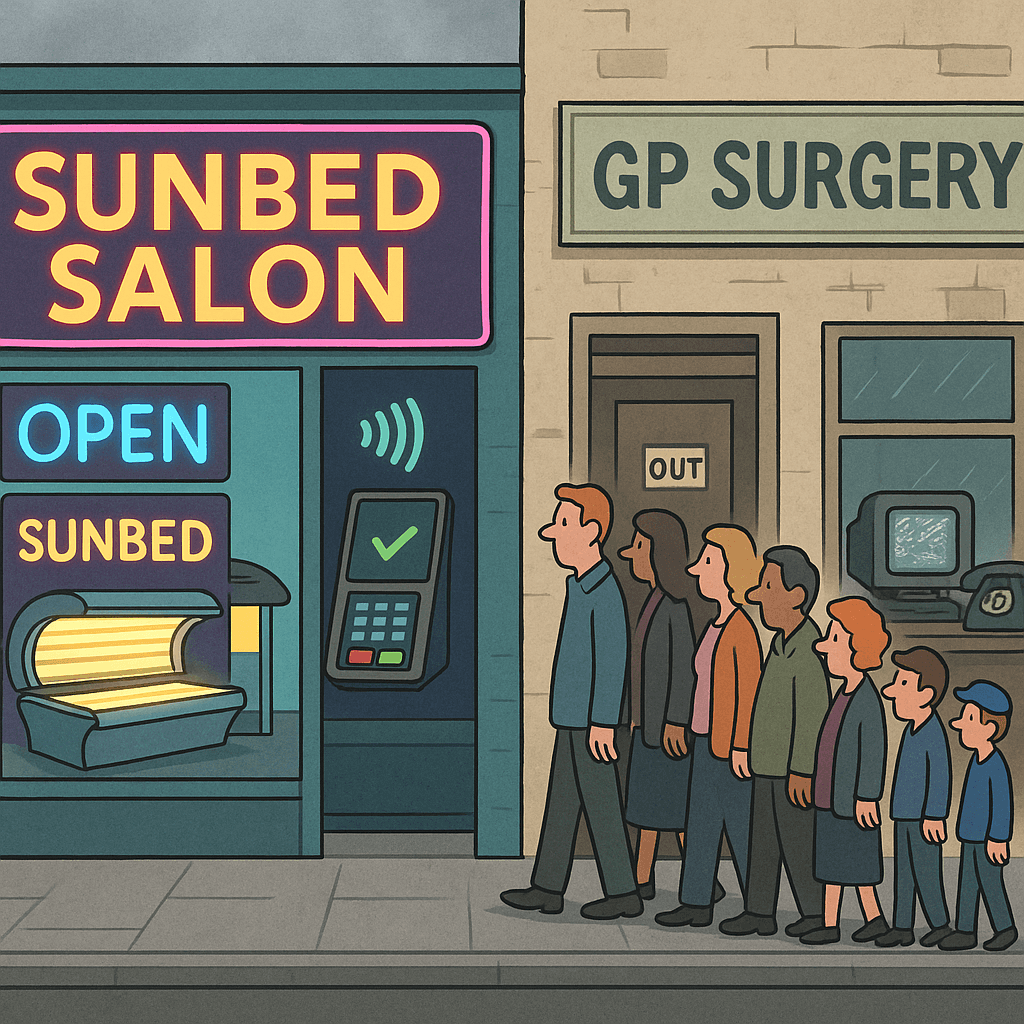
In a country where you need three weeks’ annual leave just to navigate the NHS phone queue, the nation has apparently decided the best way to support dwindling GP numbers is to personally increase dermatology demand via industrial-strength sunbeds.
The recent wave of “Fact check: GP numbers and the dangers of sunbeds” pieces, splashed across outlets from the East Anglian Daily Times to the Darlington & Stockton Times, was meant to clarify the reality of general practitioner shortages and the risks of overcooking your own epidermis. Instead, it has mostly confirmed a darker truth: Britain will fact-check literally anything except why people still have to call at 8:00 a.m. sharp to see a doctor like they’re trying to buy Taylor Swift tickets.
The original fact-check, syndicated through titles including the Somerset County Gazette, Ham & High in Hampstead, and the St Helens Star (Feb 2026), calmly walks through statistics on GP numbers and the carcinogenic joys of tanning beds. But what it politely dodges is the awkward, glowing elephant in the room: our health system is collapsing while a parallel industry sells you the chance to pre-roast yourself before you can even get a mole checked in 18 months’ time.
Welcome to Britain 2026, where health tech innovation means you can use an app to pay for a melanoma speedrun, but still have to ring reception for an appointment like it’s 1987.
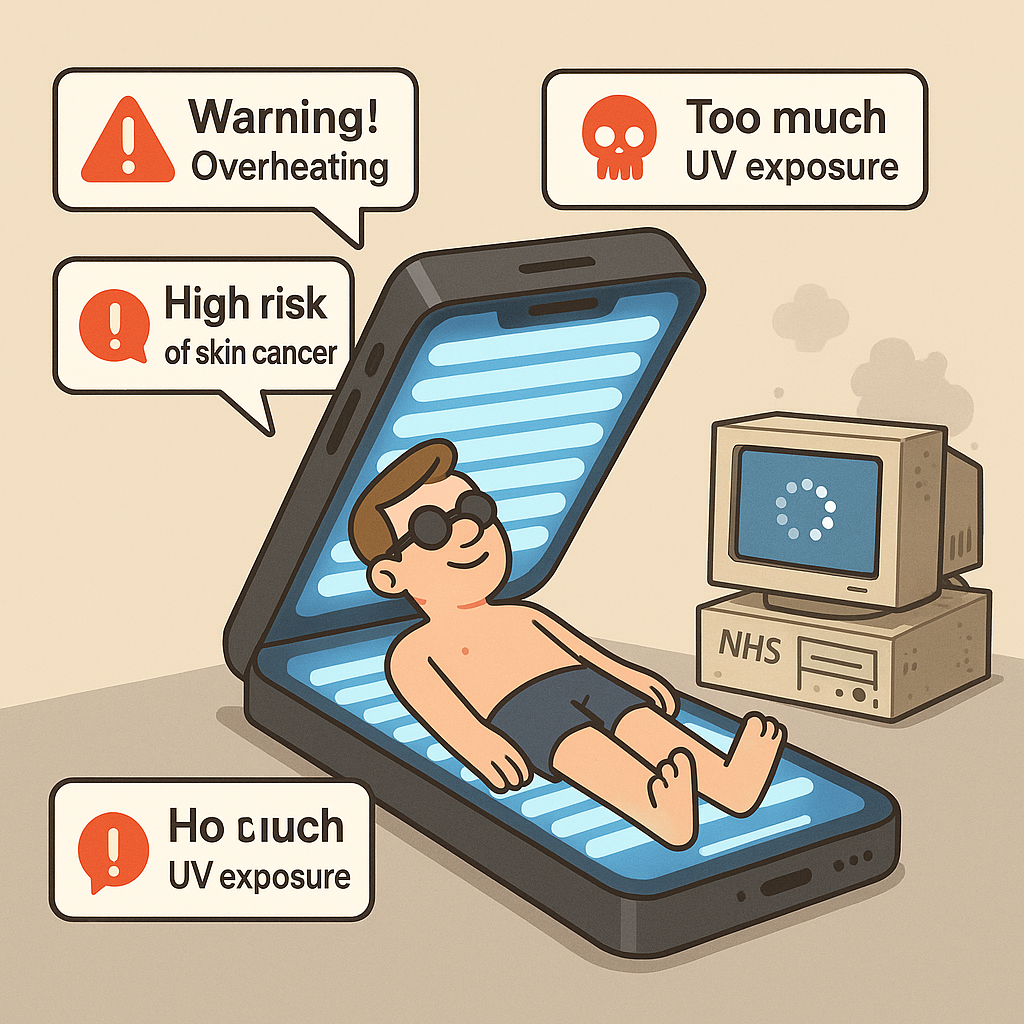
Health officials quoted across the coverage stress that sunbed UV is classified as a Group 1 carcinogen, the same category as asbestos and tobacco. The modern citizen’s response: “Sure, but does asbestos give me a base tan before Alicante?”
In theory, this is where tech should step in as a rational adult. We already have wearable heart monitors, sleep trackers, and a watch that will call an ambulance the moment you trip over your own optimism. So where is the intelligent system that locks your tanning salon door if your GP practice is already overbooked until 2027?
Instead, the ecosystem looks like this:
- NHS IT: Windows 7 in a trench coat, asking you to fax something.
- Sunbed Salons: Contactless, app booking, loyalty points, TikTok filters over your incipient sun damage.
- GP Practices: A single receptionist named Sandra performing load balancing for 12,000 registered patients using only a landline and rage.
Fact-checking GP numbers, as done in the East Anglian Daily Times piece, has become a sort of national coping ritual: we print precise statistics about staffing declines, nod gravely, then immediately offset that anxiety by buying a salon subscription that turns our skin into a limited-time offer.
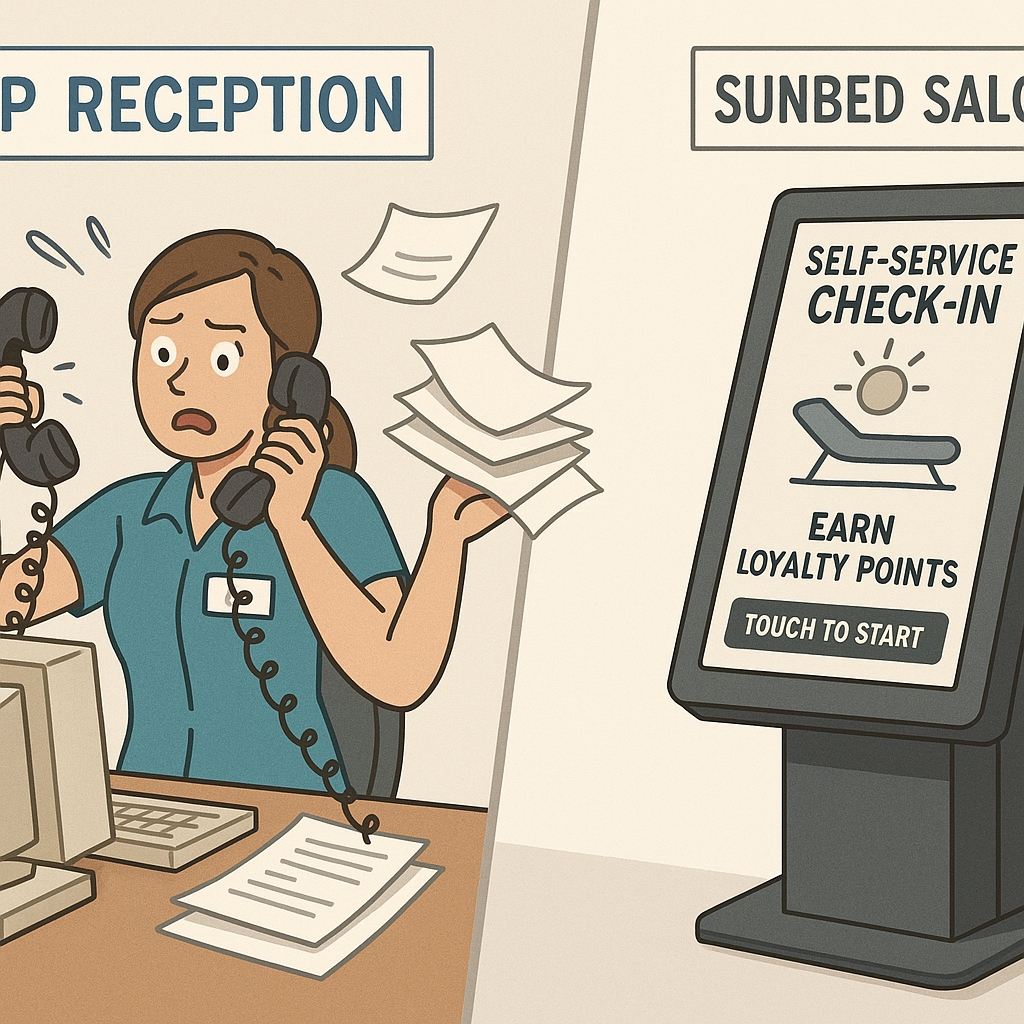
The articles syndicated through the St Helens Star and the Somerset County Gazette highlight the increased cancer risk from sunbeds and gently suggest moderation. The tech industry read this and heard a business opportunity: “So you’re saying people will pay monthly for something that definitely harms them and increases strain on a public system? Got it. We’ll call it a platform.”
We are now on the brink of the obvious next step: fully gamified, AI-driven tanning. Imagine an app—let’s call it GlowGPT—that uses computer vision to scan your skin, then tells you exactly how many more sessions you can survive before you legally become a warning poster in a GP surgery waiting room. It syncs with your local practice stats: if the Darlington & Stockton Times area is down three GPs, your app automatically greys out the “extra 10 minutes” button. It’s public health, but with microtransactions.
The NHS, of course, will get its own digital tool in response. There will be a £48 million contract awarded to a consultancy to develop the National Integrated Melanoma Mitigation Optimisation System—a web portal that does nothing except tell you to “contact your GP if you are concerned,” then crashes.
Meanwhile, local outlets like the Hampstead-based Ham & High will keep running fact-checks about GP numbers and sunbed risks, because the one thing Britain still has in abundance is carefully formatted explanations of the crisis. Accessible, well-structured, diligently reported information about why everything is on fire has become our premier export.
But information without infrastructure is just content. And content, as we’ve learned, is simply the lobby music you listen to while the system fails to connect you to an actual doctor.
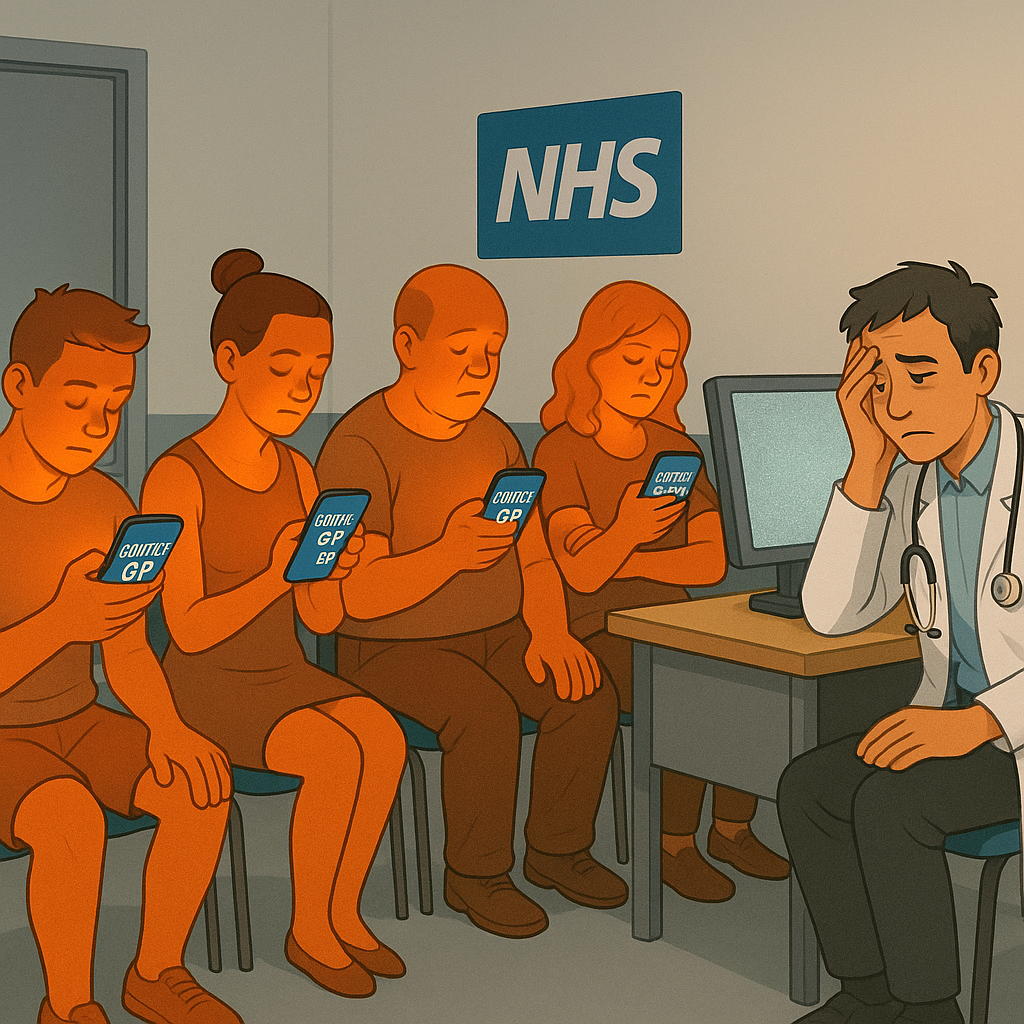
The real dystopian detail hiding in these fact checks is how utterly normalised the situation has become. We accept a world where:
- A GP in East Anglia is responsible for more patients than a mid-tier Twitch streamer has subscribers.
- Dermatology referrals in St Helens move slower than a Royal Mail second-class letter in a hurricane.
- Tanning salons in Darlington offer “unlimited minutes” like cancer risk is a mobile data plan.
Tech, allegedly the great optimiser, has optimised everything except the obvious. Booking a sunbed in Somerset now takes nine seconds and three taps. Booking a GP, as reported across these local papers, takes hope, prayer, and the stamina of a crypto trader refreshing a crashing chart.
What we’re left with is a very British cyberpunk: no neon skyscrapers, no flying cars, just radiantly over-tanned people in Hampstead queuing outside an under-staffed practice, clutching their phones running a symptom checker app that concludes, as always, “It might be nothing. It might be cancer. Contact your GP.”
And somewhere, in a government office with excellent air conditioning and poor search history hygiene, someone is commissioning another “digital transformation taskforce” while reading the latest “Fact check: GP numbers and the dangers of sunbeds” brief.
They’ll add it to the pile.