Nigeria’s Securities and Exchange Commission (SEC) has launched a shiny new platform to “bridge regulatory gaps” in the country’s FinTech sector, bravely stepping forward to finally digitize the confusion. The initiative, reported by Blueprint Newspapers in March 2026, promises to connect startups, investors, and regulators in one streamlined portal where everyone can misunderstand each other at scale.
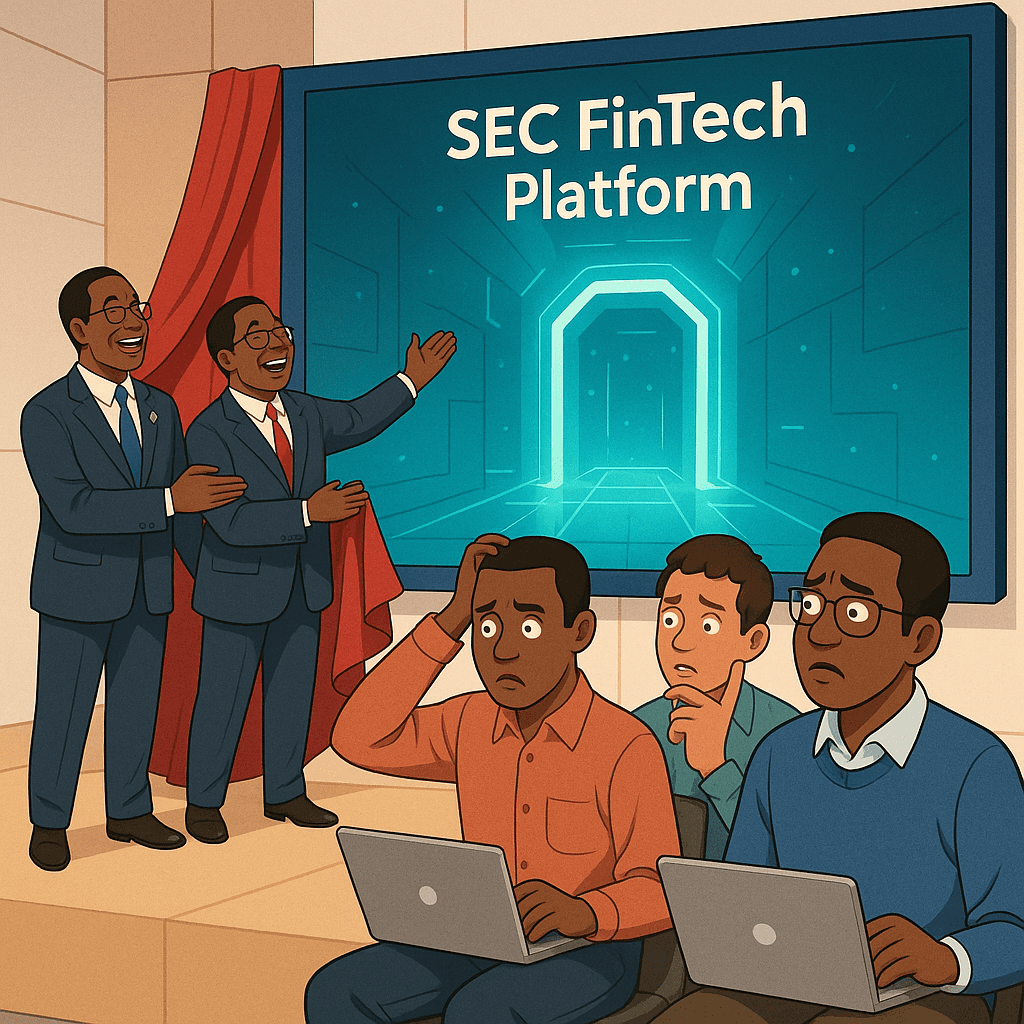
The platform, unveiled in Abuja by SEC officials who definitely know what an API is (they said it three times), is pitched as a one-stop shop for Nigeria’s growing FinTech ecosystem. Instead of wandering between the SEC, the Central Bank of Nigeria (CBN), the Corporate Affairs Commission, and a cousin who “knows somebody in compliance,” founders can now log in, upload their pitch deck, and be simultaneously overregulated and underprotected in the cloud.
“This platform will bridge the regulatory gaps in Nigeria’s FinTech sector,” an SEC spokesperson said, reading from a PowerPoint slide titled VISION 2030: PLATFORMIFYING REGULATION. “Previously, startups complained that they did not know which rules applied. Now, they will be confused, but with a dashboard.”
FinTech founders in Lagos’ Yaba startup cluster—also known as “Yabacon Valley” to people who own ring lights—responded with cautious optimism. Many had vivid memories of scrambling through contradictory circulars from the SEC, the CBN, and the National Information Technology Development Agency (NITDA) every time they tried to launch a new payment feature or, worse, mention the word “crypto” in public.
“Before, if you built a lending app, the SEC said you were a security, the CBN said you were a bank, and your investors said you were disruptive until the first court summons arrived,” said Femi, a fictional but emotionally accurate founder of a digital wallet startup in Victoria Island. “Now, we just open the portal and get three conflicting notifications in one place. That’s… progress?”
The new SEC platform—whose name had not been finalized at press time, but internal slides referred to it as RegTech Interactive Compliance Hub Experience (RICHE)—will allow FinTech firms to:
- Submit licensing applications electronically instead of carrying plastic-covered files to three different ministries.
- Ask “clarifying questions” and receive politely vague answers in a secure message center.
- Download PDFs of existing regulations, proposed regulations, and regulations that may or may not apply to them but were uploaded “for awareness.”
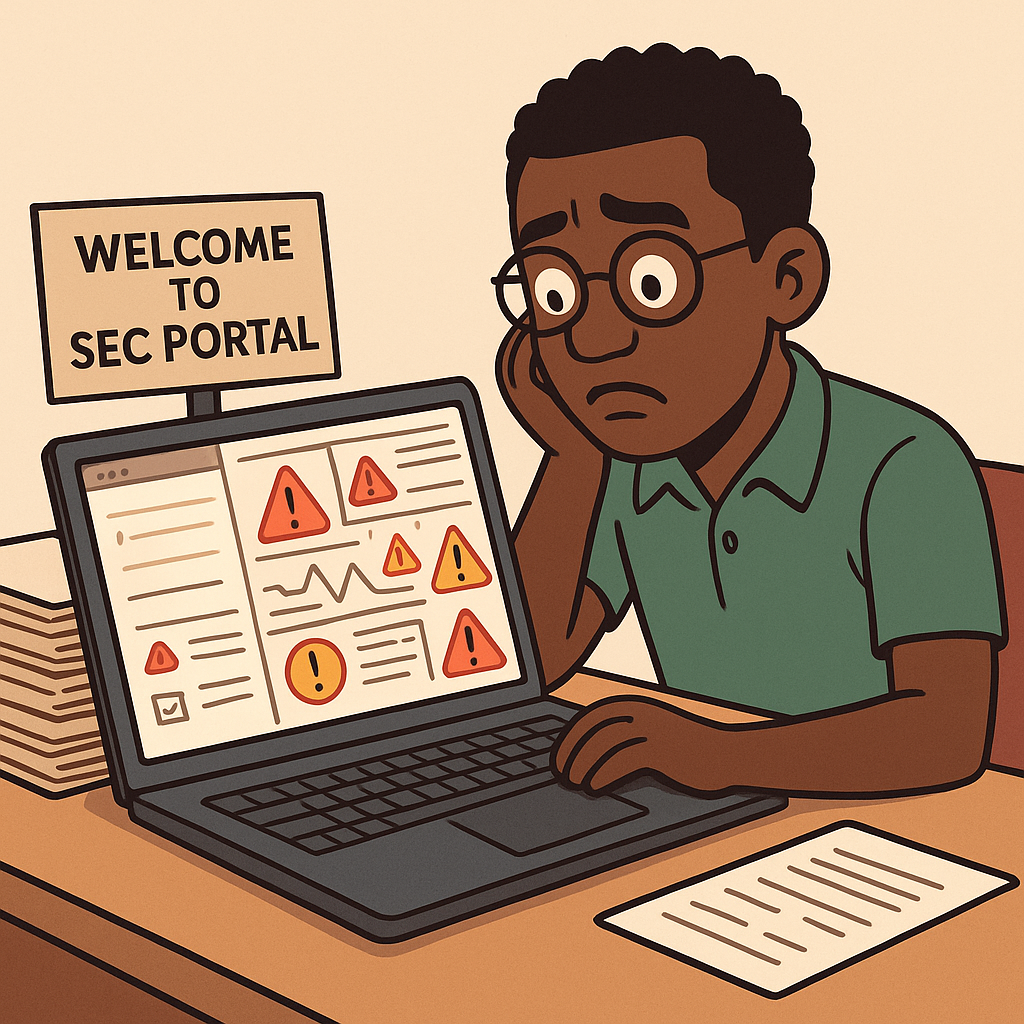
- Track the status of their inquiries as they move from “Received” to “Under Review” to “Please Refer to Another Agency.”
According to Blueprint Newspapers (March 2026), the SEC insists the platform is about collaboration, not surveillance, which is exactly what people say right before implementing single sign-on with bank account metadata.
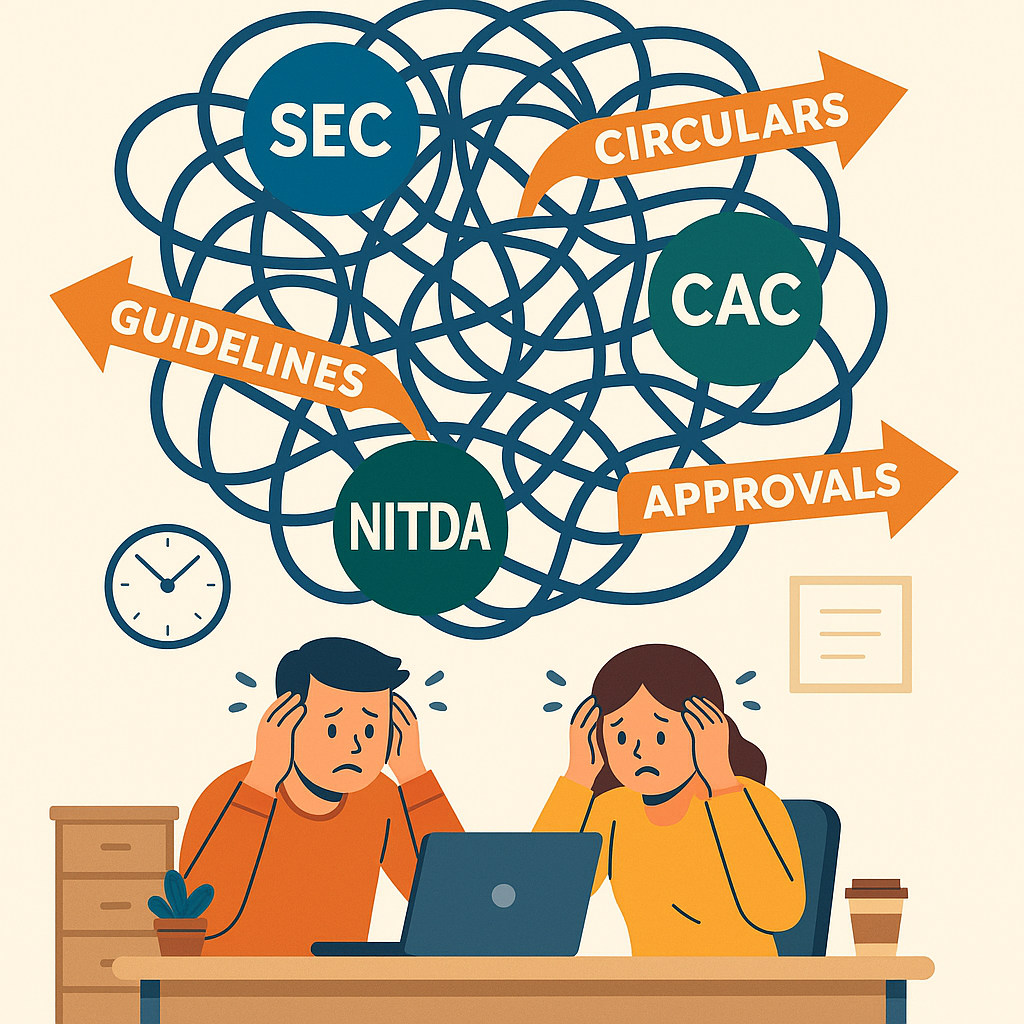
“The Nigerian capital market must not be left behind in the digital transformation,” an SEC commissioner said. “With this platform, we are telling innovators: we see you, we hear you, and we would like you to attach your CAC registration, three years of audited accounts, a physical office address, and your mother’s maiden BVN.”
The Central Bank of Nigeria, which famously rattled the crypto sector in 2021 by effectively choking off bank access for virtual currency businesses, publicly welcomed the move in a brief, carefully non-committal statement. The CBN noted that it “supports any serious effort to harmonize regulatory oversight,” which in local FinTech dialect translates to: We’ll wait until it’s popular, then issue a circular.
Investors, meanwhile, are split. Some venture capital firms in Lagos and London hailed the SEC’s new tool as a sign that Nigerian regulators are finally “embracing RegTech.” Others quietly updated their risk memos to include a new line under “Regulatory Environment”: Now digitized and always online.
“From a capital markets perspective, this is a net positive,” said one VC partner, who requested anonymity because he’s raising a new fund and can’t be seen mocking regulators yet. “It shows the SEC is taking FinTech seriously. The only concern is that when you build a portal, you’re also building a bigger doorway for enforcement. But you know, price of innovation and all that.”
The platform’s design team, drawn from a mix of local consultants and at least one guy who did a UI course on YouTube, reportedly benchmarked systems used by regulators in the UK, Singapore, and the UAE. Unfortunately, those countries also benchmarked against each other, creating a kind of global UX ouroboros in which every compliance portal looks like a 2013 airline booking site with a chatbot.
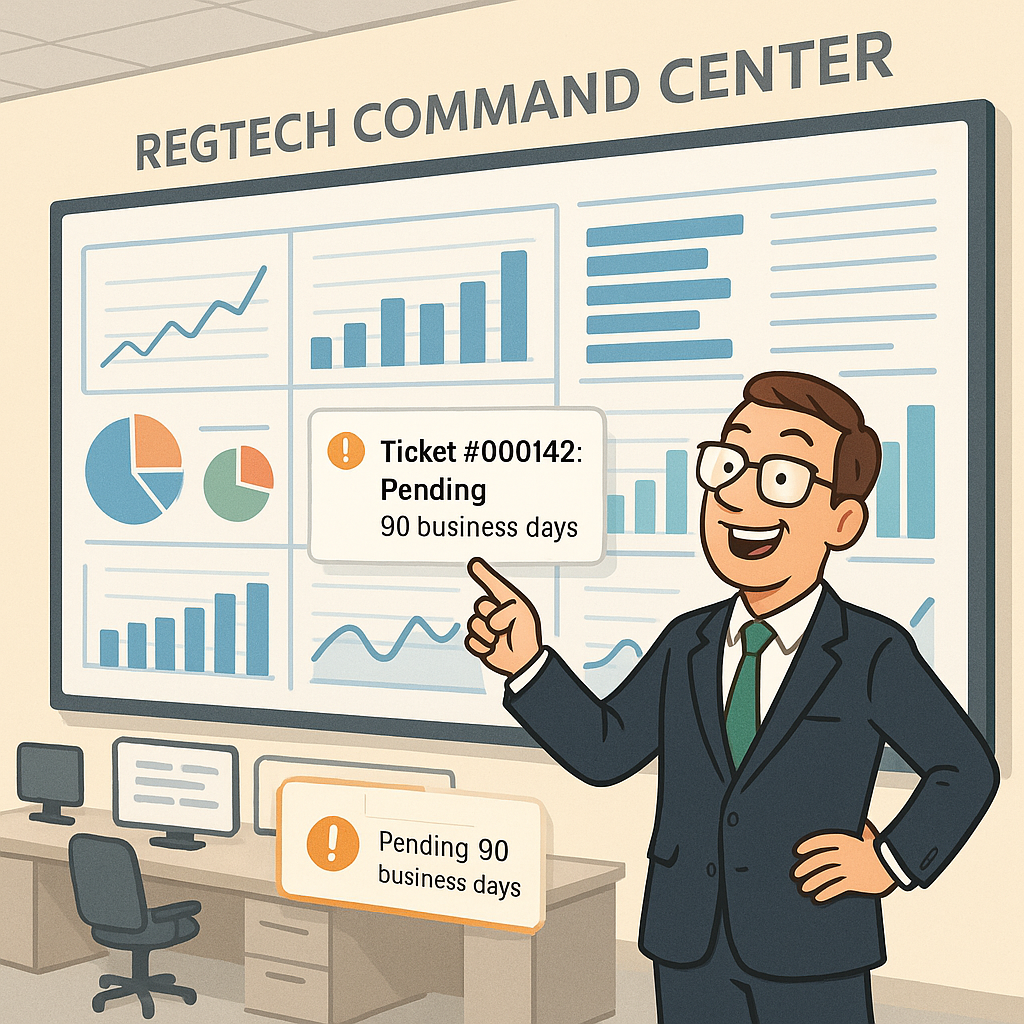
To make the platform “accessible,” SEC engineers added a live chat function where FinTech founders can ask nuanced questions such as, “Is my app a security if it only yields 39% APY?” and receive automated responses like, “Thank you for your inquiry. Your ticket number is #000142. Response time: 15–90 business days.”
“We took the existing bureaucracy,” said one project consultant, “and moved it to the cloud. That’s digital transformation.”
For Nigeria’s fast-growing payments and lending players, the stakes are high. Lagos-based giants like Flutterwave and Paystack, as well as a wave of newer digital lenders that send you three push notifications before breakfast, have long complained of regulatory overlap. Each new product could theoretically fall under the SEC, CBN, the National Insurance Commission (NAICOM), or a random state tax board that just discovered mobile apps exist.
The SEC promises that with its new platform, inter-agency conflict will be replaced by “coordination,” a word that historically means “we’ll all CC each other before saying no.” Still, some sector insiders are cautiously hopeful that the portal could at least force Abuja’s alphabet-soup institutions to argue in the same comment thread instead of issuing dueling circulars in different fonts.
To win over skeptical founders, officials say future versions of the platform will integrate with sandbox programs and even allow experimental products to be tested under lighter-touch rules. Early mockups include a toggle labelled “ARE YOU DOING CRYPTO?” which, when switched to “YES,” instantly replaces the interface with a single message: “Please contact the Central Bank of Nigeria.”
But the feature that truly signals the SEC has entered its tech era is analytics. Regulators will be able to view dashboards showing how many startups are applying, which sectors they target, and how long it takes for each to give up and pivot to HR software. Industry analysts warn this could create an unhealthy KPI culture inside the Commission, where success is measured in “number of compliance advisories issued” instead of things like “consumer protection” or “not scaring all the talent to Dubai.”
By the end of the launch event, one thing was clear: the Nigerian SEC has discovered platforms, and it is not going back. There was already quiet talk of expanding the system to cover crowdfunding, robo-advisory, and any future innovation involving the words “AI,” “blockchain,” or “tokenized.” A leaked internal roadmap even mentioned a potential “metaverse branch office,” though staff reportedly struck that out after remembering Meta’s stock chart.
For now, Nigeria’s FinTech ecosystem will log in, reset its password three times, and attempt to navigate yet another portal promising to finally fix the rules of the game. Whether the SEC’s new platform truly bridges regulatory gaps—or simply paves them with better UX—remains to be seen. But in a country where founders are used to pitching investors on Zoom while explaining compliance to three agencies over email, the bar for improvement is low.
At least this time, the confusion will come with a progress bar.