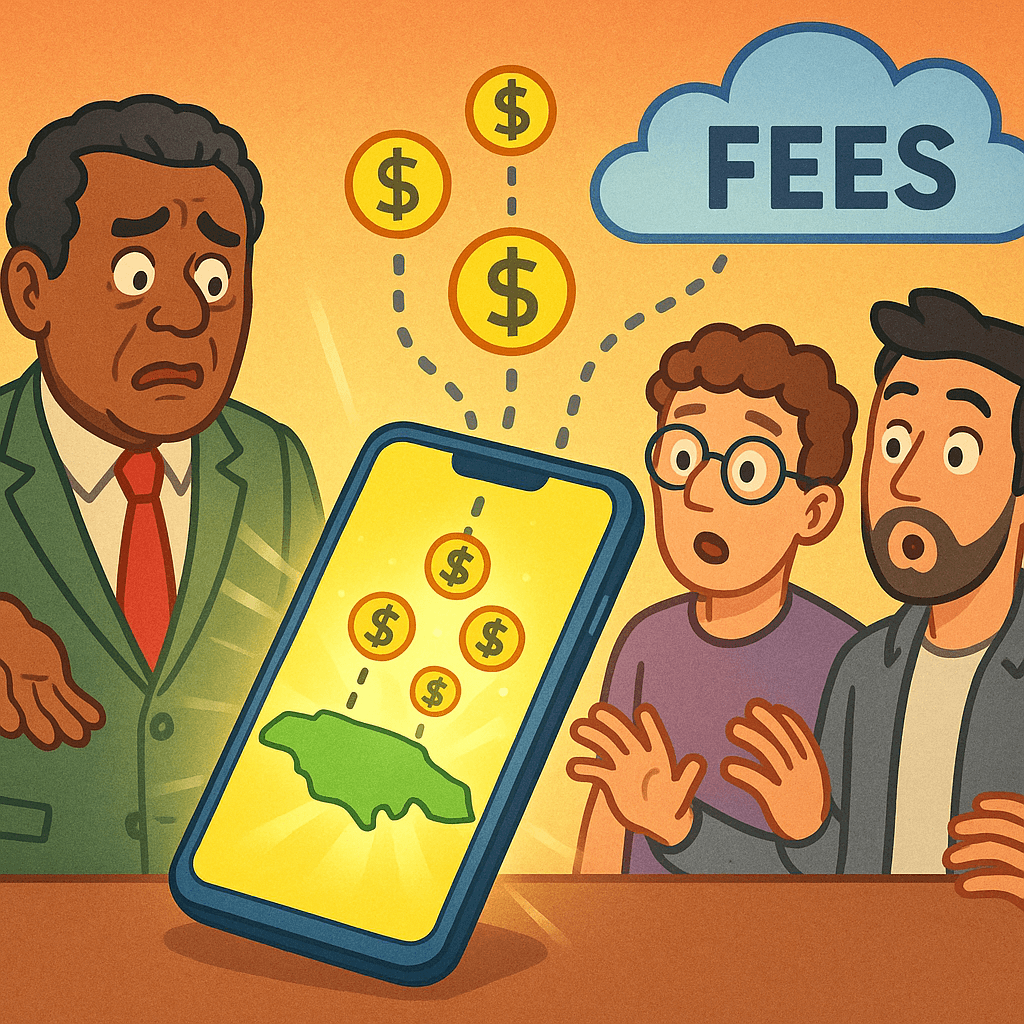
The Jamaica Observer posed a timeless question this week — “Where is the money?” (Jamaica Observer, Mar 15, 2026). Economists blamed global headwinds. Politicians blamed each other. The tech industry, naturally, blamed your failure to download their latest digital wallet and tap on three sponsored tutorials about “unlocking your earning potential with AI side hustles.”
In Kingston, a fictional joint task force — the Ministry of Finance, the Bank of Jamaica, and three confused interns from a “Web3 accelerator” — reportedly convened a crisis meeting to investigate the nation’s vanishing cash. After six hours, the only consensus reached was that no one actually understands how money moves anymore; it just sort of gets “processed in the cloud” and reappears several tax havens to the north, looking refreshed and tanned.
“We followed the trail as far as we could,” said an imaginary financial analyst contracted by the Jamaica Stock Exchange. “The JMD left a local credit union in St Andrew, passed through two payment gateways in Miami, bounced off a Revolut-like neobank in London, briefly became an Ethereum token, was staked in a farming protocol named ‘YahMon Yield,’ and then vanished into ‘fees.’ At this point, it’s legally considered folklore.”
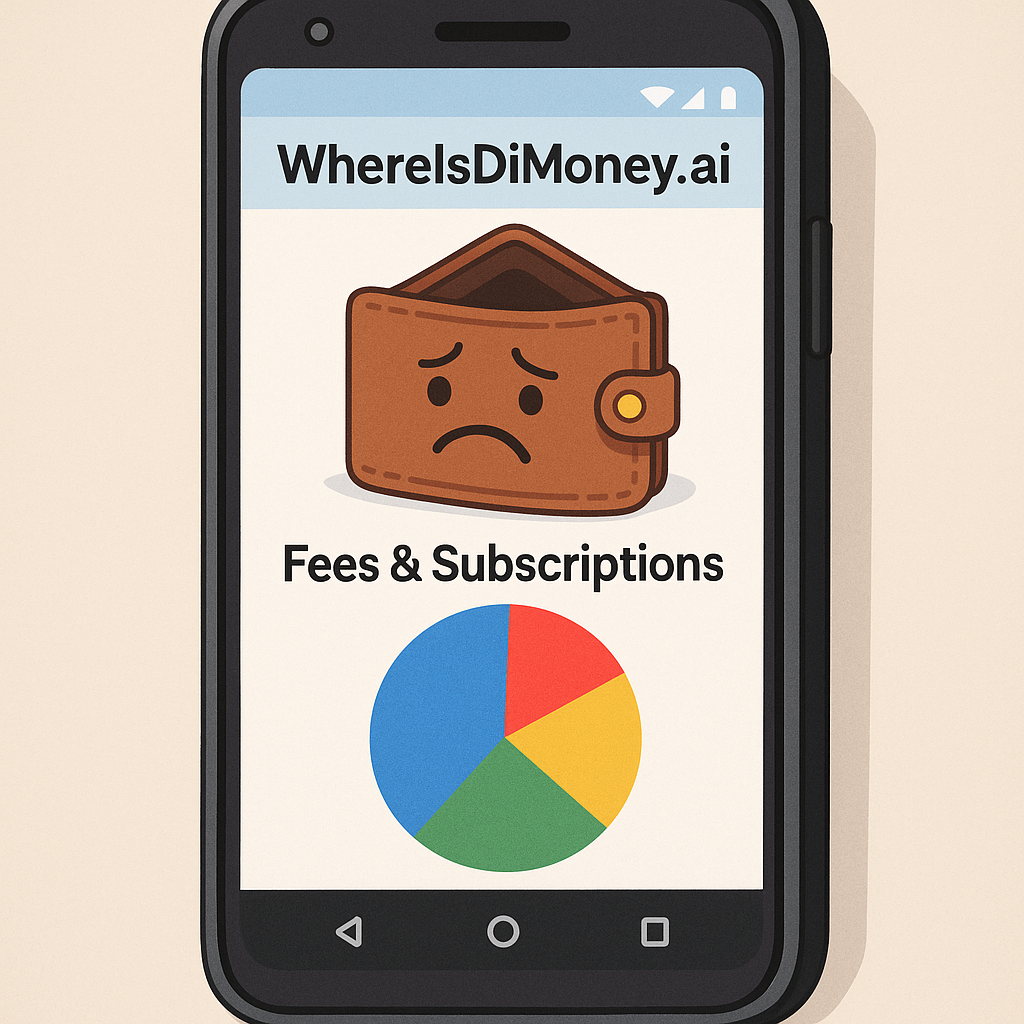
To address the quandary, a new app has been proposed: WhereIsDiMoney.ai, a generative-finance platform that promises to “visualize your economic anxiety in real time.” The prototype connects to your bank account, scans your spending history, and then produces a single, haunting dashboard:
- 35%: Subscription services you forgot to cancel
- 25%: “Convenience” fees on delivery apps
- 20%: Interest payments to banks that had their best quarter ever, somehow
- 10%: FX spreads and mysterious “international transaction adjustments”
- 10%: Vanishes into something called “liquidity,” which no one is emotionally ready to define
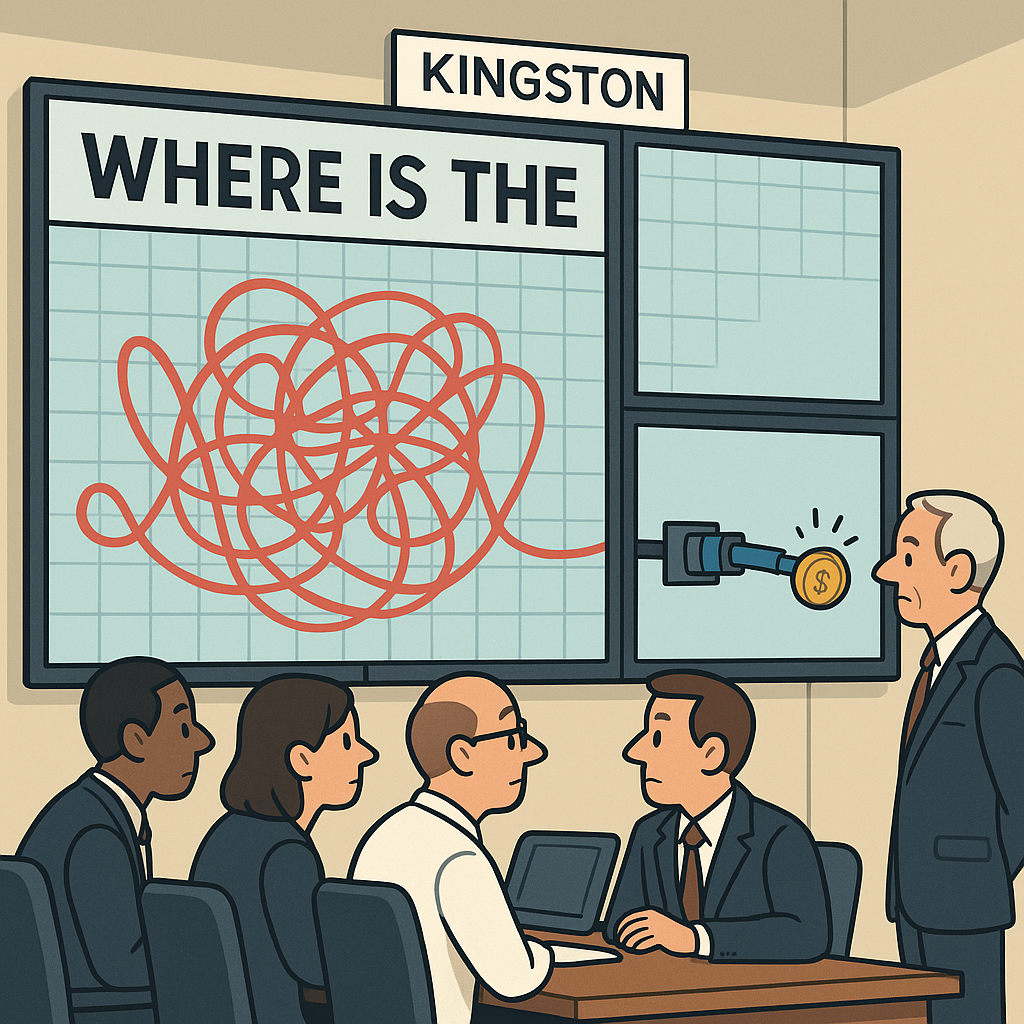
“The data is clear,” said a fictional spokesperson from the Bank of Jamaica, carefully adjusting a PowerPoint titled ‘Digital Transformation & The Art of Losing Money More Efficiently’. “There’s no missing money. There is only money that has been successfully optimized into somebody else’s balance sheet.”
International consultants have swooped in to help, offering what they call a “full-stack monetary visibility solution.” In practice, this means a 300-page PDF, three buzzword-heavy workshops in New Kingston, and a cloud dashboard that costs more per month than the average Jamaican actually sees in their account. The tool allegedly lets the Ministry of Finance “drill down” on the question of where the money is, though every chart somehow resolves into the same glowing red dot labelled “Not Here.”
Meanwhile, global Big Tech has begun circling like very well-funded seagulls. A consortium of American and Chinese fintech giants has proposed turning Jamaica into a “pilot cashless society.” Their pitch: within five years, every citizen would be equipped with a “smart wallet” that knows their preferences, tracks their spending, and delivers hyper-personalized ads for things they obviously cannot afford.
“Once you go fully digital, every cent is trackable,” said a visiting Silicon Valley founder. “Not by you, of course. But by us, regulators, and any advertiser willing to pay CPM.”
The Central Bank Digital Currency crowd has also entered the chat. After the pilot phase of Jamaica’s digital currency programme, tech evangelists claim a CBDC will help answer the Observer’s question definitively. Every digital Jamaican dollar will be visible on a public-private ledger, which citizens can access via a sleek mobile app that crashes every time there’s rain, a breeze, or Mercury in retrograde.
“With CBDC, we will know exactly where the money is,” said a policy advisor, “because we’ll have the option to expire it if you don’t spend it fast enough. Imagine the efficiency of watching your paycheck evaporate on schedule, instead of waiting for landlords and loan officers to do it the old-fashioned way.”
Traditional banks in Half Way Tree are reportedly nervous. For years, they monopolized the ancient art of “making your balance smaller and your statements harder to read.” Now, they must compete with startup fintechs that provide the same experience, but with pastel color palettes and a “spending insights” panel that informs you, very helpfully, that you are broke because you keep buying food and shelter.
In response, several major lenders are rolling out their own apps with features such as:
- Instant Loan Denial: Get rejected in milliseconds, with a celebratory confetti animation.
- AI Savings Coach: A chatbot that suggests “try earning more” in seven different tones of voice.
- Gamified Fees: Every overdraft triggers a loot box containing either a stern email, a penalty, or a colorful infographic about “financial literacy.”
Meanwhile, on the ground, Jamaicans are conducting their own independent research into where the money is. Taxi drivers in Kingston have concluded that the money is “in foreign.” Small business owners in Montego Bay believe it’s “in tourism, but not exactly here.” Farmers in St Elizabeth argue the money must be “in some meeting,” because that is where it always is when anything important is happening.
Yet, in every official statement and glossy tech presentation, one term keeps recurring: “financial inclusion.” The idea is that if you can see numbers on your phone, you are now economically empowered — regardless of whether the number is positive, negative, or just says “Error: Try Again Later.”
“Our mission is to include everyone in the financial system,” proclaimed another consultant during a televised panel. “Especially those who currently don’t have enough money to be worth exploiting individually. At scale, they’re very attractive.”
By the end of the week, the only clear beneficiaries of the mystery were global cloud providers, whose Jamaican clients are now uploading terabytes of “spending analytics” to servers in Virginia to answer a question first asked in a local newspaper column. The Jamaica Observer wondered where the money is; Amazon Web Services knows exactly where the data about the missing money is and invoices accordingly.
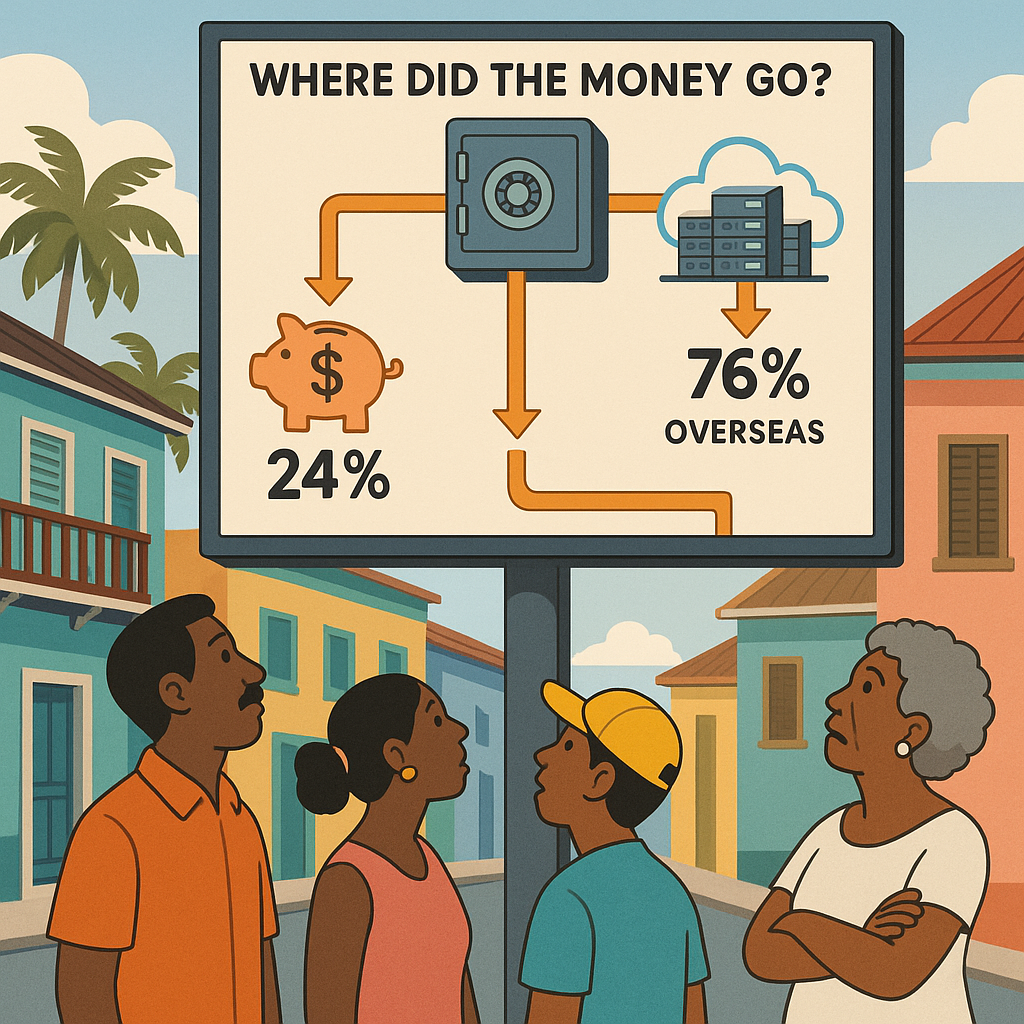
Still, officials insist the country is on the right track. The Ministry of Finance has promised a new public dashboard, built with the help of a multinational IT integrator, that will finally solve the riddle. Early demos show a beautiful, interactive map of Jamaica, pulsing with real-time economic indicators. When you hover over Kingston, a tooltip appears:
Where is the money?
• 3% in your account
• 12% at the supermarket
• 85% in a quarterly earnings call, somewhere far away
Scroll to accept cookies and continue being confused.
Asked whether everyday Jamaicans would actually be able to retrieve any of this missing wealth, a senior official paused, checked a notification on his phone from yet another budget-planning app, and sighed.
“Let’s be realistic,” he said. “We may never find the money. But with enough dashboards, AI, and cloud services, we’ll definitely be able to watch ourselves not having it — in 4K.”